
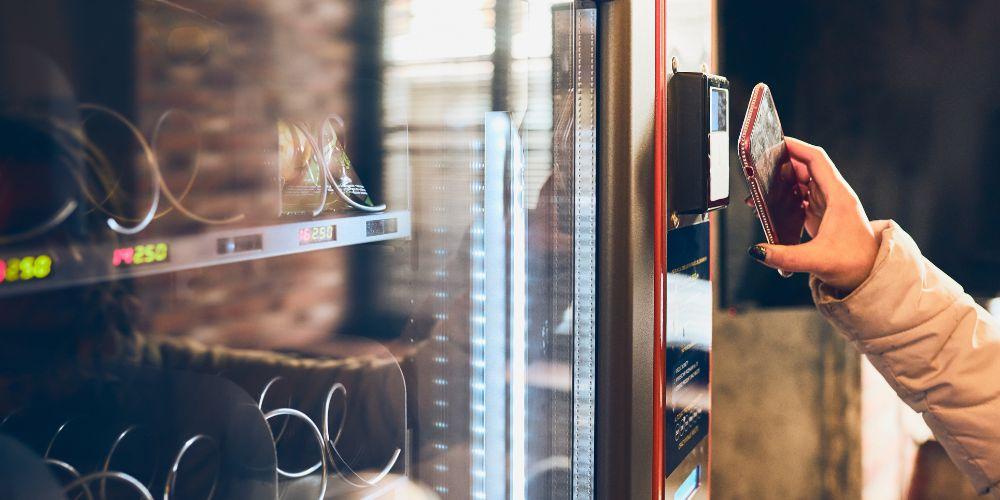
Vending machines have been a convenient way for people to grab snacks, drinks, and other essentials for decades. Traditionally, these machines relied on coins or bills, which worked well when cash was king. However, over the past few years, the way people pay for goods has changed drastically. Digital payments, contactless cards, and mobile wallets are now a normal part of daily life. For vending machine operators, keeping up with this shift is essential. Machines that only accept cash may be losing potential customers who prefer a faster, safer, and more convenient payment method.
The shift toward cashless payments isn’t just a trend—it’s a long-term change in consumer behavior. Many people no longer carry coins or bills and rely on debit cards, credit cards, or mobile payments to complete everyday purchases. In busy environments like offices, gyms, schools, and public transit stations, cashless payments are especially important. By upgrading a vending machine to accept card payments, operators can cater to more customers, increase sales, and improve the overall user experience. This upgrade is more than just adding convenience; it’s about future-proofing your business in a world that is increasingly digital.
Why Card Readers Matter for Vending Machines
Integrating a card reader into a vending machine opens up multiple advantages. First, it aligns your machine with modern consumer habits. People are more likely to make impulse purchases if they can pay without searching for coins or cash. Card payments also provide speed, reducing transaction time and allowing customers to grab what they need quickly. In addition to customer convenience, cashless payment systems offer valuable data about buying habits, peak hours, and popular products. This information can help operators manage inventory more efficiently and plan restocking schedules to avoid empty machines.
Another key reason to consider card readers is the security factor. Handling cash involves risks like theft, loss, or counterfeit money. Card transactions eliminate many of these problems, providing a safer and more reliable way to receive payments. Furthermore, most modern card readers come with encryption and security standards that protect customer data, giving both the operator and the user peace of mind.
Choosing the Right Card Reader
Selecting a suitable card reader is an important step. Compatibility is critical—your vending machine must be able to connect with the card reader’s hardware and software. Most modern readers are designed to work with standard vending machine payment boards, but checking specifications before purchasing is essential. Another important factor is connectivity. Card readers need a reliable network connection to process payments. Some machines in busy locations might benefit from Wi-Fi-enabled devices, while machines in remote areas may need cellular connectivity. Additionally, consider features like contactless payments, mobile wallet support, and integration with loyalty programs, which can enhance the customer experience.
For operators looking for a reliable option, installing a card reader on vending machine can transform your machine into a modern, cashless point of sale. These systems are often easy to install, compatible with most vending machines, and come with management tools that allow operators to monitor sales, inventory, and performance remotely.
Installing a Card Reader
Installing a card reader may sound technical, but many modern systems are designed for plug-and-play installation. The first step is mounting the reader securely on the vending machine, usually near the coin slot or display for easy access. Once the hardware is in place, it must be connected to the internal payment system. Some machines may require minor adjustments, but most modern readers are designed to fit standard machines without extensive modifications.
After installation, software setup is the next step. This involves linking the card reader to a payment processor, configuring security settings, and performing test transactions. Proper setup ensures that the machine can accept all types of card payments reliably. Operators should also familiarize themselves with management tools provided by the card reader, as these systems often allow for real-time monitoring, data analytics, and remote troubleshooting.
Benefits of Card-Enabled Vending Machines
Upgrading your vending machine with a card reader brings multiple operational and financial benefits. One of the most noticeable is increased sales. Studies have shown that cashless payment options often lead to more purchases, especially impulse buys. People are more willing to spend money when they can swipe a card instead of digging through their wallet for coins.
Another advantage is reduced operational hassle. Cash handling requires frequent collection, counting, and accounting, which takes time and poses risks. Card readers eliminate most of these tasks, allowing operators to focus on other aspects of their business. Remote monitoring capabilities also allow operators to track inventory, sales trends, and machine status from anywhere, making management much more efficient.
Additionally, card readers enhance customer convenience. Shoppers today expect quick, secure, and contactless payment options. Providing these options improves customer satisfaction and can even attract more users to your vending machines. Some advanced systems also allow integration with apps, loyalty programs, and promotions, turning your vending machine into a more interactive and engaging experience.
Security Considerations
While card readers make transactions more convenient, security should always be a priority. Modern card readers are built with encryption and are PCI-compliant, ensuring that customer payment data is protected. Operators should also perform regular software updates to fix vulnerabilities and maintain secure operations. In addition to digital security, physical protection is important. Many card readers are designed with durable, anti-vandal hardware to prevent tampering or damage, ensuring long-term reliability.
Expanding Your Business with Data Insights
One of the hidden benefits of cashless vending machines is the data they provide. Operators can access information about which products sell best, peak usage times, and purchasing trends. This data can be used to optimize product selection, improve inventory management, and make better marketing decisions. Some card readers even allow operators to run digital promotions, offer discounts, or implement loyalty programs, creating opportunities to increase revenue while building stronger customer relationships.
By understanding consumer behavior through these insights, operators can make strategic decisions that go beyond just stocking popular items. They can plan seasonal promotions, adjust prices based on demand, and even test new products with minimal risk. This data-driven approach helps maximize profits while ensuring machines are stocked efficiently.
Overcoming Challenges
Like any upgrade, installing a card reader comes with potential challenges. Initial costs may be a concern, as card readers and network connections require investment. Technical issues may also arise during installation, particularly with older vending machines. However, most modern card readers are designed for easy installation and long-term reliability, so these challenges are often minor compared to the benefits. Planning, researching compatible devices, and choosing reputable products can minimize potential issues.
Final Thoughts
Upgrading a vending machine with a card reader is a smart investment in today’s cashless world. It provides convenience, security, and a modern customer experience while increasing sales and operational efficiency. By carefully selecting a compatible card reader, ensuring proper installation, and taking advantage of management tools, operators can transform a traditional vending machine into a modern, cashless, and profitable business asset.
https://digital24hour.com/
 suzinassif009
  socialrootsai1
  tractor123