
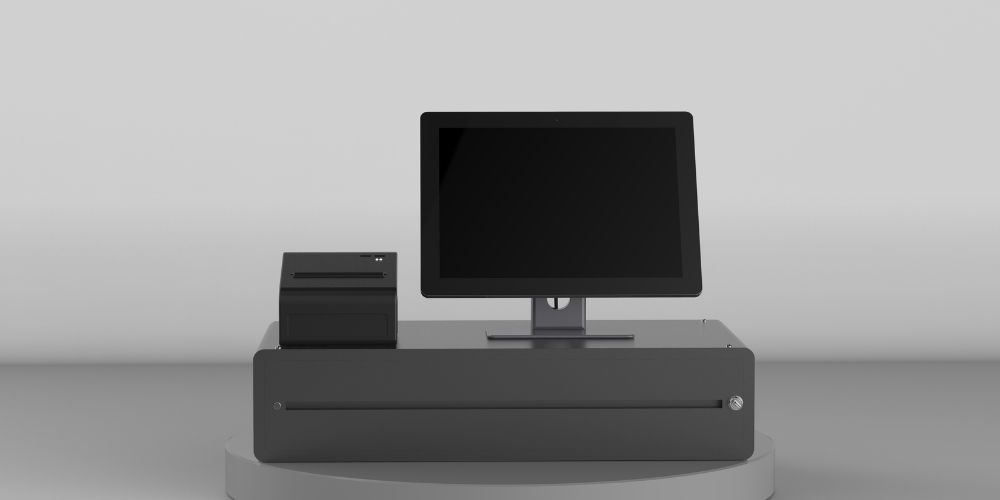
Choosing the right point-of-sale (POS) system is one of the most important decisions a restaurant owner can make. The right hardware not only helps your staff work efficiently but also enhances the experience for your customers. Clover POS systems are popular in the restaurant industry because they offer different hardware options that fit various types of restaurants, from food trucks to full-service dining. However, not all devices are suitable for every type of restaurant, and picking the right one requires understanding the strengths and weaknesses of each model.
The choice of hardware can impact daily operations more than you might realize. A small café with limited counter space has very different needs compared to a high-volume fast-casual restaurant. Similarly, a fine-dining restaurant may prioritize table-side ordering and interactive payment options, whereas a food truck needs portability and speed. Evaluating your restaurant’s service style, customer flow, and space is key to selecting the hardware that will support both your staff and your guests.
Clover Station Solo: Powerful and Reliable for High-Traffic Counters
The Clover Station Solo is a large, all-in-one POS device designed for fixed locations, making it ideal for restaurants with high foot traffic. It comes with a big merchant-facing touchscreen, built-in receipt printer, and a connection for a cash drawer. Its screen is perfect for entering complex orders, handling modifiers, and managing multiple tables or lines at the counter.
For sit-down restaurants or busy counter-service spots, the Station Solo is very practical. Staff can quickly access menus, split bills, or check inventory, while the hardware itself is built to handle constant use. Its stability and durability make it a reliable option for restaurants that want an all-in-one solution without the need for additional devices.
Clover Station Duo: Enhancing Customer Interaction
If customer experience and engagement are important to your restaurant, the Clover Station Duo is worth considering. This device includes a merchant-facing touchscreen for staff and a smaller customer-facing display. Guests can see their orders, confirm details, and even interact with loyalty programs.
The dual-screen setup reduces mistakes and speeds up transactions by allowing customers to participate in the checkout process. For fast-casual restaurants or cafés with high turnover, this interactive screen can be used to display promotions, upsell items, or guide customers through payment. The Station Duo combines the power of the Solo with added features to enhance customer engagement and transparency.
Clover Mini: Compact Yet Fully Functional
Not every restaurant has plenty of counter space. Small cafés, food trucks, or pop-up locations can benefit from the Clover Mini. Despite its smaller size, it includes a touchscreen, card reader for various payment types, and a built-in receipt printer.
The compact design allows staff to process orders and payments without taking up too much space, which is especially useful in cramped environments. The Mini offers both wired and wireless connectivity, so it can fit into almost any setup. Its portability makes it a practical solution for restaurants that need full POS functionality without a large footprint.
Clover Flex: Mobility for Table-Side and On-the-Go Payments
For restaurants that require mobility, such as table-side service, curbside pickup, or delivery, the Clover Flex is designed to meet these needs. It is a handheld device that allows staff to take orders, process payments, and print receipts on the spot.
With a built-in card reader, receipt printer, and barcode scanner, the Flex is versatile and convenient. It supports both Wi-Fi and cellular connections, allowing staff to work anywhere in or around the restaurant. For environments where speed and flexibility are critical, the Flex ensures that service remains seamless, improving both customer satisfaction and operational efficiency.
Matching Hardware to Your Restaurant Type
The right Clover hardware depends largely on the type of restaurant you run. Full-service, sit-down restaurants benefit from a stationary POS like the Station Solo, where staff can manage multiple orders and handle complicated billing scenarios. Quick-service or fast-casual restaurants may prefer the Station Duo because its customer-facing screen helps speed up service and reduce errors.
Small cafés, food trucks, and kiosks gain the most from the Mini, which delivers the full POS experience in a smaller, space-saving package. Meanwhile, restaurants with mobile service models will find the Flex invaluable for enhancing the guest experience by bringing the checkout process directly to the table or curb.
In many cases, a combination of devices works best. For example, a busy café could use a Station Solo at the counter for main order processing while deploying several Flex devices for tableside payments. The hardware integrates seamlessly, allowing staff to access the same software, inventory, and reporting tools across all devices.
For restaurants looking for a detailed overview of how Clover can fit their operations, this guide on clover for restaurants provides helpful insights on matching POS systems to different restaurant types.
Practical Considerations
While Clover devices are generally reliable, it’s important to plan for potential hardware issues. Some restaurants have reported occasional freezes or malfunctions after updates, which can disrupt operations if backup devices are not available. Having a support plan or service agreement can minimize downtime.
Cost is another factor. The more advanced devices, like the Station Duo, carry higher upfront prices than the Mini or Flex. Restaurants also need to consider monthly software subscriptions for POS management, which vary depending on the devices and features used. Despite these costs, the investment often pays off by improving staff efficiency, streamlining operations, and enhancing the customer experience.
Conclusion
Choosing the best Clover POS hardware depends on your restaurant’s size, service style, and operational needs. The Station Solo is ideal for high-traffic counters and complex orders, while the Station Duo enhances customer engagement. The Mini is perfect for smaller spaces, and the Flex brings mobility and flexibility to any service model. Many restaurants benefit from combining multiple devices to meet all operational needs.
By carefully evaluating your workflow, space, and customer interactions, you can select Clover hardware that supports both your staff and your guests, creating a smoother, more efficient restaurant experience.
https://digital24hour.com/
 suzinassif009
  socialrootsai1
  tractor123