
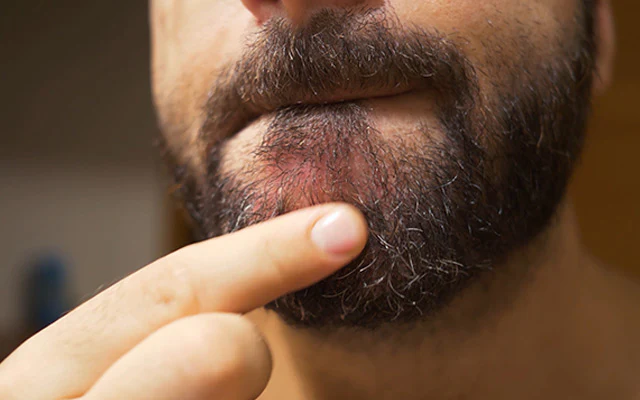
Introduction to Beard Dandruff
Beard dandruff is a common but often overlooked issue for many men who proudly wear facial hair. Just like dandruff on the scalp, beard dandruff can be annoying, embarrassing, and persistent if not treated properly. But what causes beard dandruff, and how can you avoid it?
Understanding the root causes of beard dandruff can help you take effective measures to keep your beard looking and feeling its best. In this article, we’ll break down the common causes, symptoms, and solutions to this issue, so you can say goodbye to those pesky flakes for good.
What is Beard Dandruff?
Beard dandruff is essentially dry, flaky skin that appears under your facial hair. While it’s similar to scalp dandruff, the cause and treatment can differ. Beard dandruff is typically characterized by flakes that fall from your beard and can end up on your clothes or around your neckline.
Why Does It Matter?
Not only is beard dandruff uncomfortable and unsightly, but it can also be a sign of underlying skin conditions. Understanding its causes and how to manage it can prevent further irritation and help you maintain a healthy, nourished beard.
Common Causes of Beard Dandruff
Several factors contribute to beard dandruff, and pinpointing the right cause is the first step toward effective treatment.
Dry Skin
One of the most common causes of beard dandruff is dry skin. When your skin lacks moisture, it can become flaky and irritated, resulting in visible dandruff. Dry air, especially in winter, or exposure to hot showers can exacerbate this issue.
Fungal Infections
Another culprit behind beard dandruff is a yeast-like fungus called Malassezia. This fungus thrives in oily environments, like the skin under your beard, and can cause irritation and flaking, contributing to dandruff.
Lack of Proper Hygiene
Sometimes, the issue is as simple as improper beard hygiene. Without regular cleaning, oils, dead skin cells, and dirt can accumulate under your beard, causing your skin to become irritated and flaky.
Sensitive Skin Conditions
Some men suffer from sensitive skin conditions like eczema or psoriasis, which can also cause beard dandruff. These conditions often result in inflamed, red patches on the skin, accompanied by flakes.
Over-Washing or Under-Washing
It might seem counterintuitive, but both over-washing and under-washing your beard can lead to dandruff. Over-washing strips the skin of its natural oils, leaving it dry and irritated, while under-washing allows oil buildup, which can lead to fungal infections.
Identifying Beard Dandruff Symptoms
Knowing the symptoms of beard dandruff can help you determine whether you’re dealing with it and if it’s time to take action.
Flaky Skin and White Dust
The most obvious sign of beard dandruff is the appearance of white flakes or dust on your beard, skin, or clothing. These flakes are dead skin cells that have been shed from your facial skin.
Itching and Irritation
Itchy, irritated skin is another common symptom of beard dandruff. The itchiness can range from mild to severe, and scratching it only aggravates the issue.
Redness and Inflammation
If your beard dandruff is caused by a skin condition or fungal infection, it may come with redness, inflammation, or small bumps on the skin beneath your beard.
How to Prevent Beard Dandruff
Now that you understand the causes of beard dandruff, let’s dive into how you can prevent it from happening in the first place.
Keep Your Beard Moisturized
A well-moisturized beard is less likely to suffer from dryness and flaking. Use beard oils, balms, or lotions to keep your beard and skin hydrated, especially during the colder months.
Regularly Wash Your Beard
Washing your beard regularly with a mild beard shampoo helps remove dirt, oil, and dead skin cells. This prevents buildup and keeps your beard clean and healthy.
Use Beard-Specific Products
Avoid using regular shampoo on your beard, as it can be too harsh for the delicate skin beneath. Opt for products made specifically for facial hair, such as beard wash, oils, and conditioners, to ensure your beard stays in optimal condition.
Avoid Harsh Chemicals
Certain grooming products can be too harsh on your skin, leading to dryness and irritation. Always check the ingredients list and avoid products containing alcohol, sulfates, or parabens, which can strip moisture from your skin.
Protect Your Skin with a Healthy Diet
A balanced diet rich in vitamins and minerals can help support healthy skin and hair. Incorporate foods high in omega-3 fatty acids, vitamins A and E, and zinc to promote skin hydration and overall beard health.
Effective Beard Dandruff Treatments
If beard dandruff has already become a problem, don’t worry—there are effective treatments available.
Natural Remedies for Beard Dandruff
Some natural remedies can help alleviate beard dandruff. Try using coconut oil, aloe vera, or tea tree oil, all of which have anti-inflammatory and moisturizing properties. Gently massage these oils into your beard and skin to soothe dryness and reduce flakes.
Over-the-Counter Treatments
If natural remedies don’t work, over-the-counter dandruff shampoos containing ingredients like zinc pyrithione, ketoconazole, or selenium sulfide can help control fungal growth and reduce flaking. Be sure to choose products designed for facial hair to avoid irritation.
Prescription Options for Severe Cases
In severe cases, where beard dandruff is caused by skin conditions like eczema or psoriasis, you may need a prescription treatment. Consult with a dermatologist for medicated creams or shampoos that can help control symptoms and prevent flare-ups.
Maintaining Beard Health
Once you’ve treated your beard dandruff, it’s important to maintain healthy beard habits to prevent it from coming back.
Be Gentle with Your Beard
Avoid tugging or pulling on your beard when combing or trimming. Be gentle with the hair and skin to prevent irritation or damage that could lead to dandruff.
Trim Regularly
Regular trims help keep your beard looking neat and prevent split ends, which can lead to irritation and flaking.
Stay Hydrated
Drinking enough water is crucial for keeping your skin and beard hydrated. Proper hydration helps maintain skin elasticity and prevents dryness.
Conclusion
Beard dandruff is a common issue that can be caused by several factors, including dry skin, fungal infections, and poor hygiene. Fortunately, there are many ways to prevent and treat it, from using moisturizing products to maintaining a healthy diet and proper hygiene. By following these steps and taking good care of your beard, you can enjoy a flake-free and healthy beard.
Frequently Asked Questions (FAQs)
What causes beard dandruff in winter?
Winter weather can cause your skin to become dry due to the cold air and indoor heating. This dryness leads to flaking and beard dandruff.
Can beard dandruff be a sign of a more serious condition?
Yes, conditions like eczema or psoriasis can cause beard dandruff. If the dandruff is accompanied by redness or irritation, consult a dermatologist for advice.
How can I naturally treat beard dandruff at home?
Natural remedies like coconut oil, tea tree oil, and aloe vera can help moisturize the skin and reduce dandruff. These ingredients have antifungal and anti-inflammatory properties.
Is beard dandruff contagious?
No, beard dandruff is not contagious. It is caused by dry skin or other skin conditions, not a bacterial or viral infection.
Can diet influence beard dandruff?
Yes, a diet rich in vitamins and minerals, particularly omega-3 fatty acids, zinc, and vitamins A and E, can help improve skin and beard health, preventing dandruff.
Read more articles.
 Mesotherapyclinicdubai
  rileysnow
  jacksun093