
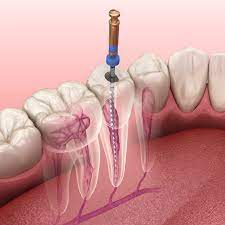
A sore root canal tooth can be an unsettling experience for many patients, especially after undergoing treatment intended to relieve pain and protect the tooth. While root canal therapy is highly effective in removing infection and preserving natural teeth, it can leave the treated tooth and surrounding tissues feeling tender or sensitive. The discomfort may range from mild soreness when chewing to a dull ache that lingers throughout the day. Understanding why this soreness occurs and how to manage it can make your recovery smoother and less stressful.
The soreness usually results from inflammation of the ligaments and surrounding bone, minor trauma during the procedure, or pressure on the healing tooth. Although it can be uncomfortable, most post-treatment discomfort is temporary and subsides within a few days to a week.
Following dental advice today is key to managing this soreness effectively. Dentists often provide guidance on pain relief, diet, oral hygiene, and follow-up care, which can significantly reduce discomfort and prevent potential complications. Implementing this guidance ensures a safe and comfortable healing process.
Common Causes of Soreness After a Root Canal
Understanding the reasons behind post-treatment discomfort can help patients manage expectations and take proper care of their teeth.
Inflammation of Surrounding Tissues
During root canal therapy, instruments are used to clean and shape the canals, which can irritate the tissues surrounding the tooth. The periodontal ligaments and bone may remain inflamed for several days, causing tenderness and a dull ache. This type of soreness is a normal part of the healing process.
H3: Bite Pressure and Temporary Restorations
Sometimes a temporary filling or crown may slightly alter your bite. A tooth that feels “high” can experience additional pressure when chewing, leading to soreness. Your dentist can easily adjust the bite to relieve discomfort.
H3: Residual Healing from Infection
If the tooth was severely infected before treatment, the surrounding tissues may have been swollen or inflamed. Even after the pulp is removed, these tissues require time to heal fully, which can contribute to temporary tenderness.
Less Common Causes of Persistent Pain
While most post-root canal soreness is mild and temporary, some situations can cause prolonged or intense discomfort.
Missed Canals
Molars and some premolars have multiple canals, which can sometimes be challenging to clean thoroughly. If a canal is missed, bacteria may remain, causing ongoing discomfort that may require retreatment.
Cracks or Fractures in the Tooth
Cracks or fractures in the tooth can lead to sensitivity or pain even after a root canal. Protective restorations, such as crowns, are often recommended to strengthen the tooth and reduce discomfort.
Reaction to Dental Materials
Although rare, some patients may experience mild irritation from materials used in fillings or sealants. This can cause temporary soreness until the tissue adjusts or the material is replaced.
Typical Timeline for Healing
Knowing what to expect in terms of soreness can help you differentiate normal discomfort from potential complications.
First 24–48 Hours
Tenderness, mild swelling, and occasional throbbing are common immediately after treatment. Over-the-counter pain medication and a soft-food diet help manage discomfort during this period.
Days 3–5
Soreness usually begins to improve. Chewing becomes easier, and sensitivity may reduce, although minor tenderness may remain.
One Week and Beyond
Most discomfort should resolve within a week. Persistent or worsening pain may indicate bite issues, infection, or other complications that need attention.
Home Remedies for Relief
There are several effective at-home strategies to ease soreness after root canal therapy.
Over-the-Counter Pain Relief
Non-prescription medications like ibuprofen or acetaminophen can reduce inflammation and relieve discomfort. Always follow the recommended dosage or your dentist’s instructions.
Soft Diet and Chewing Practices
Avoid chewing on the treated tooth until soreness subsides. Soft foods such as soups, mashed potatoes, yogurt, and smoothies are ideal for the first few days.
H3: Cold Compresses
Applying a cold pack to the outside of the cheek for 10–15 minutes at a time can help reduce swelling and numb discomfort.
Maintaining Oral Hygiene During Recovery
Proper oral hygiene promotes healing and prevents complications.
Gentle Brushing and Flossing
Brush twice daily and floss once daily, being careful around the treated tooth to avoid irritation.
Warm Salt Water Rinses
A gentle rinse with warm salt water (½ teaspoon salt in a cup of warm water) can soothe inflamed tissues and promote healing. Use 2–3 times daily.
Avoid Irritating Foods
Stay away from very hot, cold, hard, or sticky foods during the initial healing period to prevent additional pressure on the treated tooth.
Professional Interventions to Consider
Sometimes home care alone isn’t enough to alleviate soreness.
Bite Adjustment
If a filling or crown is slightly high, your dentist can adjust it to relieve pressure on the tooth. This often provides immediate relief.
Retreatment for Persistent Infection
In cases where a canal was missed or infection persists, retreatment may be necessary to remove bacteria and resolve pain.
Antibiotic Therapy
If signs of lingering infection appear, such as swelling or pus, antibiotics may be prescribed to control bacterial growth and promote healing.
The Importance of Crowns and Restorations
Many root-canal-treated teeth require crowns to ensure long-term protection and reduce future discomfort.
H3: Reinforces Tooth Structure
Crowns strengthen a tooth that may be brittle after root canal therapy, reducing the risk of fractures and associated pain.
H3: Corrects Bite Alignment
A well-fitted crown helps distribute chewing forces evenly, minimizing pressure on the healing tissues.
H3: Protects Against Reinfection
Crowns seal the treated tooth, preventing bacteria from entering and causing reinfection, which can also reduce long-term discomfort.
Tips for a Smooth Recovery
Implementing these strategies ensures optimal healing and comfort.
Follow Post-Treatment Instructions
Adhere to your dentist’s guidelines on medications, diet, and oral care to promote faster recovery.
Schedule Follow-Up Visits
Routine follow-ups allow your dentist to monitor healing, make adjustments, and address potential issues early.
Maintain Healthy Oral Habits
Consistent brushing, flossing, and rinsing prevent infection and support long-term oral health.
FAQs
Q1: Is it normal for a root canal tooth to feel sore?
A: Yes, mild soreness for several days is expected as surrounding tissues heal.
Q2: How can I manage soreness at home?
A: Use over-the-counter pain relievers, apply cold compresses, rinse with salt water, and avoid chewing on the treated tooth.
Q3: When should I contact my dentist?
A: If pain worsens, swelling occurs, or discomfort persists beyond a week, schedule a checkup. These could indicate complications.
Conclusion
A sore root canal tooth is usually part of the normal healing process. Inflammation, tissue trauma, and bite adjustments are common reasons for temporary discomfort. Most soreness resolves within a few days with proper care and attention.
By following dental advice today and maintaining good oral hygiene, patients can support faster healing and minimize pain. Monitoring symptoms and consulting your dentist if discomfort persists ensures that your treated tooth remains strong, healthy, and comfortable for years to come.
 healthcareus
  busi_ness
  healtharc