
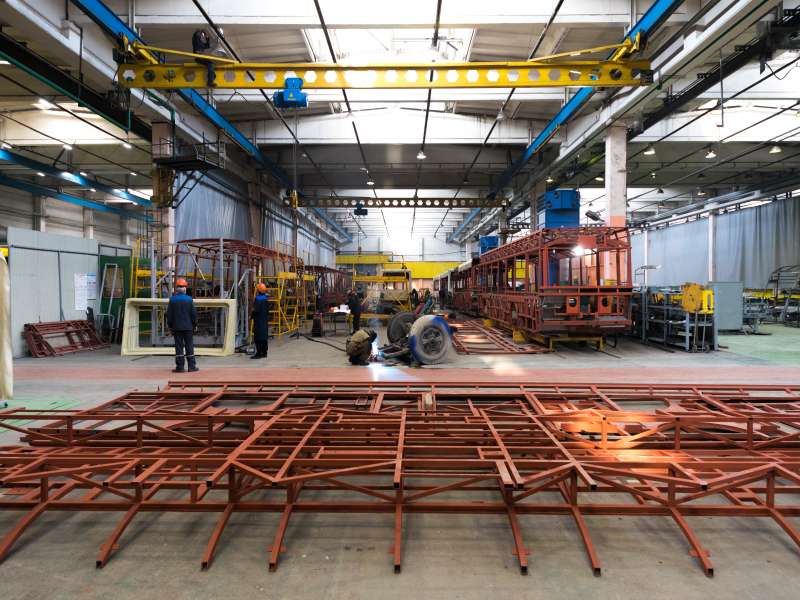
Industrial steel fabrication plays a major role in modern infrastructure, manufacturing, and large-scale construction. When a project goes smoothly, it saves time, reduces cost, improves safety, and keeps clients confident. When it doesn’t, delays and rework can quickly drain budgets.
This article breaks down 10 practical tips that help project managers, engineers, and contractors run successful industrial steel fabrication projects. Each tip is based on real-world experience, common project hurdles, and proven industry practices. The goal is to give readers clear, friendly, and actionable guidance they can apply to any fabrication job, whether it involves structural frames, heavy machinery parts, or custom industrial components.
1. Start with Clear Project Specifications
Why clarity matters
The more precise the initial brief, the fewer surprises later. Clear drawings, material requirements, quality expectations, and timelines help fabricators plan accurately and avoid rework.
What to include
- Final approved drawings and 3D models
- Material grade and thickness
- Load-bearing requirements
- Welding standards
- Finishing needs (painting, galvanizing, powder coating)
2. Choose the Right Materials Early
Selecting the proper steel grade early in the planning phase ensures the fabricated parts perform correctly and last longer.
Key considerations
- Will the structure face corrosion, extreme temperatures, or heavy loads?
- Does the project require stainless steel, carbon steel, or alloy steel?
- Is weight reduction a priority?
- Are there industry-specific standards to follow?
Practical insight
For coastal or chemical-exposed environments, stainless steel grades like 304 or 316 often outperform regular carbon steel. For structural frames, mild steel is usually more economical and easier to fabricate.
Choosing suitable materials early also avoids production delays caused by last-minute substitutions.
3. Work With an Experienced Fabrication Partner
Industrial steel fabrication involves machining, welding, bending, rolling, cutting, and assembling. The quality of the final output depends heavily on the expertise of the fabricator.
Signs of a reliable partner
- Certified welders and qualified engineers
- Experience in similar project scopes
- In-house QA/QC systems
- Modern machinery like CNC plasma cutters, press brakes, and automated welders
- Transparent quotation and communication
Why experience matters
Experienced industrial steel fabricators foresee challenges such as weld distortion, material expansion, and load issues even before production starts. This saves both time and budget.
4. Plan for Realistic Timelines
Steel fabrication cannot be rushed without affecting quality. Proper timelines help coordinate multiple stages, from cutting to finishing.
Consider timeline components
- Material procurement
- Precision cutting
- Welding and assembly
- Surface treatment
- Inspection and testing
- Packing and dispatch
A useful tip
Include buffer time for QA inspections, design revisions, and coordination with external contractors. A well-planned schedule reduces stress on teams and prevents costly mistakes.
5. Use Advanced Design and Modeling Tools
Modern design tools make fabrication more accurate and predictable. Software such as Tekla, AutoCAD, SolidWorks, and BIM help fabricators prepare precise shop drawings and avoid errors during assembly.
Benefits
- Accurate measurements
- Early detection of clashes
- Better interpretation for fabricators
- Seamless communication between design and production teams
6. Prioritize Welding Quality and Standards
Welding is one of the most critical processes in industrial steel fabrication. Poor welding can weaken the entire structure, no matter how strong the steel is.
Tips for better welding
- Follow certified welding procedures (WPS)
- Assign qualified welders
- Conduct visual and non-destructive testing (NDT)
- Ensure proper pre-heating and post-weld treatments when necessary
Common tests used
- Ultrasonic testing
- Magnetic particle testing
- Radiographic testing
- Dye penetrant inspection
Strong, clean, and certified welds ensure long-term durability and client satisfaction.
7. Maintain Strict Quality Control at Every Stage
Quality control should be ongoing, not just at the end of the job. Multiple inspections prevent costly rework later.
Areas that require checks
- Material certification and traceability
- Cutting accuracy
- Proper weld penetration
- Dimensional checks
- Bolt-hole alignment
- Surface preparation before painting
Why is this important
A tiny misalignment during cutting can lead to major installation issues on-site. Continuous quality checks ensure every component fits perfectly when assembled.
8. Keep Communication Consistent Throughout the Project
Miscommunication is one of the most common causes of project delays. Keeping all stakeholders aligned is important for smooth progress.
Helpful communication practices
- Weekly progress updates
- Shared access to drawings
- Quick approval workflow
- Centralized document management
- Clear point of contact for each team
9. Consider Safety at Every Step
Safety should never be an afterthought in steel fabrication. From workshop operations to on-site installation, strict safety protocols protect workers and reduce downtime.
Important safety measures
- Proper PPE for all workers
- Machine guards on cutting and drilling tools
- Regular equipment maintenance
- Safe welding zones and exhaust systems
- Correct lifting and rigging techniques
Good safety practices not only protect workers but also keep the project on schedule by avoiding unexpected shutdowns.
10. Prepare for Smooth Site Installation
Fabrication is only half the journey. The final test is whether the steel components fit and function properly on site.
Steps to prepare
- Pre-assembly or trial fit in the workshop
- Marking components clearly for installation crews
- Coordinating crane and lifting plans
- Ensuring accurate site measurements
- Addressing transportation restrictions
Final advice
If every piece arrives labeled, aligned, and ready to bolt together, installers spend less time correcting errors and more time completing the project efficiently.
Conclusion
Industrial steel fabrication projects succeed when planning, communication, and technical accuracy come together. With clear specifications, the right fabricator, strong quality control, and safe installation processes, teams can deliver reliable, long-lasting steel structures that perform exactly as expected.
Anyone planning a new project can start applying these ten tips right away to avoid delays, strengthen communication, and maintain the highest standards from start to finish.
If your team or clients need guidance or professional support for upcoming steel projects, consider working with experts who specialize in industrial steel fabrication and understand the importance of consistent quality and clear coordination.
Read also:- How Do I Choose the Right Cable Management System in Abu Dhabi
 eliteecomhub
  arwaisameldin
  jacksontea