
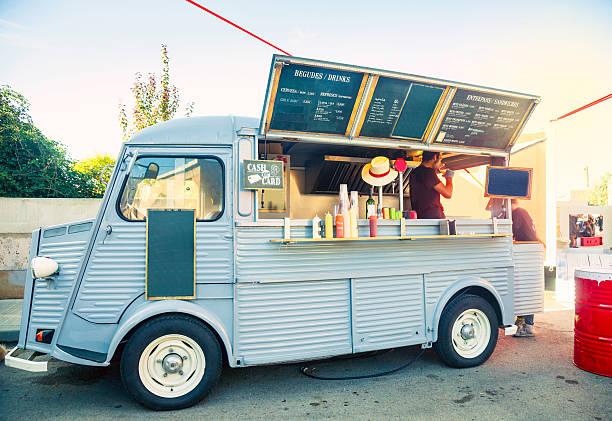
Food trailers used to be simple. Throw in a propane stove, add a serving window, done. But man, things have changed fast. The whole mobile food scene’s getting this massive tech makeover, and honestly? It’s about time.
I’ve seen plenty of trailer setups over the years, and the difference between old-school rigs and what the best food trailer manufacturers are churning out now is night and day. We’re talking sensors, digital everything, systems that practically run themselves. Sounds expensive, right? Well, hold that thought.
Why Everyone’s Jumping on the Tech Bandwagon
Look, nobody wakes up thinking “I need more technology in my taco truck.” But here’s what actually happens: you’re trying to prep during lunch rush, your fridge dies, you don’t notice until everything’s warm. Nightmare scenario. Been there?
Modern trailers come with monitoring systems that ping your phone before disaster strikes. Temperature drops? You know immediately. Equipment acting weird? Early warning. It’s not fancy tech for the sake of it—it’s sanity-saving stuff that keeps your business running.
Space has always been the big headache. You’re working in what’s basically a glorified hallway. Manufacturers now use computer modeling to figure out layouts before building anything. They test workflows digitally, move equipment around on screen until everything flows right. Saves a ton of headaches later.
The Power Situation (Finally Getting Better)
Generators are loud, thirsty, and your neighbors will hate you. Solar setups are popping up everywhere now. Some trailers run almost entirely off battery power during slower periods. One guy I know hasn’t fired up his generator in weeks—just charges his batteries overnight and he’s good all day.
Smart electrical panels track what’s sucking down power. Usually it’s that ancient freezer unit you’ve had forever. Numbers don’t lie, and suddenly you’re making decisions based on actual data instead of guessing.
Kitchens That Don’t Require a PhD
Touch screens are taking over. Instead of twenty different switches and dials, you’ve got one panel controlling lights, fans, equipment—everything. Your new hire figures it out in five minutes instead of constantly asking “which switch is this again?”
Cooking equipment’s gotten smarter too. Induction burners that know when to throttle down. Ovens with actual timers that work reliably. Sounds basic, but if you’ve wrestled with temperamental equipment during dinner service, you get why this matters.
Payment tech’s everywhere now. Customers expect to tap their phone and go. Cash-only places? They’re losing sales, simple as that. Good POS systems track sales automatically, show you what’s selling, what’s sitting. Takes the guesswork out of ordering inventory.
Making Inspections Less Painful
Nobody loves health inspections. But automatic logging systems? Those help. Your fridge keeps digital records of temps 24/7. Inspector shows up, you pull up weeks of data in seconds. Makes everyone’s life easier.
Fire suppression that actually works without you touching anything. Grease traps that tell you when they’re full instead of overflowing mid-shift. Ventilation systems that adjust themselves based on how hard you’re cooking.
This is where concession trailer manufacturers are really stepping up. Safety features aren’t add-ons anymore—they’re baked into the whole design from day one.
When Stuff Breaks (Because It Will)
Here’s where it gets interesting. Remote diagnostics mean the manufacturer can sometimes fix issues without sending someone out. System throwing an error? They log in, check it out, maybe reset something remotely. Saves time and service call fees.
GPS tracking helps if you’ve got multiple trailers or just want peace of mind about where your expensive rig is parked. Fleet management becomes way less stressful.
The Money Talk Nobody Wants
Yeah, tech costs more upfront. Anyone telling you different is selling something. But here’s the reality check—energy savings add up fast. Better monitoring prevents waste. Efficiency improvements mean you can serve more customers with the same footprint.
Had a friend upgrade to a smart trailer last year. His electrical bill dropped 40%. Food waste cut in half because nothing’s spoiling unexpectedly. Six months in, he’s already seeing returns on that investment.
What’s Coming Next
AI cooking assistants are being tested. Augmented reality for maintenance (point your phone at equipment, see repair instructions overlaid). Some systems are starting to self-diagnose and auto-order parts.
Sounds like sci-fi stuff? Maybe. But five years ago, nobody thought we’d have trailers running mostly on solar power either.
Real Talk
The mobile food business is brutal. Margins are thin, competition’s fierce, and customers have zero patience for delays. Technology won’t fix everything—you still need good food and decent service—but it removes a lot of daily friction.
Smart trailers aren’t just for early adopters anymore. They’re becoming standard because they solve real problems. The monitoring alone prevents so many disasters. The energy savings are legit. The operational efficiency speaks for itself.
Is every bell and whistle necessary? Probably not. But the core tech—monitoring, smart power management, integrated systems—that stuff’s becoming essential. The industry’s moving forward whether we like it or not.
Bottom line? If you’re serious about the mobile food business, you need to understand where trailer technology’s headed. Because your competition definitely is.
 akappliancerepair