
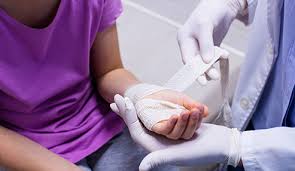
 The Antimicrobial Dressing Market healthcare landscape is evolving as patient-centered approaches become a critical element in medical product development. Among the many sectors undergoing transformation, the antimicrobial dressing market stands out due to increasing demand for solutions that not only control infections but also enhance patient comfort and accelerate healing. As the burden of chronic wounds rises and healthcare systems emphasize improved patient outcomes, antimicrobial dressings are becoming indispensable tools for effective wound management. The growing focus on comfort, usability, and efficiency is redefining this market, shaping innovation and influencing the adoption of advanced technologies across clinical settings.
Table of Contents
ToggleGrowing Importance of Antimicrobial Dressings in Modern Wound Care
Wound care practices have changed significantly over the past decade. Traditional dressings are no longer sufficient for managing complex wounds associated with chronic illnesses, surgical interventions, and traumatic injuries. Antimicrobial dressings offer an improved therapeutic approach by incorporating agents such as silver, iodine, honey, and polyhexamethylene biguanide to prevent microbial growth. Their ability to reduce infection risks and promote a cleaner wound environment has made them essential in both acute and chronic wound care protocols.
The shift toward these advanced dressings is driven by rising global rates of diabetes, increasing surgical procedures, and the growing prevalence of conditions that compromise healing. With hospitals prioritizing patient safety and infection control, antimicrobial dressings are increasingly favored over conventional alternatives. This shift has laid a strong foundation for market expansion, but what truly propels growth today is the renewed emphasis on patient comfort and faster healing outcomes.
Enhanced Patient Comfort as a Key Market Driver
One of the most influential factors shaping the antimicrobial dressing market is the heightened focus on patient comfort. Modern wound care acknowledges that discomfort, pain, and reduced mobility can negatively impact the healing process. Consequently, manufacturers are designing dressings that are not only antimicrobial but also soft, breathable, and gentle on the skin.
Innovations such as silicone-based adhesive technologies have helped reduce pain during dressing changes. Soft foam layers enhance cushioning, helping patients manage pressure-related discomfort. Moisture-retention materials reduce dryness and irritation, contributing to an optimal healing environment. This patient-centric shift is particularly significant for individuals with sensitive skin, elderly patients with fragile skin layers, and those requiring frequent dressing changes.
Comfort-based product development also aligns with the increasing number of wound care treatments occurring in home care settings. Patients often prefer dressings that are easy to apply, flexible, and comfortable during mobility, which further reinforces demand for advanced antimicrobial dressings.
Accelerated Healing Efficiency Supports Market Expansion
Healing efficiency has become a critical benchmark in wound management. As healthcare providers aim to reduce hospital stays, prevent wound complications, and improve overall outcomes, the need for products that contribute to faster healing is steadily increasing. Antimicrobial dressings play a crucial role in achieving these objectives by minimizing bacterial activity and supporting natural tissue regeneration.
Advanced dressings help maintain optimal moisture levels, which is essential for cellular repair. They reduce the risk of infection-related delays and help stabilize the wound environment. Innovations such as bioactive materials, nanotechnology-enhanced antimicrobials, and dressings with controlled-release agents further optimize healing efficiency. Hospitals and clinics are recognizing these advantages, leading to rising adoption across multiple wound categories including diabetic ulcers, pressure injuries, surgical wounds, burns, and venous leg ulcers.
The combination of antimicrobial protection and enhanced healing capabilities not only shortens recovery time but also reduces the economic burden associated with prolonged wound care. This financial benefit serves as another incentive for healthcare providers to invest in advanced dressing solutions.
Technological Advancements Supporting Market Growth
Technology is playing a central role in shaping the future of the antimicrobial dressing market. Modern product development involves smart materials, innovative polymers, and advanced antimicrobial agents designed to meet the evolving expectations of patients and clinicians.
Several emerging innovations are transforming the space. Nanotechnology-enabled coatings provide long-lasting antimicrobial activity with improved safety profiles. Hydrogel-based dressings offer cooling properties that soothe the wound surface while controlling infection. Bioengineered dressings are being developed to mimic natural tissue structures, promoting faster regeneration. Some products integrate sensors to monitor moisture levels or detect early signs of infection, supporting personalized wound care approaches.
These advancements not only enhance wound-healing efficiency but also directly contribute to patient comfort by reducing the need for frequent dressing changes and minimizing irritation.
Rising Prevalence of Chronic Conditions and Aging Population
Chronic conditions such as diabetes and vascular diseases are increasing worldwide, contributing to a higher incidence of slow-healing wounds that require specialized care. Diabetic foot ulcers, for instance, pose a major challenge due to their susceptibility to infection. Antimicrobial dressings are a critical component of management strategies for such wounds.
The global aging population further strengthens market demand. Elderly individuals often experience fragile skin, reduced healing capacity, and higher susceptibility to infection. Comfortable, gentle, and efficient antimicrobial dressings are essential for addressing the needs of this demographic. As healthcare systems adopt long-term care strategies for older populations, the use of advanced wound care products is expected to expand significantly.
Shift Toward Home-Based and Outpatient Wound Care
Another major trend influencing the antimicrobial dressing market is the growing shift from inpatient care to outpatient and home-based care. Patients increasingly manage chronic wounds at home, supported by telehealth consultations and remote monitoring tools. This model requires dressings that are safe, simple to apply, comfortable, and effective in preventing infection without constant medical supervision.
Manufacturers are responding with user-friendly antimicrobial dressings that maintain integrity for longer periods, reduce dressing-change frequency, and offer pain-free removal. The convenience and comfort of these products make them highly appealing for self-care, contributing to market growth in both developed and developing regions.
Patient-Centric Healthcare Policies Reshaping the Market
Governments and regulatory bodies worldwide are promoting healthcare models that prioritize patient comfort, safety, and healing outcomes. Policies encouraging infection control, hospital-acquired infection reduction, and improved surgical recovery rates support the widespread adoption of antimicrobial dressings. As a result, hospitals, clinics, and long-term care facilities are increasing investments in advanced wound management technologies.
Patient feedback also plays a larger role in product selection than ever before. Comfort, ease of use, and reduced healing time contribute to higher patient satisfaction, influencing purchasing decisions among healthcare institutions.
Market Challenges: Cost and Accessibility
Despite strong growth potential, the antimicrobial dressing market faces challenges that stakeholders must address. Advanced antimicrobial dressings often come at higher costs compared with traditional dressings. In low-resource settings, affordability becomes a barrier, limiting access to these beneficial technologies. Additionally, lack of awareness in rural or underserved regions slows adoption.
Overcoming these challenges will require collaborations between manufacturers, healthcare providers, and policymakers to design affordable options and improve distribution channels.
Future Outlook of the Antimicrobial Dressing Market
The future of the antimicrobial dressing market is promising, with continued emphasis on patient comfort and healing efficiency driving product innovation. As technologies become more sophisticated and affordability improves, adoption rates will continue to rise across hospitals, outpatient centers, and home-care settings.
The next phase of market growth is likely to involve intelligent dressings equipped with digital health capabilities, improved biodegradable materials that enhance comfort and sustainability, and advanced antimicrobial solutions with minimal resistance risk. With patient-centered care becoming a global priority, the demand for effective, comfortable, and efficient antimicrobial dressings will remain strong.
 bironwarner
  austinbower
  digitalmarketing56