
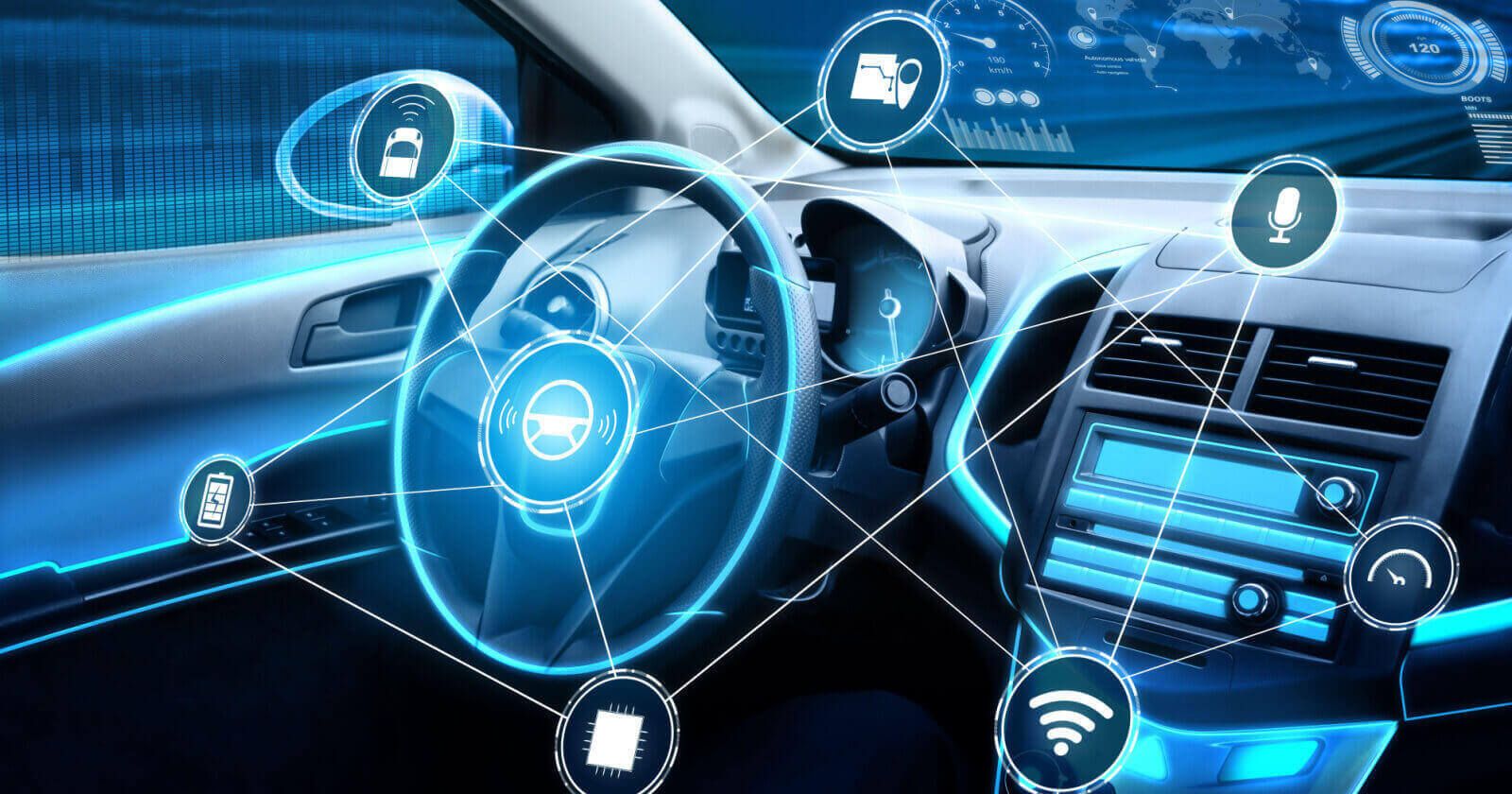
The car industry is changing with innovations such as ADAS or autonomous car technology. Though these technologies are often mentioned side by side, they are in fact quite distinct in terms of their degree and capability. This article will distinguish between ADAS and self-driving cars, as well as show how they work, their benefits, and advancements in transportation technology.
What is ADAS?
ADAS is an acronym for “Advanced Driver Assistance Systems.” ADAS encompasses a range of systems and technologies developed for assisting drivers in staying safe behind the wheel. The systems operate using cameras, sensors, radar, or software, but it is always the driver behind the car whose primary task is the control of the vehicle.
Driving with an ADAS will not deprive you of control; rather, an ADAS will make driving even safer and more comfortable for you. Common examples of ADAS functions include:
- Adaptive Cruise Control (ACC): regulates speed to maintain a suitable distance.
- Lane Keeping Assist: assists you in keeping the car in the middle of the lane.
- Automatic Emergency Braking: braking by itself if it predicts an accident.
- Lane Keep Assist: keeps it in its lane if it
These come under lower levels of automation, where the driver has to remain alert to take control at any given time.
In short, an automobile driver assistance system boosts safety and reduces human error, but it doesn’t replace the driver behind the wheel.
What Are Autonomous Cars? Exploring Further
Autonomous vehicles, or self-driving cars, operate with minimal to no input from the driver. Equipped with advanced sensors and AI software, these vehicles detect their surroundings and respond autonomously, requiring little or no involvement from the driver.
Vehicle autonomy is divided into levels, from partial autonomy to full autonomy:
- Level 3: The autonomous vehicle is self-driving in certain situations.
- Level 4: High automation, no human intervention is required by definition.
- Level 5: The vehicle is self-driving and able to drive on all roads regardless of the circumstances.
Vehicles of Level 4 and Level 5 are self-driving vehicles. Such vehicles use self-driving technology, advanced computing, deep learning, multi-sensor fusion, and mapping to analyze complex road scenarios.
Main Differences Between ADAS and Autonomous Vehicles
To make sense of the distinction between these two contemporary paradigms in vehicle technology, a brief explanation of the relative differences between ADAS and autonomy is necessary:
-
Control & Human Involvement
The ADAS systems are there to assist, but not substitute, the human driver. You are still required to control, brake, or respond.
Autonomous cars are expected to end the need for human control in most or all situations, depending on the level of automation.
-
Scope of Functionality
Various features of an ADAS, for instance, adaptive cruise control and lane-keeping support, have specific tasks.
Autonomous driving level links numerous systems and artificial intelligence logic to execute overall driving functions.
-
Sensor Complexity
The ADAS systems usually consist of cameras, radar, and basic sensor fusion.
Autonomous vehicles rely heavily on more complex sensors such as LiDAR, high-resolution mapping, and redundancy when it comes to self-navigation.
-
Legal and Regulatory Status
ADAS systems are widely accepted and legalized around the world.
In contrast, most advanced autonomous vehicles are still in the pilot phase or awaiting full regulatory approval, though some Level 3 systems have received approval in specific markets.
How ADAS Contributes to Level 5 Autonomy
Although ADAS Advanced Driver Assistance System features are not enough on their own to make a car fully autonomous, they provide very essential building blocks. Sensor data analysis, object recognition, and predictive driving are essential milestones in making an autonomous car.
As companies improve their hardware and develop smarter AI technology, similar to what powers autonomous vehicles, both driver assistance and fully autonomous cars will become increasingly attainable.
Conclusion:
To conclude, ADAS vs autonomous vehicles is not a competition but rather technological progress because it involves advancements in both technologies with certain similarities and differences. ADAS systems enhance safety and assist drivers in navigating difficult driving situations. Self-driving cars have the goal of eliminating the driver altogether and making transportation autonomous. The understanding of this divide is critical for both consumers as well as industry observers, as the world of automobiles is rapidly heading towards making smarter, safer, and ultimately autonomous vehicles.
Industry Outlook and Innovation
As the automotive industry continues to evolve from ADAS technology toward fully autonomous driving technology, strong research and development capabilities remain critical. Organizations such as the Suzuki R&D Centre India play an important role in advancing advanced driver assistance systems, vehicle safety innovation, and future mobility solutions tailored to diverse driving conditions.
FAQs
- An ADAS system refers to?
An Advanced Driver Assistance System, or “ADAS” for short, is a generic description of a series of safety and assistance systems that serve a driver. Additional functionalities encompassed by “ADAS” include the ability to actively brake, steer, monitor the road, and manage speed control, with the driver remaining fully in control of the vehicle.
- Is ADAS similar to autonomous vehicles?
No. While the technology in ADAS is meant to assist the vehicle’s driver, the technology for autonomous vehicles is meant to “operate the vehicle with limited or no human interaction.” Whereas the technology in “ADAS is meant to assist the vehicle’s driver,” the technology for autonomous vehicles is “meant to replace the vehicle’s driver.”
- Can you list some of the technologies used by an autonomous car?
These autonomous vehicles rely on sensors, AI, high-performance computing, cameras, radar, and sometimes LiDAR to achieve this function. They also operate together as they are used in this autonomous vehicle driving framework to interpret surroundings and make decisions for safe driving.
 Avazack
  arwaisameldin
  minibushire