
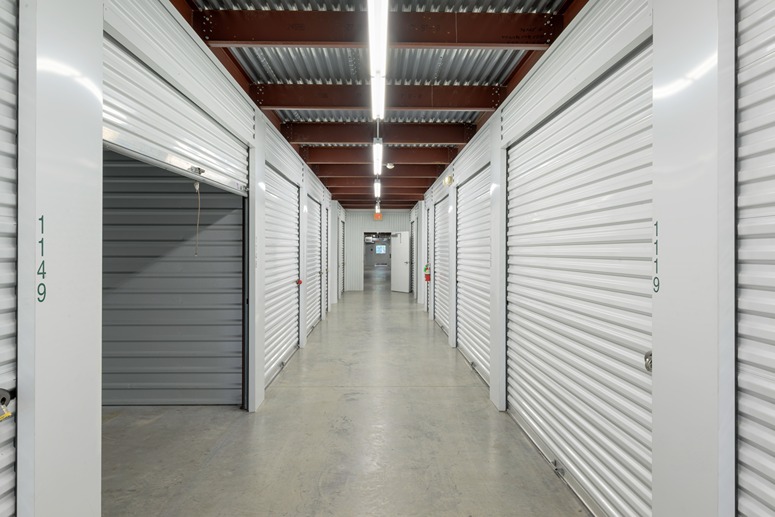
You open the storage unit door and feel that familiar mix of annoyance and disbelief, almost like walking into a garage after a rushed spring-cleaning attempt. Boxes lean at odd angles, holiday decorations cling to old chairs, and somewhere under all that clutter, winter coats wait like buried treasure. Many people know this scene far too well. A storage unit shouldn’t feel like punishment. When it’s treated more like a small, well-kept extension of your home—rather than the place where forgotten things go to disappear—you walk in, find what you came for, and get out in minutes instead of spiraling into an afternoon of frustration. It’s a surprisingly big difference.
Choose the Right Unit Size Before You Move In
Picking the wrong unit size creates problems that linger. A quick walk through your belongings at home helps more than expected. Group everything on the floor, just to see the actual volume, and picture how much space those items will genuinely take once boxed or wrapped. Leave a clear aisle down the middle wide enough for normal movement; many people underestimate how tight a “spacious” unit becomes once all the boxes arrive. The result is often an expensive upgrade later, or worse, a cramped layout that never truly works. Giving yourself a little extra room from the start leads to easier visits every time.
Importance of Design a Layout That Fits Real Life
Think of the unit as a small shop where you know exactly where things belong. The items used most often—camping gear, tools for weekend projects, or school supplies—should sit near the entrance. Less frequently used items, like holiday wreaths or luggage only touched once a year, can go further back. A simple system of clear storage bins stacked neatly along the walls creates order instantly. Leaving the center pathway open allows a quick glance around without climbing over unstable piles. It’s a layout based on real movement, not wishful thinking.
Ways Label Boxes Clearly for Future Sanity
A vague label like “kitchen stuff” might seem harmless while packing, yet it becomes genuinely painful later when searching for one specific baking tray or a set of spice jars. Labels should be bold and visible from at least two sides. Writing both general categories and a few important specific items helps the brain remember what’s where. Including which room the items originally came from makes unpacking far easier if those things eventually return home. Spending a few extra minutes labeling now prevents the future version of yourself from digging through endless boxes in frustration.
How to Build Simple Routines That Keep Order
Staying organized isn’t about perfection; it’s about easy habits that support clarity. Using matching clear bins helps because everything remains visible without opening lids. Shelving units along the walls let you stack boxes vertically while still reaching the top without wobbling on a stool. A printed map taped to the inside of the unit door, showing what sits where, becomes surprisingly valuable—especially for people who store seasonal gear or a mix of home and business items. Updating the map briefly after each visit keeps the system honest and prevents slow drift toward disorder.
Protect Your Belongings While You Stay Organized
Protection matters just as much as organization. Raising items off the ground with pallets or shelves reduces the risk of moisture creeping up from the floor. Furniture wrapped in breathable covers avoids the trapped humidity that plastic often causes. A few moisture-absorbing packets placed in corners help prevent musty odors. Mattresses and couches stored upright stay clean and take up less space. When belongings are cared for in this way, they remain ready for use instead of deteriorating quietly in the dark.
Access Your Items Without Losing Your Mind
A quick storage-unit trip only stays quick when everything returns to its proper place afterward. Returning items immediately prevents unnoticed clutter. Families using the unit together can follow the same routine to avoid confusion. A simple ten-minute end-of-visit tidy keeps things under control. Even visiting the unit occasionally when nothing specific is needed helps catch small issues—like a tilted stack of boxes or a moisture absorber that needs replacing—before they turn into real problems.
Keep Improving Your System Over Time
A storage system naturally evolves as needs change. Taking a brief photo after a well-organized visit serves as a helpful reminder of what worked. Adding portable lighting or small clip-on lamps can make the darker corners easier to manage. Rearranging sections to match new seasons or shifting priorities keeps the space practical. It’s a gradual improvement process, not a one-time setup.
Conclusion: Step Into a More Organized Storage Life
A neatly arranged storage unit has a way of quieting the mind—almost unexpectedly so. Once boxes stop shifting around and the layout matches everyday habits, dropping by becomes a quick in-and-out rather than a small ordeal. And, honestly, places like Georgetown Moving and Storage Company make that process easier, especially with their storage facilities in Mclean, VA that stay clean and secure. Their crew knows how to set up a space that actually stays organized, which brings a real sense of relief and, strangely enough, a bit of satisfaction.
 neharajput
  harshali1
  kmkventuresusa