
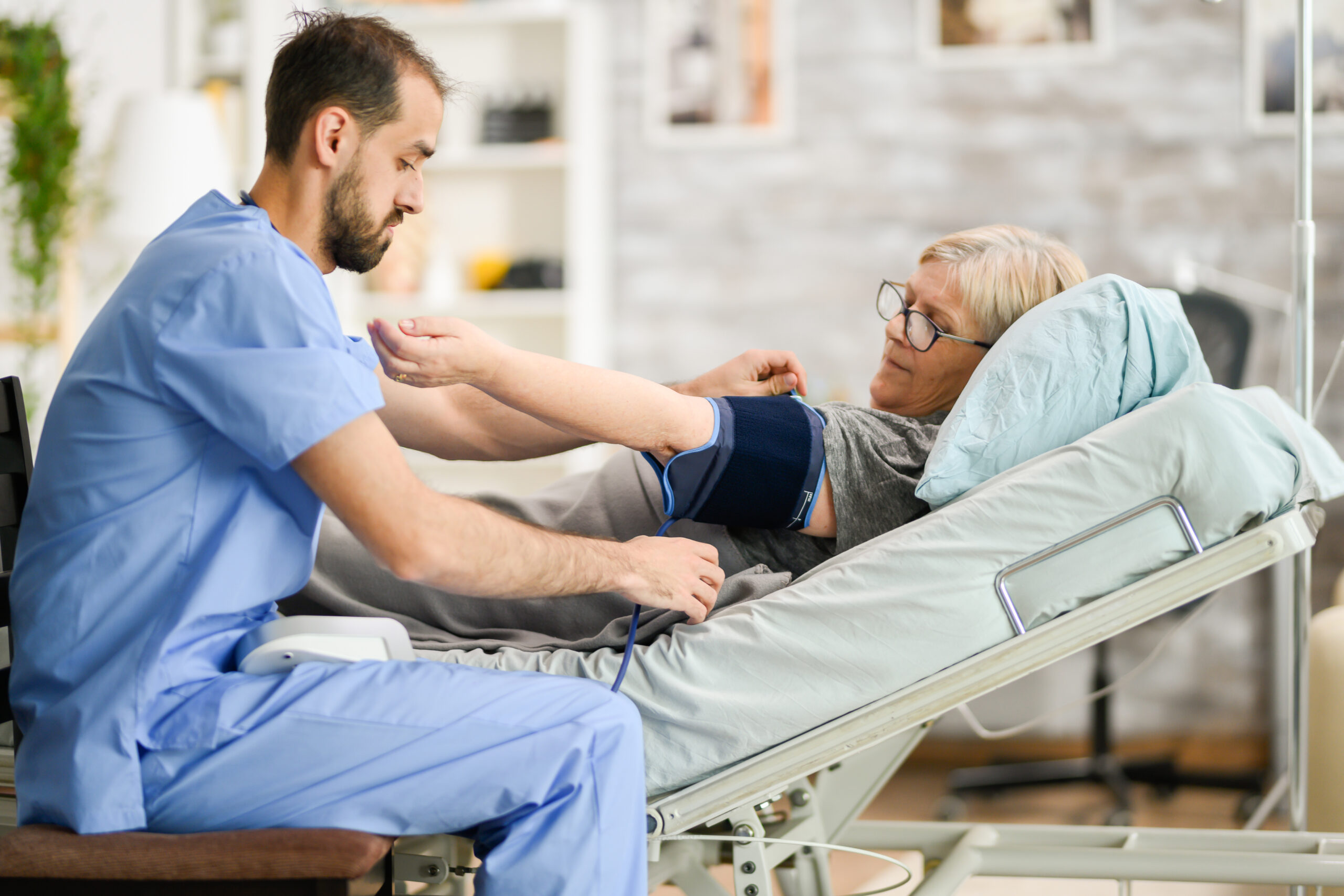
Post-surgical recovery and illness rehabilitation present unique challenges for older adults. The period following hospitalization is critical for preventing complications and achieving optimal outcomes. Understanding the advantages of professional medical support helps families make informed decisions about recovery care for their loved ones.
1. Round-the-Clock Medical Monitoring and Support
Recovery requires vigilant attention to vital signs, medication responses, and potential complications. Skilled nursing for seniors provides continuous monitoring by licensed nurses who can quickly identify and address concerns about changes in condition. This constant oversight provides peace of mind that medical needs will be recognized and managed promptly.
Nurses conduct regular assessments throughout the day and night, tracking progress indicators like wound healing, pain levels, and mobility improvements. Early detection of issues such as infections, adverse medication reactions, or declining vital signs allows for immediate intervention. This proactive approach prevents minor concerns from escalating into serious complications requiring hospital readmission.
The presence of trained medical staff also means seniors receive assistance with clinical tasks that family caregivers may find challenging or uncomfortable. From wound care to catheter management, professional nurses handle complex medical procedures with expertise and proper technique.
2. Expert Medication Management
Post-surgical and post-illness medication regimens can be complex, involving multiple prescriptions with specific timing requirements. Skilled nursing for seniors ensures accurate medication administration, reducing risks associated with missed doses, incorrect timing, or drug interactions.
Licensed nurses understand how medications work, recognize potential side effects, and monitor for adverse reactions. They coordinate with physicians to adjust dosages when needed and educate patients about their prescriptions. This professional oversight becomes especially valuable when medications change frequently during recovery periods.
Many seniors take multiple medications for chronic conditions alongside new prescriptions for their recent surgery or illness. Nurses review complete medication lists to identify potential interactions and ensure compatibility. This comprehensive approach prevents dangerous complications while optimizing therapeutic benefits.
3. Coordinated Rehabilitation Services
Recovery often requires multiple therapy disciplines working together toward common goals. Skilled nursing facilities coordinate physical therapy, occupational therapy, and speech therapy services as part of comprehensive care plans. This integration ensures all rehabilitation efforts align and reinforce each other.
Physical therapists help seniors rebuild strength and mobility after surgery or extended illness-related bed rest. Occupational therapists focus on restoring independence in daily activities like bathing, dressing, and meal preparation. When needed, speech therapists address swallowing difficulties or communication challenges resulting from stroke or other neurological events.
Having all rehabilitation services in one location eliminates transportation challenges and scheduling conflicts. Therapists communicate regularly with nursing staff, creating seamless care that addresses both medical and functional recovery needs. This coordinated approach accelerates progress and improves outcomes.
4. Nutritional Support for Healing
Proper nutrition is essential for wound healing, tissue repair, and maintaining strength during recovery. Skilled nursing facilities provide meals designed to meet the specific dietary needs of seniors recovering from surgery or illness. Registered dietitians assess nutritional status and create plans that support healing while addressing any dietary restrictions.
Many post-surgical seniors experience appetite loss or have difficulty eating due to pain, nausea, or medication side effects. Nursing staff monitor food intake and work with dietary teams to offer appealing, nutritious options that encourage adequate consumption. Between-meal snacks and protein supplements may be provided when additional calories are needed.
For seniors with swallowing difficulties, modified texture diets ensure safe eating while maintaining nutritional value. Dietitians also educate patients and families about nutrition’s role in recovery, providing guidance for continued healthy eating after discharge. This attention to dietary needs accelerates healing and prevents malnutrition-related complications..
5. Pain Management Expertise
Effective pain control is crucial for recovery, enabling seniors to participate in rehabilitation and rest comfortably. Skilled nursing for seniors offers comprehensive pain management through both pharmacological and non-pharmacological approaches. Nurses assess pain levels regularly and communicate with physicians to optimize treatment plans.
Beyond medication administration, nurses employ comfort measures like positioning techniques, heat or cold therapy, and relaxation strategies. They understand that uncontrolled pain can delay healing, interfere with sleep, and decrease motivation to engage in therapy. Balanced pain management keeps discomfort at tolerable levels while minimizing medication side effects.
Nurses also educate seniors about realistic pain expectations during recovery and teach self-management techniques for use after discharge. This preparation helps patients maintain comfort when they return home and understand when pain levels warrant contacting their healthcare provider.
6. Reduced Caregiver Burden and Family Peace of Mind
Caring for a recovering senior at home can be physically and emotionally overwhelming for family members. Skilled nursing provides professional care that relieves families of tasks they may not feel equipped to handle. This support allows loved ones to focus on emotional connection rather than clinical responsibilities.
Family caregivers often struggle with sleep deprivation when providing overnight care, managing complex medication schedules, and assisting with mobility. Professional nursing care ensures these needs are met competently while family members maintain their own health and responsibilities. Visiting becomes quality time rather than exhausting caregiving shifts.
Knowing their loved one receives expert medical attention also provides families with peace of mind. They can trust that recovery is progressing appropriately and any concerns will be addressed by qualified professionals. Regular communication from nursing staff keeps families informed and involved in care decisions without bearing the full caregiving burden.
Making the Right Choice for Recovery
Selecting appropriate post-acute care significantly impacts recovery success and long-term outcomes for seniors. Regency Senior Living offers skilled nursing for seniors that combines expert medical care with compassionate support in a comfortable environment. Our experienced team provides the comprehensive services needed to ensure safe, effective recovery with personalized attention that helps your loved one regain independence and return home with confidence.
 bironwarner
  danielsmith
  MadrinasInsurance