
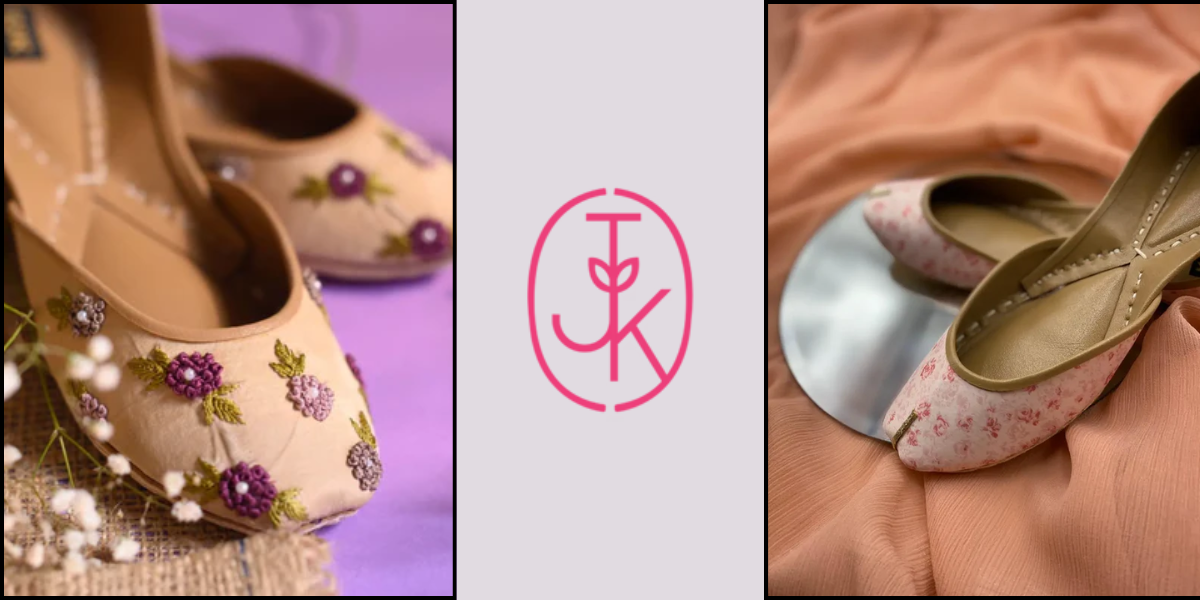
When it comes to dressing up baby girls, every parent wants an outfit that is not only beautiful but also comfortable and meaningful. Traditional footwear has made a strong comeback in kids’ fashion, and among all options, baby girl khussa stands out as a timeless favorite. Rooted in South Asian heritage, khussa shoes for baby girls beautifully blend culture, craftsmanship, and cuteness. From festive occasions to casual family gatherings, these tiny traditional shoes add a special charm to every little step.
In this blog, we’ll explore why baby girl khussa is so popular, the different styles available, how to choose the right pair, and tips to style and care for them.
The Cultural Beauty of Baby Girl Khussa
Khussa has long been a symbol of tradition and elegance in South Asian fashion. While adults have embraced khussa for centuries, the trend has gracefully extended to children’s wear as well. Baby girl khussa captures the essence of cultural heritage in a miniature form, making it both adorable and meaningful.
Parents often prefer khussa for babies during cultural events like weddings, Eid, birthdays, and family functions. These shoes complement traditional outfits such as frocks, lehengas, ghararas, and shalwar kameez, creating a complete ethnic look for little girls.
Why Baby Girl Khussa Is a Perfect Choice
There are many reasons why baby girl khussa has become a must-have in kids’ wardrobes:
1. Comfort Meets Style
Modern baby khussa designs are made with soft inner linings and flexible soles to ensure comfort for delicate feet. Unlike heavy or stiff footwear, baby khussa allows easy movement while still looking stylish.
2. Lightweight and Easy to Wear
Baby khussa is usually lightweight, making it suitable for toddlers and infants who are just learning to walk. Many designs come with elastic backs or soft straps to ensure a secure yet gentle fit.
3. Traditional Yet Trendy
Khussa designs for baby girls combine traditional embroidery with modern colors and patterns. This balance makes them suitable for both cultural events and contemporary outfits.
4. Versatile for Many Occasions
From weddings and festivals to photoshoots and casual gatherings, baby girl khussa fits effortlessly into every occasion.
Popular Baby Girl Khussa Designs
Today, baby girl khussa is available in a wide range of designs to suit different tastes and outfits. Some of the most loved styles include:
Embroidered Baby Khussa
Delicate threadwork, mirror work, and bead embellishments add a festive touch. These are perfect for weddings, Eid, and formal occasions.
Floral Baby Girl Khussa
Floral patterns are soft, playful, and ideal for baby girls. Pastel shades with floral embroidery look especially charming during daytime events.
Plain and Minimal Khussa
For parents who prefer simplicity, plain baby khussa in neutral colors like beige, peach, gold, or silver is a great choice. These can be paired with multiple outfits.
Velvet Baby Khussa
Velvet khussa gives a luxurious feel and is often chosen for winter weddings and formal events. Deep shades like maroon, navy, and emerald look stunning.
Cartoon or Motif-Based Khussa
Some baby khussa designs feature cute motifs like hearts, stars, or bows, adding a playful element that babies and parents both love.
Choosing the Right Baby Girl Khussa
Selecting the perfect khussa for your baby girl requires attention to a few important factors:
Correct Size
Babies’ feet grow quickly, so it’s essential to choose the right size. Avoid overly tight shoes, as they can cause discomfort. A little extra room is ideal for movement.
Soft Material
Look for khussa made with soft leather, fabric, or velvet, along with cushioned inner soles. Rough or hard materials can irritate sensitive skin.
Flexible Sole
A flexible sole supports natural foot movement, especially for babies who are learning to walk.
Secure Fit
Elastic backs, soft straps, or gentle closures help keep the khussa in place without pressing too tightly on the foot.
Styling Baby Girl Khussa with Outfits
One of the best things about baby girl khussa is how easily it can be styled. Here are a few outfit ideas:
-
Pair embroidered khussa with a traditional frock or lehenga for weddings.
-
Style plain khussa with a colorful shalwar kameez for everyday cultural wear.
-
Match pastel khussa with a floral dress for birthdays or photoshoots.
-
Choose metallic-toned khussa with festive outfits for Eid or family events.
By coordinating colors and embroidery, you can create a polished and adorable look for your little one.
Baby Girl Khussa for Special Occasions
Khussa is often the first choice for special milestones and celebrations. Whether it’s a naming ceremony, birthday party, or wedding function, baby girl khussa adds elegance without compromising comfort. Many parents also choose khussa for professional baby photoshoots, as it enhances the traditional aesthetic beautifully.
Caring for Baby Girl Khussa
To keep baby khussa looking new and comfortable, proper care is important:
-
Clean gently with a soft cloth after use.
-
Avoid exposure to water, especially for embroidered or velvet khussa.
-
Store in a dry place, preferably in a shoe bag or box.
-
Use them occasionally rather than daily to maintain shape and quality.
With the right care, baby girl khussa can last through multiple occasions and even be saved as a keepsake.
Why Baby Girl Khussa Is More Than Just Footwear
Baby girl khussa is not just a fashion accessory; it’s a beautiful way to connect the next generation with cultural roots. These tiny shoes carry tradition, craftsmanship, and love in every stitch. For parents, they represent joyful moments, celebrations, and memories that last a lifetime.
Final Thoughts
In the world of kids’ fashion, baby girl khussa holds a special place. It combines comfort, tradition, and charm in a way no other footwear can. Whether you’re dressing your little one for a festive occasion or simply want to add a traditional touch to her outfit, baby khussa is always a delightful choice.
With countless designs, colors, and styles available today, finding the perfect baby girl khussa has never been easier. Each pair tells a story of heritage and elegance—made even more precious by the tiny feet that wear them
 akappliancerepair