
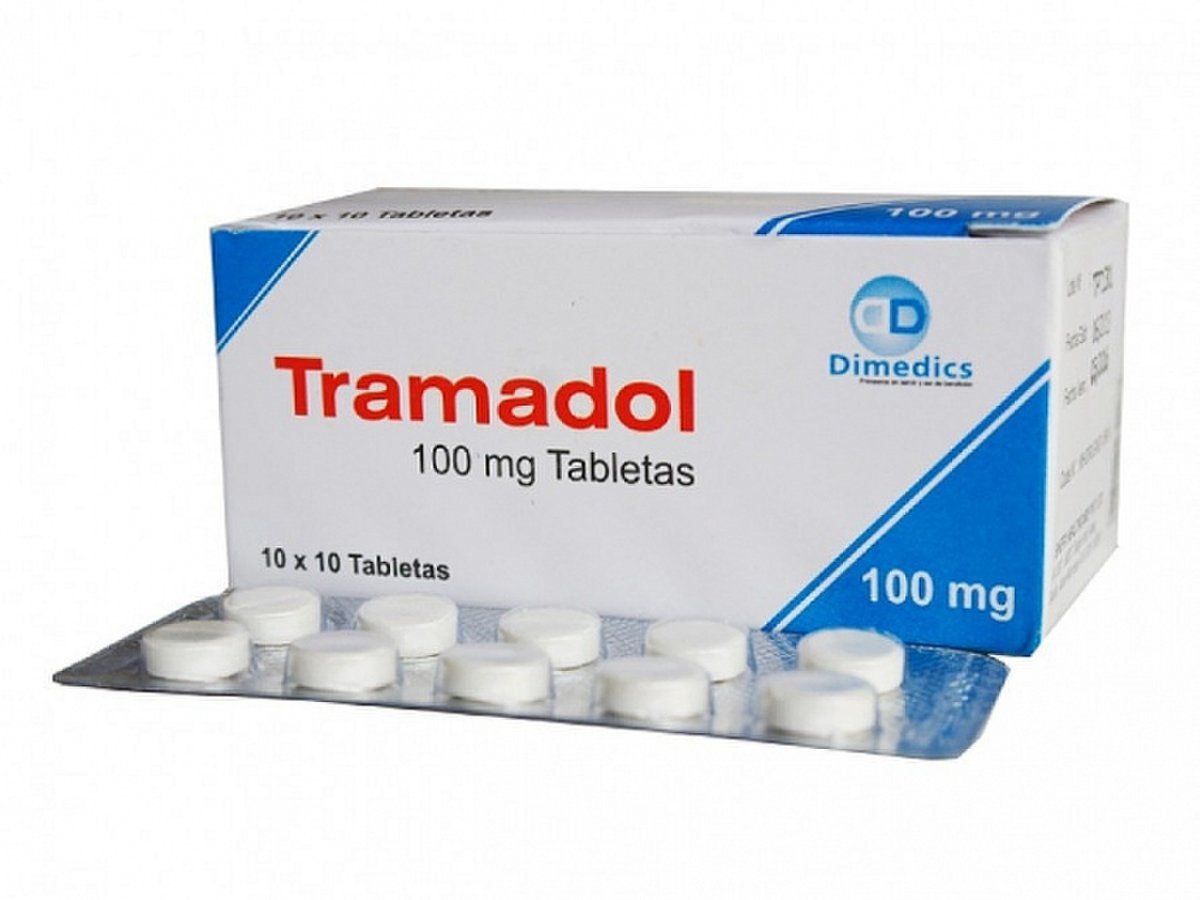
Tapering off medications like Tramadol 100mg requires careful planning and professional guidance. Abruptly stopping opioids can lead to withdrawal symptoms and complications, making it crucial to follow a structured approach. This article will provide a step-by-step guide to safely tapering off Tramadol 100mg, highlighting essential precautions, lifestyle adjustments, and support strategies.
Understanding Tramadol 100mg and Its Effects
Tramadol 100mg is a prescription opioid analgesic commonly used for managing moderate to severe pain. While effective, prolonged use may lead to physical dependence, making discontinuation challenging. Understanding the effects of Tramadol 100mg on the body is the first step in creating a safe tapering plan.
The drug works by binding to opioid receptors in the brain and spinal cord, altering the perception of pain. Over time, your body may adapt to its presence, which means suddenly stopping the medication can trigger withdrawal symptoms such as nausea, sweating, anxiety, and muscle pain. Knowing this can help you mentally and physically prepare for the tapering process.
Why Gradual Tapering is Crucial
Abrupt cessation of Tramadol 100mg can result in uncomfortable and potentially dangerous withdrawal symptoms. Gradual tapering allows your body to adjust slowly, reducing the intensity of withdrawal and minimizing health risks.
Tapering also provides an opportunity to monitor your response to lower doses. If withdrawal symptoms become severe, your healthcare provider can adjust the schedule accordingly. Studies show that a slow tapering approach significantly increases the likelihood of successful discontinuation without complications.
Creating a Personalized Tapering Schedule
A personalized tapering schedule is essential when reducing Tramadol 100mg. There is no universal plan, as individual responses vary based on factors such as the duration of use, current dosage, and overall health.
A typical approach involves reducing the dose by 10–25% every one to two weeks. For example, if you are taking Tramadol 100mg daily, your doctor might recommend decreasing the dose to 75mg for two weeks, then 50mg, and so on. Keeping a detailed log of dosage, symptoms, and any challenges helps healthcare providers fine-tune the tapering plan.
Managing Withdrawal Symptoms Effectively
Even with a structured taper, withdrawal symptoms may still occur. Common experiences include headaches, irritability, insomnia, and flu-like symptoms. Understanding and preparing for these symptoms can make the process more manageable.
Non-medical strategies include staying hydrated, eating a balanced diet, and engaging in gentle physical activity. Mindfulness techniques, meditation, and support groups can also alleviate anxiety and stress during tapering. If symptoms become severe, consulting your healthcare provider is essential for potential adjunct therapies.
Support Tools and Resources
During tapering, access to proper support can significantly improve outcomes. This is where trusted resources like Xanaxkopen provide information and guidance on managing medication safely. While primarily an online platform for prescription medication, they offer educational materials about opioid tapering and safe usage.
Support from family, friends, or professional counselors is equally important. Discussing your tapering plan openly can ensure a supportive environment and reduce emotional stress, which often exacerbates withdrawal symptoms.
Lifestyle Adjustments During Tapering
Making healthy lifestyle adjustments can ease the tapering process for Tramadol 100mg. Regular exercise helps reduce anxiety and improves sleep quality, while a diet rich in vitamins and minerals supports overall well-being.
Sleep hygiene is crucial, as insomnia is a common withdrawal symptom. Limiting caffeine, maintaining a consistent sleep schedule, and creating a relaxing bedtime routine can help. Additionally, engaging in hobbies or social activities can divert attention from cravings and provide positive reinforcement during the taper.
When to Seek Medical Intervention
Even with a gradual taper, certain situations require immediate medical attention. Severe withdrawal symptoms such as extreme agitation, rapid heartbeat, hallucinations, or persistent vomiting should prompt consultation with a healthcare provider.
It is also vital to communicate regularly with your prescribing physician throughout the taper. Adjustments may be necessary if symptoms become unmanageable. Healthcare professionals may recommend alternative medications or therapies to alleviate withdrawal discomfort while safely discontinuing Tramadol 100mg.
Maintaining Long-Term Recovery and Pain Management
Successfully tapering off Tramadol 100mg is just the first step in long-term recovery. Once discontinued, alternative pain management strategies are essential to maintain comfort and prevent relapse. Non-opioid medications, physical therapy, acupuncture, and cognitive-behavioral therapy (CBT) are effective options.
Regular follow-ups with your healthcare provider ensure that pain is managed safely without returning to opioid use. Building a strong support network and adopting healthy coping mechanisms also contributes to long-term success and overall well-being.
Conclusion
Tapering off Tramadol 100mg safely requires careful planning, professional guidance, and a supportive environment. Gradual dose reduction, lifestyle adjustments, and ongoing monitoring can significantly minimize withdrawal symptoms and health risks. Resources like Xanaxkopen offer guidance, while a structured plan and personal dedication ensure a successful transition. By prioritizing safety and well-being, patients can overcome dependency and achieve a sustainable, pain-managed lifestyle.
Successfully tapering off Tramadol 100mg is just the first step in long-term recovery. Once discontinued, alternative pain management strategies are essential to maintain comfort and prevent relapse. Non-opioid medications, physical therapy, acupuncture, and cognitive-behavioral therapy (CBT) are effective options.
Regular follow-ups with your healthcare provider ensure that pain is managed safely without returning to opioid use. Building a strong support network and adopting healthy coping mechanisms also contributes to long-term success and overall well-being.
Successfully tapering off Tramadol 100mg is just the first step in long-term recovery. Once discontinued, alternative pain management strategies are essential to maintain comfort and prevent relapse. Non-opioid medications, physical therapy, acupuncture, and cognitive-behavioral therapy (CBT) are effective options.
Regular follow-ups with your healthcare provider ensure that pain is managed safely without returning to opioid use. Building a strong support network and adopting healthy coping mechanisms also contributes to long-term success and overall well-being.
 nihalanigroup
  sculptratreatment
  resus
resus