

In the world of finance, being an FX trader requires discipline, focus, and adaptability. FX, also known as foreign exchange (forex) or currency exchange, is one of the most popular financial markets. Additionally, it is the most liquid and largest market worldwide, with around $7 trillion traded per day.
In simple terms, forex trading is the buying and selling of one currency by taking advantage of the movements of the exchange rates. Although it may seem overwhelming, especially for new traders, forex trading is one of the go-to financial markets they try.
But even though trading is the buying and selling of assets, each market also differs from the other. If you’re interested in starting your trading journey in 2026, in this article, we’ll discuss the distinct nature of being an FX trader.
1. The 24-Hour Nature of the Market
The forex market operates 24 hours, five days a week, unlike the stock market, which closes after business hours. The non-stop cycle of this market offers never-ending opportunities but requires constant adaptability and vigilance. So, FX traders should manage their time and energy wisely when diving into forex trading.
In addition, since the forex market is mostly open, it should be considered not just a job, but also a lifestyle, since you should also look out for the economic calendar and global time zones. Since there are differences in time, it can also affect the trades and decision-making of FX traders. So, if you’re serious about becoming one, you should also understand the challenges that may arise concerning the time zones.
2. Trading Currency Pairs, Not Individual Assets
So, how does the forex trading work? It starts when you buy one currency against another. For instance, if you buy USD/EUR, you’re expecting that the USD will strengthen relative to the EUR. Having a dual nature, forex trading requires the traders to understand the global factors that can influence both sides of the currency pair. Some of these factors include employment data, inflation, interest rates, and geopolitical events.
The three types of currency pairs are majors, minors, and exotics. Majors are the biggest currency pairs in the world, such as GBP/USD and EUR/USD. Meanwhile, minors are also known as cross pairs (such as EUR/AUD and EUR/GBP), and the exotics are a combination of the popular currency and an emerging one (like EUR/SEK and USD/TRY).

3. High Leverage and Risk Management
When it comes to forex trading, leverage is one of its defining features and also its biggest risk. Basically, leverage allows traders to trade small positions just by using small capital. However, the catch is that even though leverage can amplify gains, it can also do the same with losses. As an FX trader, you should be able to utilise risk management tools, such as position sizing, stop-loss orders, and secure, disciplined trading plans. These can help protect your account from major drawdowns.
Since the use of leverage can lead to major losses, there’s also the margin call that occurs when your equity falls below the required levels in your trading account. Some of the most common reasons for major losses include unexpected rate changes, volatile price gaps, market movement, and correlated currency movements.
4. Emotional Discipline and Psychological Control
Although FX trading may seem easy, it’s actually not. You can experience the emotional rollercoaster of trading just like when trading other financial markets. Since the price moves unpredictably and rapidly, traders can feel a lot of things, such as overconfidence, fear, and greed. At the same time, FX traders need to decide quickly, unlike the other long-term investors, so what you currently feel might affect your future trades.
As a beginner in the trading industry, you should be able to have psychological control and emotional discipline.
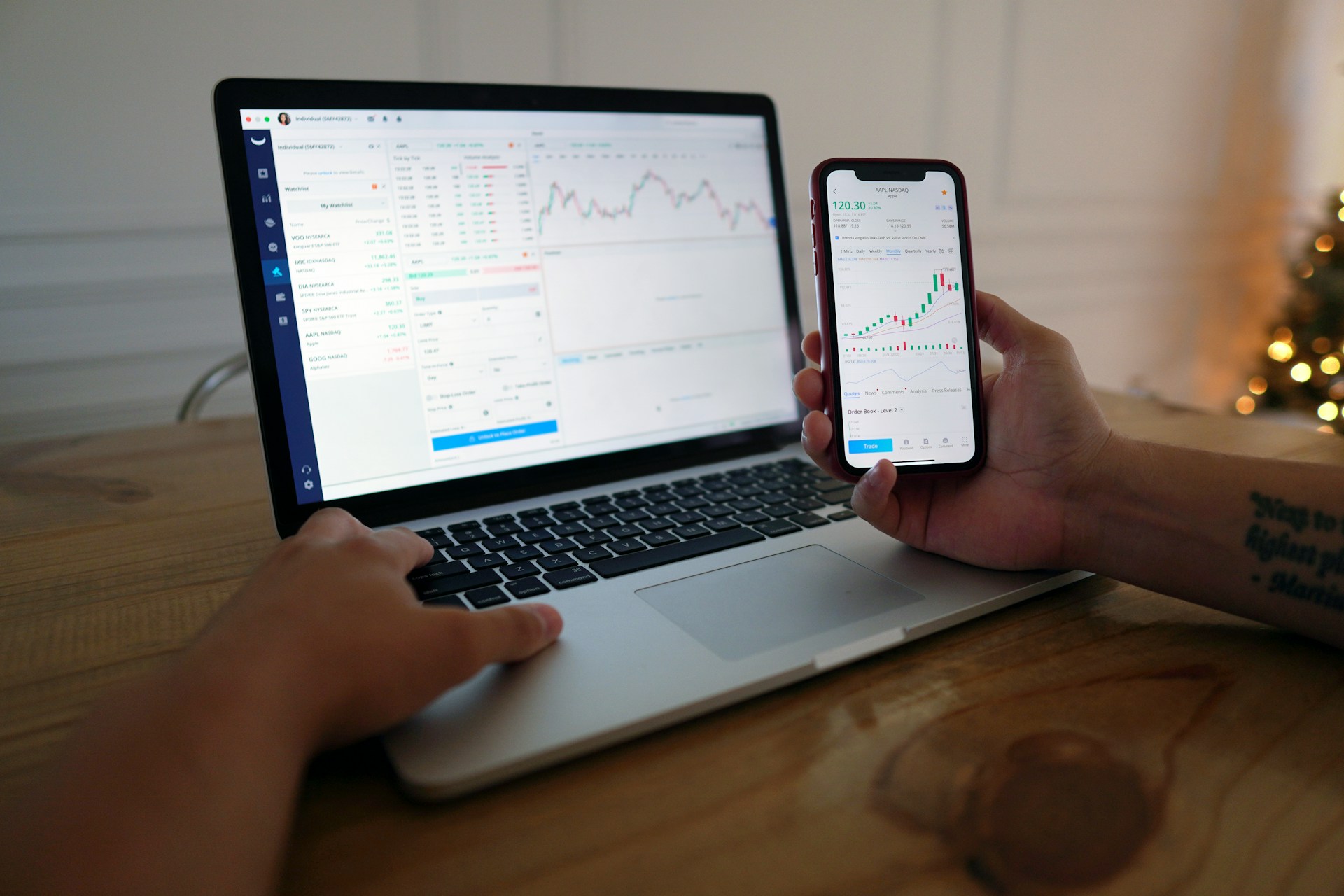
5. Continuous Learning and Global Awareness
Another thing an FX trader should understand is how to be globally aware and to learn continuously with all that’s happening in the trading industry. In doing so, you should always check the inflation reports, interest change, and political events.
At the same time, learning never stops for traders. Aside from staying informed about the changes that can affect the forex market, you should also attend training, seminars, and follow professional traders for new techniques and technological tools that can help improve your trading experience.
6. Independence and Accountability
As an FX trader, you can trade full-time or part-time depending on the level of commitment you have. This is why it’s also a great experience to trade forex. Aside from independence, you’re also accountable for every decision you make that can influence the results.
At the same time, there’s no single trading strategy that fits all. Even if you’re following the strategies of popular traders, you should still be able to craft your own.
Final Thoughts
As an FX trader, you get to be a part of the largest financial market in the world. Although it may sound overwhelming, embracing the profession can help you gradually gauge discipline, learn to analyse and adapt, and become successful.
 Freya Parker
  hightechsaini
  AlexWillson