
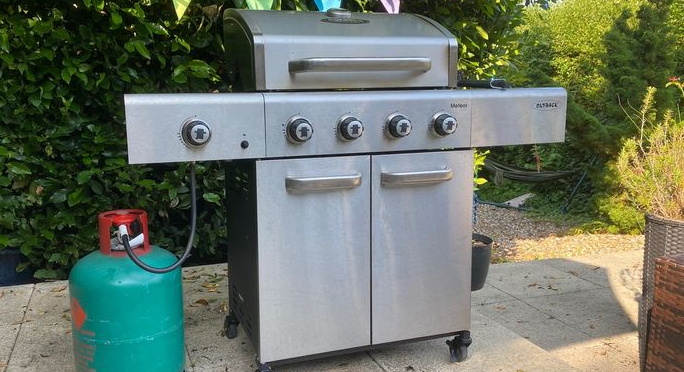
As we move deeper into 2026, outdoor living continues to be a cherished part of homes around the world. One of the most essential accessories for any backyard chef is a reliable gas barbecue bottle — the fuel source that powers delicious meals and unforgettable gatherings. With advancements in safety, materials, and convenience, choosing the right bottle can be confusing. This guide cuts through the noise to help you make an informed decision and enjoy better grilling experiences all year round.
Whether you’re a seasoned grill master or a first-time buyer, this comprehensive guide covers everything you need to know — from understanding types of gas bottles to safety tips, capacity choices, and maintenance advice. Let’s dive in.
What Is a Gas Barbecue Bottle?
A gas barbecue bottle — sometimes called a propane bottle or LPG (liquefied petroleum gas) cylinder — stores pressurized gas that fuels your barbecue grill. Unlike natural gas, which is supplied through pipelines, propane bottles are portable, refillable (or replaceable), and ideal for outdoor cooking.
Propane is popular because it burns hotter and cleaner than other fuels like charcoal, making it ideal for quick, efficient grilling.
Why Choosing the Right Gas Bottle Matters in 2026
Today’s consumers are more safety and efficiency-minded than ever. Choosing the right gas bottle affects:
-
Safety: Incorrect size or poor quality increases risk of leaks and accidents.
-
Grilling Performance: Too small a bottle means frequent replacements; too large can be heavy and inefficient.
-
Cost Efficiency: Using the correct bottle size and type can reduce fuel costs over time.
-
Environmental Impact: Newer bottles and fittings are designed to minimize gas waste and leaks, reducing carbon emissions.
In 2026, the best gas barbecue bottles also integrate features like smart leak indicators, ergonomic valves, and eco-friendly materials.
Types of Gas Barbecue Bottles
When buying a gas bottle for your barbecue in 2026, you’ll generally encounter three main types:
1. Standard Propane Bottles
These are the most common type. They’re refillable and come in various sizes.
Features:
-
Durable steel construction
-
Widely available refilling stations
-
Good balance of weight and capacity
Best for: Most household grills, casual entertainers, families.
2. Composite / Lightweight Bottles
Made from high-strength plastics or composite materials, these bottles are lighter and easier to handle.
Features:
-
Corrosion-resistant
-
Visually easier to check gas levels
-
Lighter weight improves portability
Best for: Portable grills, small patios, renters, rooftop users.
3. Exchangeable Bottles
These are usually offered by gas retailers where you swap an empty bottle for a full one.
Features:
-
No need to refill — just exchange
-
Minimal upfront cost
-
Convenient for casual users
Best for: Occasional grillers and first-time buyers.
Choosing the Right Size: Capacity Matters
One of the most important decisions is selecting the right bottle size. Sizes vary by region, but in many markets you will see:
| Bottle Size | Approx. Weight (Empty) | Ideal Use |
|---|---|---|
| 5 kg (11 lb) | ~5 kg | Small grills, balconies |
| 8 kg (18 lb) | ~7–8 kg | Medium grills, weekend cooking |
| 13 kg (28 lb) | ~11–12 kg | Larger family grills |
| 19 kg (42 lb) | ~15–18 kg | Frequent grilling, large gatherings |
How to Choose the Right Size
-
Small patios or balconies: A 5 kg bottle is compact and manageable.
-
Regular family use: 8–13 kg bottles strike a good balance.
-
Heavy or commercial use: 19 kg or larger bottles reduce refill frequency.
Tip: Larger bottles are heavy once full. If mobility is important, consider a lighter composite option or weigh convenience over capacity.
Material and Build Quality
The material of your gas bottle affects durability, safety, and maintenance:
Steel Bottles
-
Extremely strong
-
Great for long-term use
-
Require rust protection and regular checks
Composite Bottles
-
Corrosion-proof
-
Lightweight and sometimes transparent
-
More expensive upfront but easier to handle
What to Look For
-
Certified construction: Always choose bottles that meet international safety standards.
-
Protective coatings: Zinc or powder coatings prevent rust and weather damage.
-
Stable base: Look for a robust base to prevent tipping.
Safety Features to Look For in 2026
Safety should be your number one priority when buying a gas bottle. Here are features that modern bottles include:
1. Automatic Shut-Off Valves
These valves stop gas flow if there’s a sudden pressure drop or leak.
2. Integrated Leak Detectors
Some bottles have built-in sensors or indicators to alert you to leaks.
3. Overfill Protection Devices (OPD)
Required in many regions, OPDs prevent the bottle from being filled over 80%, reducing risk.
4. Child-Safe Valve Caps
A simple but valuable feature for families with children.
How to Check Gas Level Easily
Propane is stored as a liquid, so you can’t tell how much gas is inside by lifting — especially heavier bottles. Here are ways to check:
Warm Water Trick
Pour warm (not boiling) water along the side of the bottle. The gas inside cools the metal, creating a temperature difference you can feel — colder where the gas level is.
Built-In Gauges
Some modern bottles have gauges that show you how much gas remains.
Electronic Levels
Advanced sensors can give digital readouts or connect to apps.
Connecting Your Gas Bottle to Your Barbecue
Proper connection prevents leaks and enhances performance:
-
Check the regulator: Your grill should come with a compatible regulator.
-
Inspect hoses: Ensure they’re supple and crack-free.
-
Match thread sizes: Different countries use different thread standards — verify compatibility.
-
Use soapy water to test leaks: Bubbles appear if gas is escaping.
Important: Never use matches, flames, or sparks to test for leaks.
Refilling vs. Exchange: Which Is Better?
Refilling
-
Pros: Often cheaper per refill, environment-friendly, repeated use.
-
Cons: Requires a refill station nearby, longer wait times.
Exchange
-
Pros: Convenient, fast — just swap and go.
-
Cons: Can be more expensive over time and limited options.
Recommendation in 2026: If you grill frequently, a refillable bottle is usually more cost-effective and eco-friendly. If you grill occasionally, exchanging may be more convenient.
Maintenance Tips for Your Gas Bottle
Proper care extends the life of your bottle and keeps you safe:
1. Regular Inspection
Check for rust, dents, or corrosion. Inspect hoses and connections before each use.
2. Store Upright in a Ventilated Area
Never store bottles indoors or prone to heat. Keep them upright on stable ground.
3. Clean Connectors
Dirt or debris on connectors can compromise the seal. Wipe them regularly.
4. Replace Old Hoses
Hoses can degrade over time. Replace them every 3–5 years or sooner if damaged.
5. Keep Away from Flames
Even though the bottle feeds your grill, direct heat or open flames on the bottle body is dangerous.
Common Mistakes to Avoid
Here are pitfalls many buyers make — and how to avoid them:
Mistake #1: Buying Only on Price
Cheap bottles may lack safety features. Always balance cost with quality.
Mistake #2: Ignoring Compatibility
Your grill’s gas system must match the bottle’s regulator and fittings.
Mistake #3: Neglecting Safety Inspections
Skipping checks leads to leaks and hazards.
Mistake #4: Overfilling
Never overfill your bottle. It increases pressure and risk.
Eco-Friendly Considerations in 2026
Sustainable grilling is gaining popularity. Here’s how to make an eco-smart choice:
-
Refill Instead of Replace: Reduces waste.
-
Choose High-Efficiency Regulators: Less wasted gas means lower emissions.
-
Composite Bottles: These often have lower environmental impact during production.
-
Recycle Old Bottles: Many recycling centers accept empty steel bottles.
Frequently Asked Questions (FAQs)
Q1: How long does a gas barbecue bottle last?
Usage varies, but a standard 13 kg bottle can fuel a grill for around 8–15 hours of continuous use depending on the heat setting and grill size.
Q2: Can I transport a gas bottle in my car?
Yes, if upright and secured. Never leave it in a hot car for long periods.
Q3: Is propane safe for ceramic or pellet grills?
Yes, if your grill is designed for propane or equipped with the right conversion kit.
Final Tips Before You Buy
-
Match the bottle size to your grilling habits.
-
Verify safety certifications and regulatory compliance.
-
Opt for refillable whenever possible.
-
Check compatibility with your grill’s regulator and hoses.
-
Prioritize ease of use — especially if you move the grill often.
Conclusion
Choosing the right gas barbecue bottle in 2026 isn’t just about fuel — it’s about safety, convenience, performance, and long-term value. With advancements in materials and safety features, today’s bottles offer better efficiency, smarter design, and greater peace of mind than ever before.
Before buying, consider how often you grill, where you store your bottle, and whether portability matters. Understand your grill’s requirements and match them with a bottle that fits your lifestyle and budget.
Armed with the knowledge in this guide, you’re ready to shop confidently and enhance your grilling experience. A well-chosen gas bottle not only fuels great meals but also ensures every barbecue is safe, efficient, and enjoyable — making your outdoor cooking moments truly unforgettable.
 suzinassif009
  socialrootsai1
  tractor123