
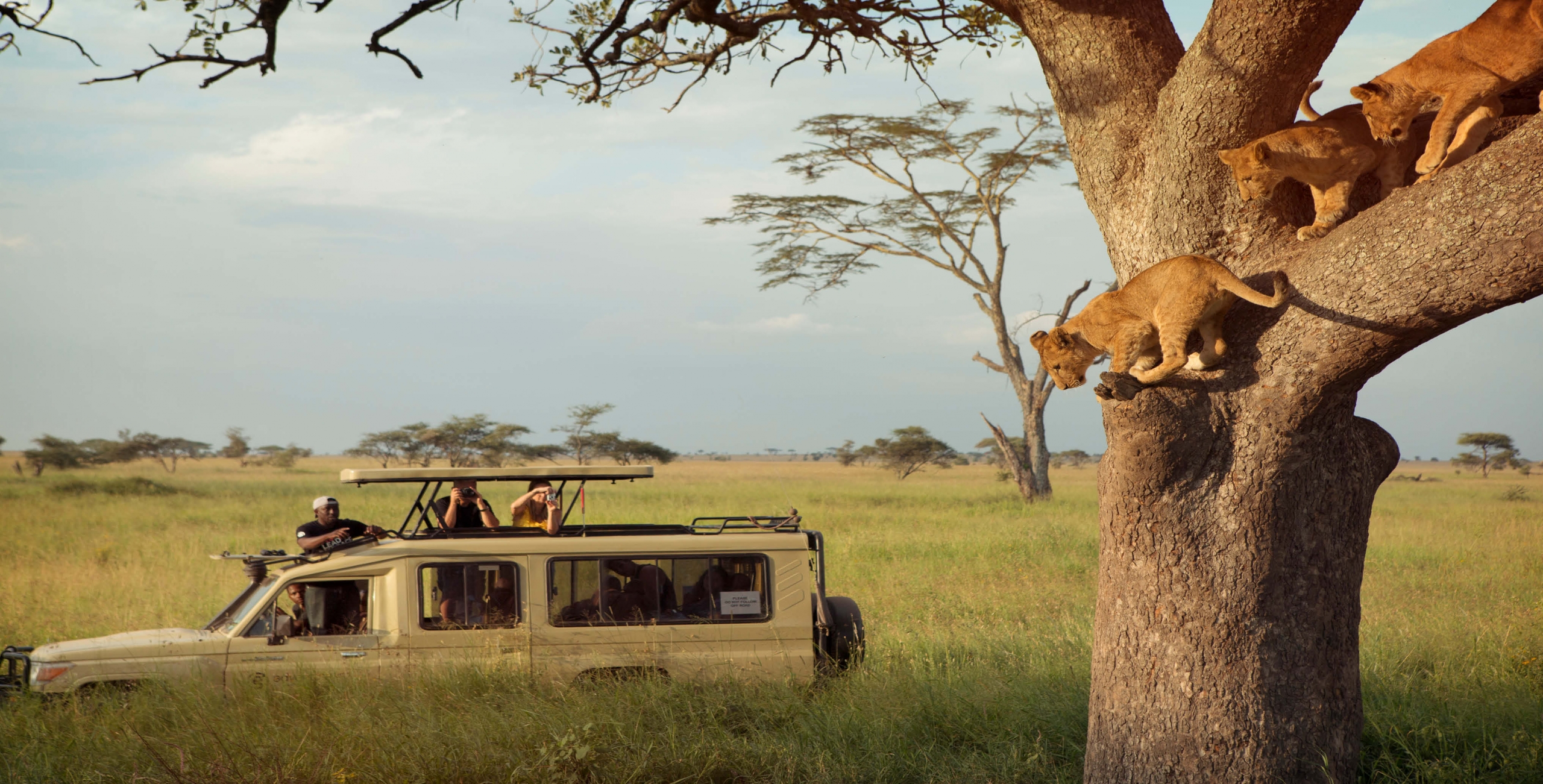
African animal migration is one of the most extraordinary natural events on Earth. Every year, millions of animals move across vast landscapes in search of food, water, and breeding grounds. From massive herds of grazing animals to long-distance bird travelers, african animal migration has shaped ecosystems for thousands of years. However, climate change is now altering these ancient patterns, raising serious questions about what the future holds for Africa’s wildlife.
Understanding African Animal Migration
African animal migration refers to the seasonal movement of wildlife across regions in response to environmental changes. These migrations are usually driven by rainfall, vegetation growth, temperature, and water availability. Animals have evolved to follow predictable cycles, allowing them to survive harsh dry seasons and take advantage of fertile grazing areas during wet periods.
Some migrations occur over short distances, while others span hundreds of kilometers. These movements not only benefit the animals themselves but also maintain healthy ecosystems by distributing nutrients, controlling vegetation growth, and supporting predator-prey balance.
The Role of Climate in Migration Patterns
Climate has always played a central role in african animal migration. Rainfall determines when grasslands flourish, rivers fill, and breeding seasons begin. Traditionally, wildlife could rely on relatively stable seasonal patterns to guide their journeys.
Today, climate change is disrupting these signals. Rising global temperatures, unpredictable rainfall, prolonged droughts, and extreme weather events are altering habitats faster than many species can adapt. As a result, migration routes that worked for generations are becoming unreliable.
How Climate Change Is Affecting African Animal Migration
Shifting Rainfall Patterns
One of the most significant impacts of climate change is irregular rainfall. In many parts of Africa, rainy seasons are starting later, ending earlier, or failing altogether. This disrupts african animal migration by reducing the availability of fresh grass and water along traditional routes.
When rains fail, animals may be forced to travel farther than usual, increasing exhaustion and mortality—especially among young and weak individuals.
Habitat Loss and Degradation
Climate change often works alongside human pressures such as agriculture expansion and infrastructure development. As land becomes less suitable for wildlife due to drought or flooding, animals lose critical stopover points used during migration.
Fragmented habitats make african animal migration more dangerous, forcing animals to cross human-dominated areas where they face fences, roads, and settlements.
Water Scarcity
Water sources like rivers, wetlands, and seasonal ponds are essential for migration. Prolonged dry periods cause these resources to dry up, leading to overcrowding at remaining water points. This increases competition, disease transmission, and conflict between species.
For migratory animals, water scarcity can mean the difference between survival and collapse.
Changes in Food Availability
Climate stress affects plant growth, which directly impacts grazing animals. Reduced or poor-quality vegetation weakens animals, lowers reproduction rates, and disrupts the timing of migrations. Predators are also affected, as they depend on healthy migratory prey populations.
Species Most at Risk
Not all species respond to climate change in the same way. Large migratory herbivores are particularly vulnerable because they depend on vast, connected landscapes. Birds that migrate across continents also face challenges as climate shifts affect breeding and feeding grounds far apart.
African animal migration involving slow-reproducing species is especially at risk, as population recovery becomes harder after climate-related losses.
The Ecological Consequences
The disruption of african animal migration has far-reaching ecological effects. When migrations decline or change routes, ecosystems lose essential services such as seed dispersal, nutrient cycling, and natural grazing control. This can lead to habitat degradation, invasive plant growth, and reduced biodiversity.
Healthy migration systems act like the heartbeat of African ecosystems. When that rhythm is disturbed, the entire environment feels the impact.
What the Future Holds for African Animal Migration
The future of african animal migration depends largely on how climate challenges are addressed. Some species may adapt by altering routes or timing, while others may face declining populations if changes happen too quickly.
Without intervention, scientists warn that many traditional migration routes could disappear within decades. However, there is still hope if conservation strategies evolve alongside climate realities.
Conservation and Climate Adaptation Solutions
Protecting Migration Corridors
Safeguarding large, connected landscapes is critical. Wildlife corridors allow animals to adjust routes in response to changing climate conditions. Protecting these pathways helps maintain the natural flow of african animal migration.
Climate-Smart Conservation
Conservation planning must now include climate projections. This means identifying future habitats, protecting water sources, and allowing flexibility for wildlife movement as conditions change.
Community Involvement
Local communities play a vital role in preserving migration routes. Sustainable land use, wildlife-friendly farming, and shared conservation benefits can reduce conflict and support long-term migration survival.
Research and Monitoring
Modern technology such as satellite tracking and climate modeling is helping scientists understand how african animal migration is changing. This data is essential for making informed conservation decisions.
Conclusion
African animal migration has endured for thousands of years, shaped by climate, geography, and instinct. Today, climate change presents one of the greatest challenges these ancient journeys have ever faced. While the risks are real, proactive conservation, climate adaptation, and global awareness can help protect this natural wonder.
 PrecisionProConstruction
  tractor123
  Freya Parker