
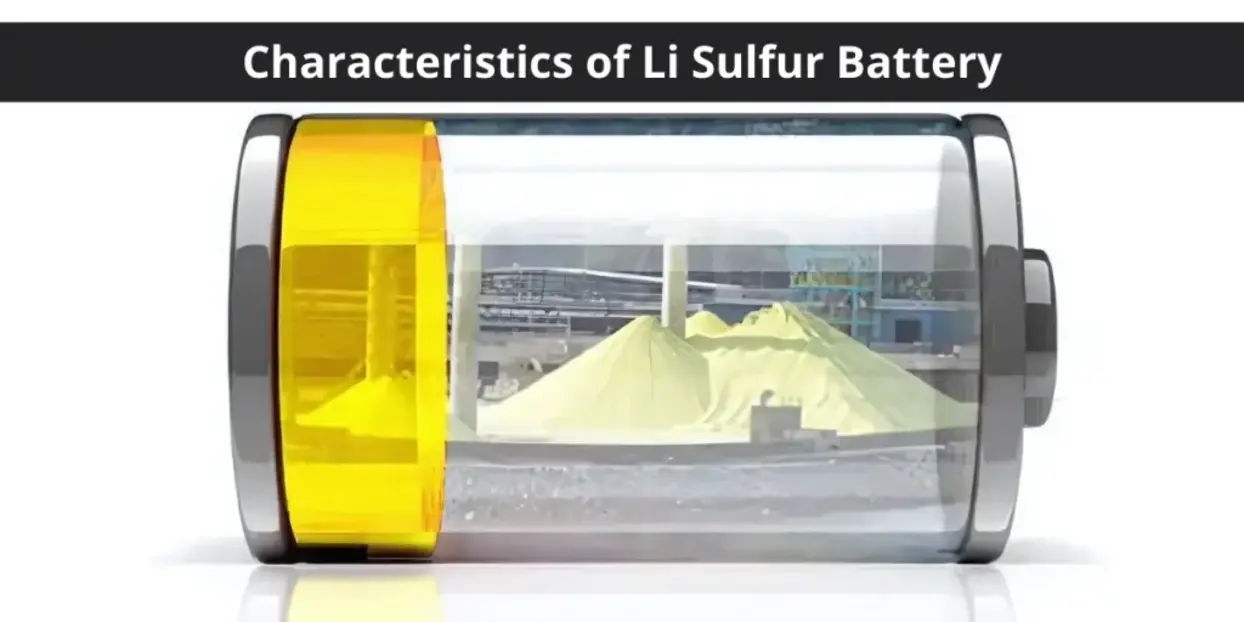
The Growing Importance of Sulfur in Energy and Battery Technologies – As the global energy sector moves toward cleaner, more efficient systems, material choices are becoming just as important as the technologies themselves. One material gaining renewed attention is sulfur. Long associated with traditional industries such as fertilizers and chemicals, sulfur is now emerging as a critical component in modern energy solutions, particularly in advanced Battery Technologies.
This shift is not accidental. Sulfur offers a rare combination of abundance, low cost, and chemical versatility. As energy storage demands increase worldwide, sulfur-based innovations are helping to address challenges around performance, sustainability, and supply security.
Why Sulfur Matters in the Energy Transition
Sulfur is one of the most widely available industrial elements, largely produced as a byproduct of oil and gas refining. For years, excess sulfur supply posed a disposal challenge. Today, that surplus is becoming an opportunity.
In energy applications, sulfur’s high energy density and electrochemical properties make it attractive for next-generation batteries. Compared with conventional materials, sulfur can store significantly more energy by weight, an essential factor as industries push for lighter, more efficient storage solutions.
At the same time, sulfur-based systems reduce reliance on scarce or geopolitically sensitive materials. This aligns well with global goals to build more resilient and diversified energy supply chains.
Sulfur’s Role in Advanced Battery Technologies
Among emerging Battery Technologies, lithium-sulfur (Li-S) batteries are attracting the most attention. These batteries promise energy densities far beyond traditional lithium-ion systems, making them particularly appealing for electric vehicles, aviation, and grid-scale storage.
Sulfur acts as the cathode material in Li-S batteries, replacing expensive metals such as cobalt or nickel. This substitution brings both economic and environmental advantages. Sulfur is inexpensive, widely available, and easier to source responsibly.
However, sulfur-based batteries are not without challenges. Issues such as limited cycle life and the “polysulfide shuttle effect” have historically restricted commercialization. Recent advances in material engineering, electrolyte design, and sulfur composites are steadily overcoming these barriers.
Beyond Lithium-Sulfur: Broader Energy Applications
Sulfur’s relevance goes beyond lithium-sulfur batteries. It is also being explored in sodium-sulfur batteries, which are well-suited for large-scale energy storage applications. These systems are already in use in some grid installations, valued for their long life and ability to store large amounts of energy reliably.
In addition, sulfur is playing a role in thermal energy storage, hydrogen production, and advanced catalysts used in clean fuel processing. These applications highlight sulfur’s adaptability across different segments of the energy landscape.
For companies operating in energy and materials markets, this broad applicability opens new avenues for product development and diversification.
Product Innovation and Quality Considerations
As sulfur moves into high-performance energy applications, product quality becomes increasingly important. Battery-grade sulfur requires strict control over purity, particle size, and chemical consistency. Impurities that may be acceptable in traditional industrial uses can significantly impact battery performance and lifespan.
Producers and suppliers are responding by developing specialized sulfur products tailored for Battery Technologies and energy storage systems. These products often involve advanced purification processes and customized formulations to meet the exact requirements of battery manufacturers.
For end users, working with suppliers that understand both sulfur chemistry and energy applications is critical. Technical support, consistent supply, and transparent specifications can make the difference between a promising prototype and a scalable commercial solution.
Sustainability and Environmental Impact
Sustainability is a central driver behind sulfur’s growing role in energy technologies. Using sulfur in batteries helps repurpose an existing industrial byproduct, reducing waste and lowering the overall environmental footprint of energy storage systems.
Moreover, sulfur-based batteries have the potential to simplify recycling processes. Unlike batteries that rely heavily on rare or toxic metals, sulfur systems may offer safer and more environmentally friendly end-of-life options.
As regulations tighten and customers demand cleaner solutions, sulfur’s sustainability profile becomes a strong competitive advantage.
Practical Advice for Industry Stakeholders
For companies involved in energy, materials, or manufacturing, now is the time to evaluate how sulfur fits into long-term strategies. This includes monitoring developments in Battery Technologies, investing in R&D partnerships, and ensuring access to high-quality sulfur products.
Battery developers should focus on material compatibility, testing sulfur grades early in the design process, and collaborating closely with suppliers. Meanwhile, sulfur producers can add value by offering application-specific products and technical expertise rather than commodity-only solutions.
Staying informed and adaptable will be key as sulfur-based technologies move from research labs into commercial markets.
Looking Ahead
The growing importance of sulfur in energy and battery technologies reflects a broader shift in how industries think about materials. What was once considered a low-value byproduct is becoming a cornerstone of innovation in energy storage.
As Battery Technologies continue to evolve, sulfur is likely to play an even greater role in enabling cleaner, more efficient, and more affordable energy systems worldwide. For businesses prepared to engage with this transformation, sulfur represents not just a material, but a strategic opportunity.
Article about ” The Growing Importance of Sulfur in Energy and Battery Technologies ” post by: toko sulfur – belirangkalisari.id
 webguruz
  mastersoftware
  Sulina1