
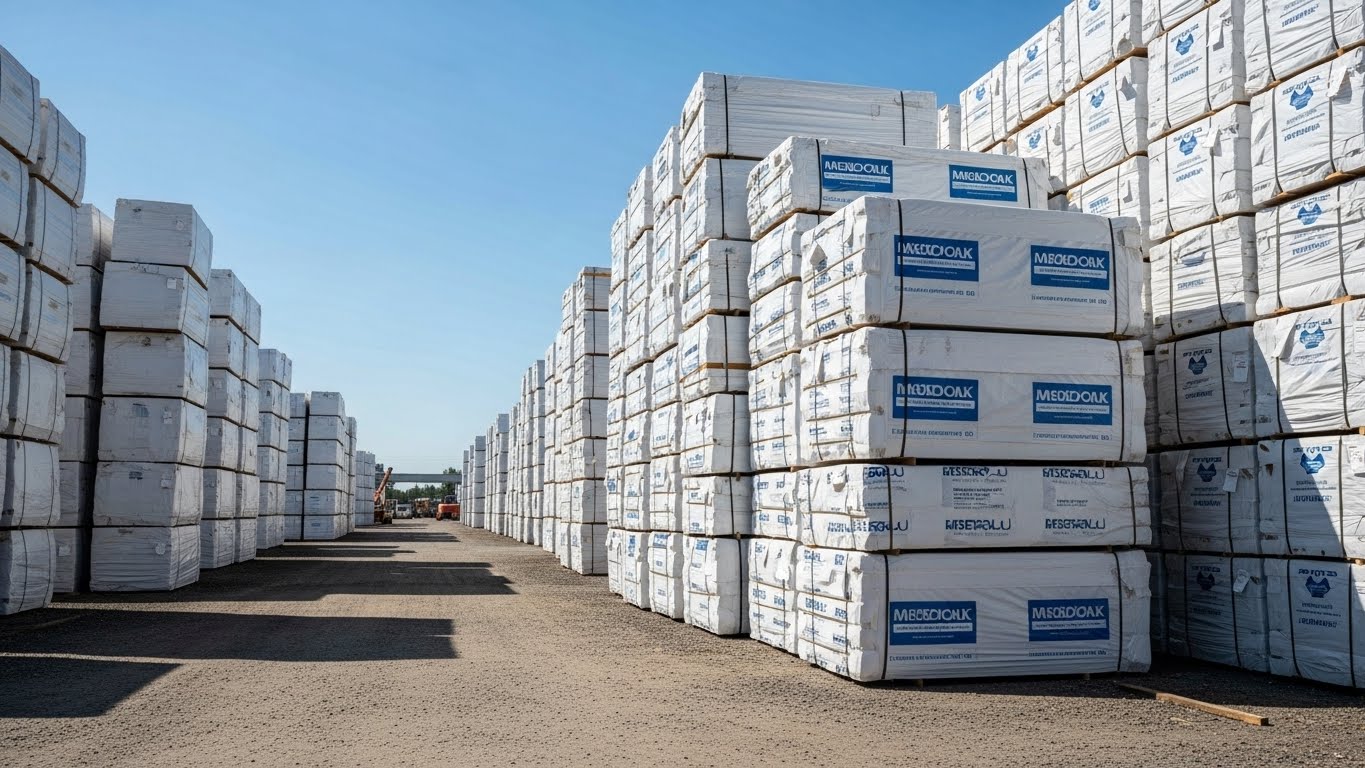
Wood is a natural, valuable, and widely used building material, but it is also highly sensitive to environmental conditions. From sawmills and lumber yards to construction sites and export terminals, lumber is exposed to moisture, UV radiation, dirt, and mechanical damage throughout the supply chain. Without proper protection, these factors can lead to warping, mold growth, surface staining, and material loss.
This is why modern lumber wrap has become an essential packaging solution across the lumber wrap USA market. Designed to protect wood products during storage and transport, lumber wrap made from woven polypropylene roll material offers durability, breathability, and long-term performance that traditional coverings cannot match.
What Is Lumber Wrap?
Lumber wrap is a protective packaging material used to cover bundles of lumber, plywood, timber, and engineered wood products. It is applied immediately after processing or bundling to shield wood from external elements during handling, storage, and transportation.
Modern lumber wrap is typically manufactured from woven polypropylene fabric, often laminated or coated to provide additional weather resistance while maintaining controlled airflow.
Why Lumber Needs Specialized Protection
Unlike many industrial products, wood continues to react to its environment even after processing. Changes in humidity and temperature can cause:
- Moisture absorption leading to swelling and mold
- Excessive drying resulting in cracking and warping
- UV exposure causing discoloration and surface degradation
- Dirt and debris contamination during transport
- Physical damage from abrasion and handling
In the USA lumber supply chain, where wood products often travel long distances and face varying climates, proper wrap protection is critical to maintaining quality and reducing waste.
Role of Woven Polypropylene Roll in Lumber Wrap
A woven polypropylene roll is the foundation of modern lumber wrap systems. Polypropylene is a lightweight yet strong polymer that can be woven into fabric with high tensile strength and tear resistance.
Why Woven Polypropylene Is Ideal for Lumber Wrap
Woven polypropylene rolls offer several advantages that make them suitable for lumber protection:
- High strength to withstand tight wrapping and handling
- Resistance to tearing, punctures, and abrasion
- Lightweight structure that does not add excess load
- Excellent moisture resistance
- Compatibility with lamination and UV stabilization
These properties ensure that lumber remains protected throughout storage and transportation without compromising handling efficiency.
Protection Against Moisture and Weather
One of the most important functions of lumber wrap is moisture control. Wood exposed to rain, snow, or humidity can develop mold, mildew, and fungal growth, leading to rejection or downgrading.
Modern lumber wrap made from woven polypropylene roll material is often laminated or coated to repel water while still allowing limited breathability. This balance prevents water penetration while reducing condensation buildup inside the wrap.
For outdoor storage yards across the lumber wrap USA market—where lumber may sit exposed for weeks or months—this moisture resistance is critical.
UV Protection and Long-Term Storage Benefits
Extended exposure to sunlight can damage unprotected lumber by causing surface discoloration and degradation. To address this, many lumber wraps include UV-stabilized polypropylene, which slows material breakdown and protects the wood underneath.
UV-stabilized woven polypropylene rolls allow lumber to be stored outdoors for extended periods without compromising appearance or performance. This is especially important for distributors and suppliers managing large inventories.
Durability During Transport and Handling
During transportation, lumber bundles are frequently handled by forklifts, cranes, and flatbed trucks. Rough handling can easily tear low-quality coverings, leaving wood exposed.
Woven polypropylene lumber wrap provides:
- High tear resistance during loading and unloading
- Strong edge stability to protect corners
- Resistance to abrasion from straps and movement
- Secure containment of bundled products
This durability reduces packaging failure and minimizes damage-related losses during transit.
Breathability and Mold Prevention
While moisture resistance is essential, completely sealing wood in non-breathable plastic can trap humidity, increasing the risk of mold. Modern lumber wrap solves this problem through engineered breathability.
Woven polypropylene fabric allows controlled air circulation, helping regulate moisture levels inside the wrap. This reduces condensation buildup and supports healthier storage conditions for lumber.
This feature is especially valuable in the USA lumber market, where wood may be transported across regions with varying climates.
Custom Printing and Identification
In addition to protection, lumber wrap also serves as a branding and identification tool. Woven polypropylene rolls can be printed with:
- Company logos
- Product specifications
- Handling instructions
- Barcodes and tracking information
For lumber suppliers and distributors in the USA, printed lumber wrap improves traceability, brand visibility, and supply chain efficiency.
Sustainability and Environmental Considerations
Sustainability is becoming increasingly important in the construction and building materials industry. Woven polypropylene lumber wrap supports environmental goals by offering:
- Reusable packaging options
- Recyclable polypropylene material
- Reduced product waste due to better protection
- Longer service life compared to disposable coverings
By minimizing lumber damage and reducing the need for reprocessing or disposal, modern lumber wrap contributes to more sustainable operations.
Why Lumber Wrap Is Standard in the USA Market
Across the lumber wrap USA supply chain, modern wrap solutions are no longer optional—they are a standard requirement. From sawmills and distributors to builders and exporters, consistent lumber protection ensures:
- Higher product quality upon delivery
- Fewer claims and returns
- Improved customer satisfaction
- Better inventory management
- Reduced financial losses
The use of woven polypropylene roll–based lumber wrap has become an industry best practice for these reasons.
Choosing the Right Lumber Wrap
When selecting lumber wrap, buyers should consider:
- Fabric weight and strength
- UV stabilization level
- Moisture resistance and breathability
- Roll width and length
- Printing and customization options
- Consistency and quality of the woven polypropylene roll
Choosing the right specifications ensures optimal protection based on storage duration, transport distance, and environmental exposure.
Modern lumber wrap plays a critical role in protecting wood during storage and transport. By using high-quality materials such as woven polypropylene roll, lumber wrap provides the strength, weather resistance, and breathability required to preserve wood quality throughout the supply chain.
In the lumber wrap USA market, where wood products face diverse climates and long transport routes, advanced wrap solutions help reduce damage, control moisture, and extend product lifespan. As the industry continues to prioritize efficiency, sustainability, and quality assurance, modern lumber wrap remains an essential investment for lumber producers, distributors, and construction suppliers alike.
 AlexWillson
  kmkventures