
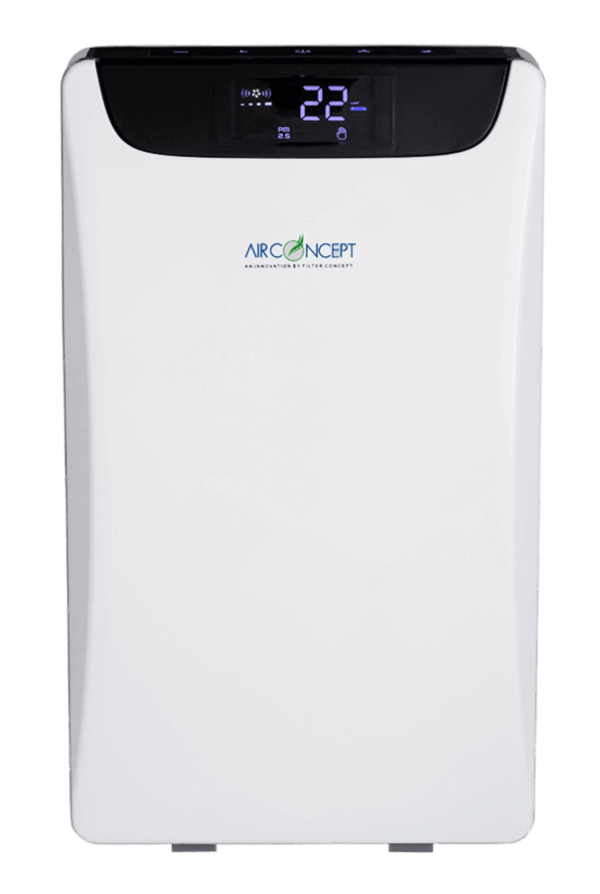
Indoor air quality has become one of the most discussed topics in India over the last few years. With increasing pollution, allergens, and harmful particles finding their way into our living spaces, the need for a reliable air purifier for home in India has never been more urgent. From metropolitan cities struggling with haze to smaller towns dealing with seasonal dust and smoke, homeowners are actively searching for practical solutions to breathe cleaner and healthier air.
This comprehensive guide explores how air purifiers work, why they are essential for Indian households, what features you should look for, and which types suit different home environments. By the end of this article, you will have complete clarity on choosing the right device for your family’s health and lifestyle.
Why Indoor Air Quality Matters in Indian Homes
Most people assume pollution exists only outdoors. But numerous studies show that indoor air can be up to five times more polluted than outdoor air, primarily due to trapped contaminants. This is especially true in Indian homes for several reasons:
1. Increasing Outdoor Pollution
Major cities like Delhi, Mumbai, Kolkata, Ahmedabad, and Bengaluru frequently experience high AQI levels due to traffic fumes, industrial emissions, burning of crop residue, and construction dust. These pollutants easily enter homes through open windows, ventilation gaps, and even clothing.
2. Dust and Particulate Matter
Dust is a constant presence in Indian households because of climatic conditions, unpaved areas, and high foot traffic. Fine dust particles (PM2.5 and PM10) stay suspended in the air and can cause respiratory issues, especially for children and elderly members.
3. Pet Dander and Allergens
Homes with dogs, cats, or birds often experience floating pet hair and dander, which can trigger allergies and breathing difficulties.
4. Indoor Activities
Cooking fumes, incense sticks, mosquito coils, cleaning chemicals, and smoking add to indoor pollutants. Many homes use LPG stoves and deep-fried cooking styles, which produce harmful particles and VOCs.
5. Seasonal Pollutants
During winter, smog and low humidity trap pollutants inside homes. During monsoons, mold growth becomes common due to dampness, leading to breathing discomfort.
An air purifier for home in India helps counter all these issues by removing harmful particles and improving indoor air quality effectively.
How an Air Purifier Works
Before investing in one, it’s important to understand how an air purifier functions. Most modern air purifiers follow a simple mechanism:
1. Air Intake
The device pulls surrounding air into its filtration system.
2. Multi-Stage Filtration
The air passes through several filters designed to trap dust, allergens, smoke, chemicals, and microorganisms.
3. Clean Air Output
Purified air is released back into the room, reducing pollution levels and improving breathing comfort.
Advanced models also offer real-time monitoring, automatic speed adjustments, and smart connectivity.
Types of Filters Used in Air Purifiers
When searching for the best air purifier for home in India, pay close attention to the types of filters used. Filters determine how efficiently the device removes pollutants.
1. HEPA Filter (Most Important)
A True HEPA filter captures up to 99.97% of particles as small as 0.3 microns, including:
-
PM2.5 particles
-
Dust
-
Pollen
-
Mold spores
-
Pet dander
For Indian pollution conditions, a True HEPA filter is non-negotiable.
2. Activated Carbon Filter
This filter removes:
-
Odors
-
Smoke
-
Harmful gases
-
VOCs from paints, cleaners, and cooking
Indian kitchens and households benefit greatly from activated carbon layers.
3. Pre-Filter
A pre-filter captures larger particles like hair, visible dust, and lint.
It extends the life of HEPA and carbon filters.
4. UV Light Filter
Some air purifiers use UV-C light to kill germs and bacteria, adding an extra layer of sanitization.
5. Ionizer Technology
Ionizers release negative ions that make particles settle, but some models produce ozone, which is not safe.
Always check if the ionizer is ozone-free before buying.
Benefits of Using an Air Purifier in Indian Homes
Investing in a good air purifier provides long-term health and lifestyle benefits, such as:
1. Improved Respiratory Health
People suffering from asthma, bronchitis, and allergies experience significant relief once their indoor air is free from harmful pollutants.
2. Better Sleep Quality
Air purifiers remove airborne irritants that cause sneezing, coughing, and throat irritation at night.
3. Protection for Children and Elderly
Kids and older adults have weaker immune systems. Clean air helps reduce infections and breathing problems.
4. Reduction in Dust Levels
A purifier reduces dust accumulation, making cleaning easier and keeping furniture dust-free longer.
5. Odor Removal
It removes persistent odors from cooking, pets, smoke, and moisture.
6. Defense Against Seasonal Pollution
Especially during winter smog and post-Diwali pollution, a purifier becomes essential for breathing safely.
Key Features to Look for When Buying an Air Purifier for Home in India
Not every air purifier is suitable for Indian conditions. Here are features you must check:
1. Coverage Area
Choose a purifier based on the size of your room.
Small rooms: 150–250 sq ft
Medium: 250–400 sq ft
Large: above 400 sq ft
2. CADR (Clean Air Delivery Rate)
Higher CADR means faster purification.
A minimum of 200–300 m³/h is recommended for Indian homes.
3. HEPA Grade
Prefer True HEPA (H13 or H14) for effective filtration.
4. Filter Replacement Cost
Before purchasing, check how often filters need replacement and their pricing.
5. Noise Levels
Quiet models (20–40 dB) are suitable for bedrooms.
6. Energy Efficiency
Look for purifiers with low power consumption for long-term usage.
7. Real-Time AQI Display
This shows the quality of air inside your home in real time.
8. Smart Features (Optional)
-
Wi-Fi connectivity
-
App control
-
Auto mode
-
Sleep mode
These enhance convenience but are not mandatory.
Where Should You Place an Air Purifier?
Placement plays a crucial role in performance. Follow these tips:
-
Keep it in a room you spend the most time in—bedroom or living room.
-
Avoid placing it behind furniture or near walls.
-
Ensure at least 1–2 feet of space around the unit.
-
Do not place it near humidifiers to prevent filter damage.
Best Rooms to Use an Air Purifier in India
1. Bedrooms
Since we spend 7–9 hours a night sleeping, this is the most important area for clean air.
2. Living Rooms
High foot traffic means more dust and pollutants.
3. Kitchen (Optional)
Helps reduce cooking fumes and odors but ensure proper ventilation.
4. Baby Rooms
Newborns benefit greatly from purified air because their lungs are still developing.
Maintenance Tips for Air Purifiers
To ensure long-lasting performance:
-
Clean pre-filters every 2–4 weeks
-
Replace HEPA filters every 8–12 months
-
Keep the device dust-free
-
Avoid scented cleaning sprays near the purifier
-
Run the purifier for at least 8–10 hours daily during high-pollution days
Why Air Purifiers Are Becoming a Necessity in India
Several factors have accelerated the need for air purifiers:
1. Rapid Urbanization
Expanding cities contribute to increasing air pollution.
2. Post-Pandemic Awareness
People have become more conscious of respiratory health and hygiene.
3. Lifestyle Changes
Work-from-home culture means more hours indoors, making indoor air quality a priority.
4. Extreme Weather Patterns
Winter smog, summer dust storms, and monsoon mold growth make air purifiers essential year-round.
Common Myths About Air Purifiers
Myth 1: Air Purifiers Work Immediately
Purification takes time—typically 30 minutes to 2 hours depending on room size.
Myth 2: They Remove All Germs
Purifiers reduce pollutants but cannot replace ventilation or regular cleaning.
Myth 3: You Don’t Need an Air Purifier if Windows Stay Closed
Pollutants enter homes through cracks, fabrics, and cooking activities.
Myth 4: All Air Purifiers Are the Same
Performance varies significantly based on filter quality and airflow design.
Conclusion: Choosing the Right Air Purifier for Home in India
With rising pollution and health concerns, an air purifier for home in India is no longer a luxury—it’s a necessity. Whether you’re dealing with dust, smog, allergens, pet dander, or persistent odors, the right purifier can dramatically improve your indoor air quality.
When choosing a model, prioritize:
-
True HEPA filtration
-
Strong CADR
-
Reasonable filter replacement cost
-
Suitable coverage area
-
Quiet operation
Investing in a reliable air purifier is an investment in your family’s well-being, comfort, and long-term health. Clean air is not just a lifestyle upgrade—it is a basic requirement for a healthier life, especially in the ever-changing environmental conditions of India.
Read other Blogs- https://digital24hour.com/which-children-benefit-most-from-a-feeding-therapy-clinic/
 eugeniaafanador
  akappliancerepair