
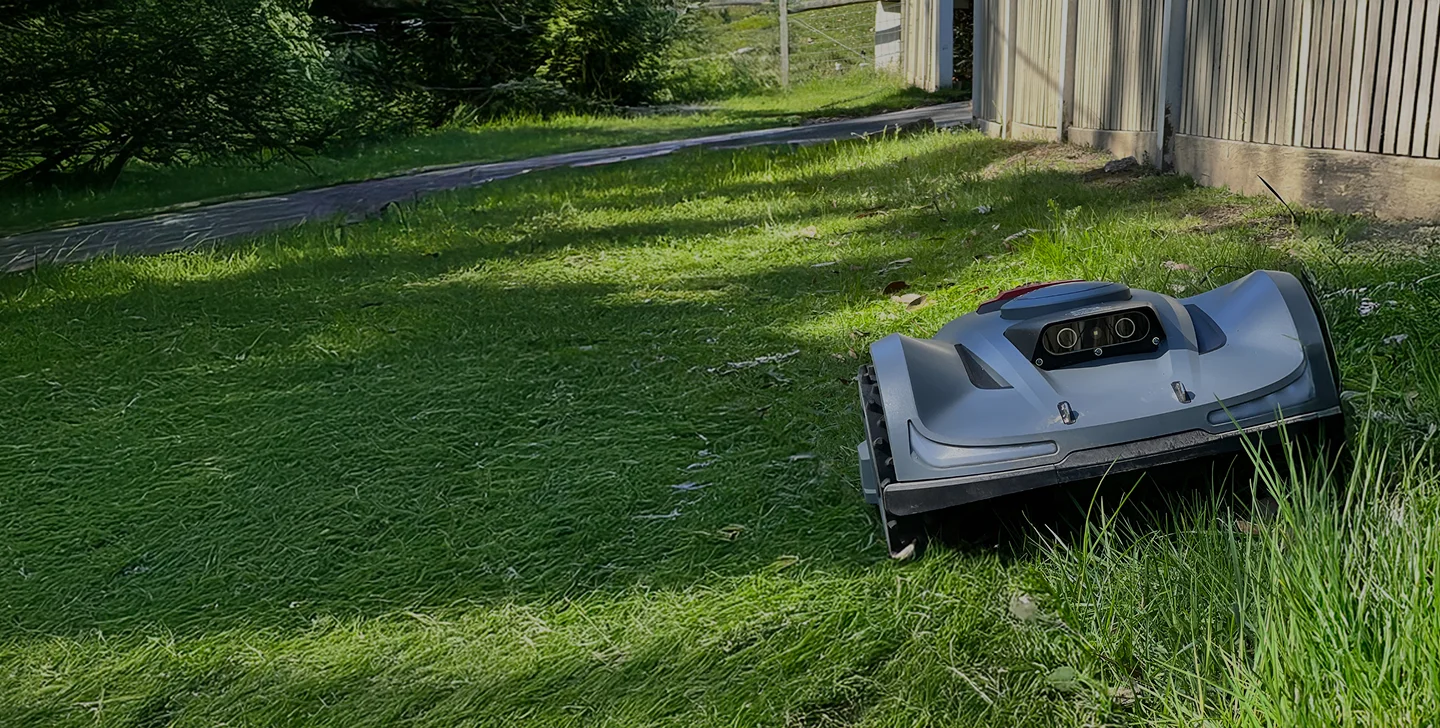

Healthy lawns are an important feature of Australian homes. Whether it’s backyard cricket, weekend barbecues, or simply enjoying a clean, green outdoor space, a well-kept lawn makes a big difference. But maintaining turf that stays lush and healthy across Australia’s varying climates isn’t easy. With strong heat, unpredictable rainfall, and fast-growing grasses, homeowners often look for tools that make lawn care easier and more effective.
As robotic mowing becomes more mainstream, many Australians want to know whether these machines genuinely improve lawn health. Do they support growth? Do they make grass thicker? Are they suitable for Australian conditions? The answer is yes—robotic mowers are designed in a way that naturally encourages better turf strength, colour, and density. And for anyone using a robot mower in Australia, the benefits often become even more noticeable due to the country’s climate and grass varieties.
How Robotic Mowers Support Lawn Health
Robotic mowers cut differently from traditional petrol or push mowers. Instead of chopping off large amounts of grass once a week, they trim small amounts frequently. This simple difference leads to healthier grass, better soil, and more consistent growth.
Below are the main ways robotic mowing contributes to a stronger, greener lawn.
1. Frequent Light Trimming Creates Thicker Turf
Australian grasses such as Buffalo, Kikuyu, Couch, and Zoysia respond extremely well to frequent cutting. When trimmed lightly each day:
- The lawn spreads sideways
- Gaps fill in naturally
- Patchiness reduces
- Growth becomes smoother
This gradual thickening effect gives the lawn a dense, carpet-like finish that occasional manual mowing rarely achieves.
2. Mulching Adds Natural Nutrients to the Soil
Robot mowers chop clippings into tiny pieces and drop them back into the lawn. These micro-clippings break down rapidly and return nutrients to the soil.
This supports:
- Strong soil biology
- Better moisture retention
- Reduced need for fertilizer
- Steady nutrient cycling
In regions with dry conditions or sandy soils, this natural mulching is especially valuable.
3. Clean Cuts Improve Grass Health
Many traditional mowers tear the grass when their blades become blunt. This leads to brown tips, dryness, and slower recovery. Robot mowers use small, sharp blades that cut cleanly each time.
Clean cutting results in:
- Healthier grass blades
- Fewer brown patches
- Reduced disease risk
- Stronger, longer-lasting colour
The lawn heals faster and maintains a fresher appearance.
4. Lightweight Design Protects the Soil
Heavy mowers commonly compact the soil, especially in clay-rich or dry Australian ground. Compaction limits water, air, and nutrients from reaching roots.
Robot mowers avoid this issue because they weigh significantly less. Their gentle movement protects:
- Soil structure
- Root growth
- Water flow
- Overall lawn resilience
Healthy soil allows the lawn to grow deeper and stronger roots.
5. Even Cutting Maintains Uniform Growth
Uneven mowing often causes scalping, inconsistent colour, and irregular growth. Robot mowers maintain a stable height across the entire lawn because they operate in overlapping patterns.
This leads to:
- Balanced growth
- Even colour
- Fewer high and low spots
- A cleaner, tidier finish
A uniform lawn also reduces heat stress during peak summer.
6. Better Heat Management During Australian Summers
Australia’s harsh summers are one of the biggest threats to lawn health. Sudden temperature spikes quickly dry out soil and weaken grass. Robot mowers help indirectly by keeping the lawn at a steady, protective height.
This supports:
- Slower evaporation
- Cooler soil
- Stable moisture levels
- Less shock during heatwaves
A consistently trimmed lawn handles heat far better than a lawn cut aggressively all at once.
7. Stronger Root Systems for Long-Term Growth
When grass is stressed by rough mowing, it focuses energy on repairing blades instead of strengthening roots. Robot mowers avoid that stress entirely, allowing the lawn to invest energy where it matters most.
Stronger roots help the turf:
- Absorb water efficiently
- Store nutrients
- Resist heat stress
- Stay green year-round
Deep roots are the foundation of lawn resilience.
8. Natural Weed Suppression
Weeds thrive in bare or thin patches. Robot mowers encourage thick, dense turf that blocks sunlight from reaching weed seeds.
This naturally reduces:
- Weed germination
- Broadleaf spread
- Unwanted grass invasion
- Seasonal weed outbreaks
Over time, the lawn becomes healthier and more dominant.
9. Helps Minimise Thatch Build-Up
Large clippings left by manual mowers often contribute to thatch. Robot mowers avoid this because their clippings decompose quickly and don’t accumulate into thick layers.
Low thatch means:
- Better airflow
- Improved drainage
- Healthier microbial activity
- Less risk of fungal issues
Balanced thatch helps grass roots grow freely.
Are Robot Mowers Enough for Complete Lawn Care?
Robot mowers significantly reduce manual maintenance, but they don’t eliminate every task. You may still need to handle:
- Edging around fences and garden beds
- Seasonal fertilising
- Aeration if soil becomes compacted
- Clearing debris from the lawn
- Occasional deep watering
These tasks complement robotic mowing and keep the lawn in peak condition, especially during seasonal extremes.
Final Verdict: Yes, Robot Mowers Support Lawn Growth
Robot mowers are highly effective for supporting lawn health and long-term growth in Australian conditions. Their consistent cutting patterns, natural mulching, clean slicing, and lightweight movement create the ideal environment for grass to thrive. While they don’t replace every maintenance task, they dramatically reduce work while improving lawn quality.
For homeowners seeking a greener, thicker, and healthier lawn without constant manual mowing, robotic mowing is one of the best modern lawn-care tools available.
 Freya Parker
  lavanyareddy
  gwendpots