
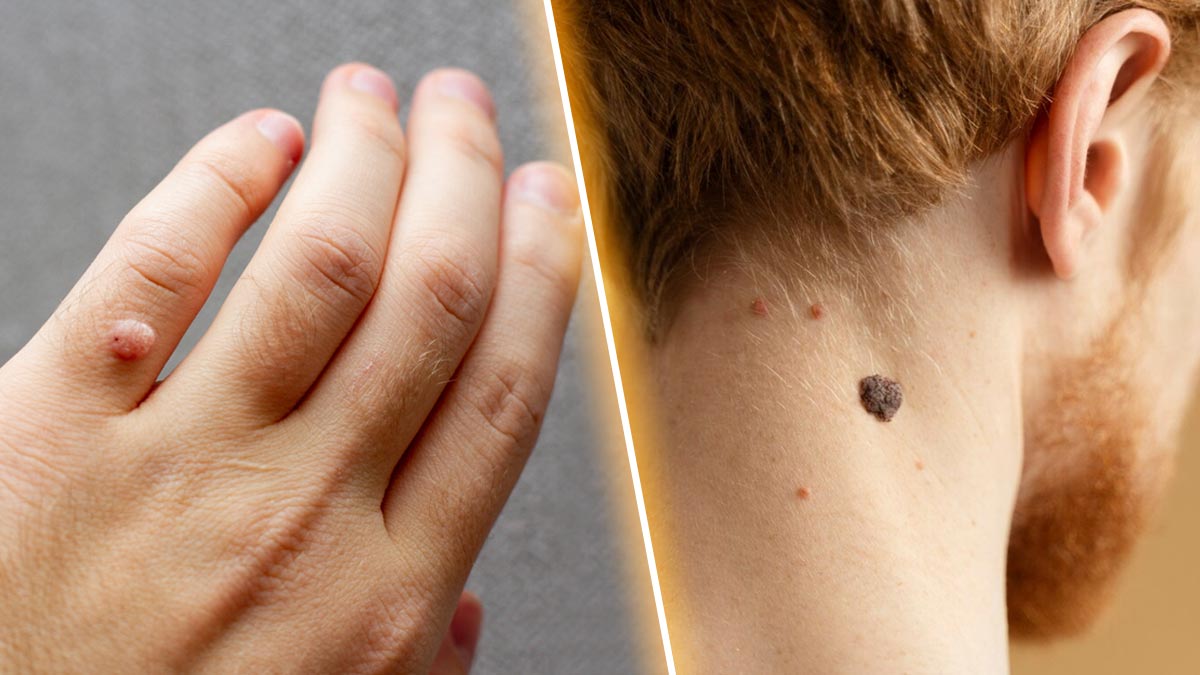
Skin is the largest organ of the human body, performing essential functions from protection to regulation. However, it can sometimes develop harmless growths, one of the most common being skin tags. These small, soft, flesh-colored protrusions often appear on areas like the neck, armpits, and eyelids. Many people notice them and wonder, “Are Skin Tags Contagious?” Understanding the nature of skin tags and how they develop is essential for maintaining proper skin health and overall wellness.
What Are Skin Tags?
Skin tags, medically known as acrochordons, are benign growths composed of loose collagen fibers and blood vessels surrounded by skin. They are typically small, ranging from a few millimeters to a centimeter in size, and tend to appear in areas where the skin folds or experiences friction. Though harmless, their appearance can be concerning, especially if they grow in noticeable areas.
These growths are soft to the touch and often painless unless irritated by clothing, jewelry, or skin rubbing against skin. Unlike warts or moles, skin tags are not caused by viruses or harmful microorganisms, making them medically benign. Despite their harmless nature, many people still ask, “Are Skin Tags Contagious?”
Causes of Skin Tags
Understanding what causes skin tags helps clarify whether they are contagious. Skin tags primarily form due to skin friction and hormonal changes. Common factors include:
-
Genetics: Some individuals are more predisposed to developing skin tags.
-
Obesity: Extra skin folds increase friction, leading to skin tag formation.
-
Hormonal changes: Pregnancy and other hormonal fluctuations may trigger their growth.
-
Age: Middle-aged and older adults are more likely to develop skin tags.
It is important to note that skin tags are not caused by bacteria, viruses, or fungi, distinguishing them from contagious skin conditions like warts.
Are Skin Tags Contagious?
The direct answer is no. Skin tags are not contagious, meaning they cannot be transmitted from person to person through touch, sharing clothing, or using personal items. Unlike viral or bacterial infections that spread easily, skin tags are purely a result of physical and hormonal factors.
However, the question often arises due to confusion with other skin growths, such as warts. Warts are caused by the human papillomavirus (HPV) and are contagious. Skin tags, by contrast, have no infectious component and pose no risk to others.
Understanding this distinction can help reduce unnecessary worry and prevent stigma. People with skin tags can safely engage in normal physical contact without fearing transmission.
Common Misconceptions About Skin Tags
There are several myths surrounding skin tags that can lead to misinformation. Some common misconceptions include:
-
Skin tags are contagious: As discussed, they are not.
-
They indicate poor hygiene: Skin tags can occur in anyone regardless of cleanliness.
-
They turn cancerous: Skin tags are benign and rarely, if ever, become malignant.
Clearing up these myths is essential for anyone concerned about Are Skin Tags Contagious or managing their skin health responsibly.
How to Manage Skin Tags
Even though skin tags are harmless, some people prefer to remove them for cosmetic or comfort reasons. There are several management options:
-
Medical removal: Dermatologists can remove skin tags using surgical scissors, cryotherapy, or cauterization.
-
Home remedies: Some people attempt over-the-counter solutions, though these should be used cautiously to avoid irritation.
-
Prevention: Reducing friction in skin folds, maintaining a healthy weight, and monitoring hormonal changes can help minimize new growths.
For overall Health and wellness, managing skin tags in consultation with a healthcare professional is recommended to ensure safe removal and avoid complications.
When to See a Doctor
While most skin tags are harmless, certain situations warrant medical attention:
-
Rapid growth or sudden changes in appearance.
-
Bleeding, pain, or inflammation around the skin tag.
-
Uncertainty about the diagnosis—sometimes warts or moles may resemble skin tags.
Consulting a dermatologist ensures proper evaluation and peace of mind. Understanding whether skin tags are contagious is part of educating oneself about safe skin care practices.
Preventing Skin Tags
Although skin tags cannot be completely prevented, certain lifestyle adjustments may reduce their occurrence:
-
Maintain a healthy weight to minimize skin friction.
-
Wear loose-fitting clothing to prevent irritation in skin folds.
-
Monitor and manage blood sugar levels, as insulin resistance is linked to skin tag formation.
-
Practice regular skin checks to identify new growths early.
Proactive prevention can help limit the development of skin tags and contribute to overall skin health.
Final Thoughts
In conclusion, skin tags are not contagious, and their appearance is primarily influenced by friction, genetics, and hormonal factors. Misunderstandings about their contagious nature are common but can be clarified with proper information. For those concerned about their skin, consulting a dermatologist ensures safe management while promoting overall Health and wellness.
By understanding the behavior of your skin and the benign nature of skin tags, you can approach their management confidently without fear of contagion. Regular skin care, awareness, and professional guidance are key to maintaining healthy skin and peace of mind.
 Tasmiya
  angelhealu5034
  Freya Parker