
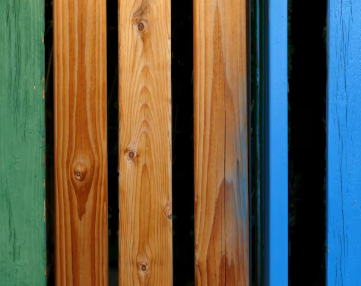
If you’ve been pricing out a deck, fence, pergola, or even a simple backyard project, you’ve probably hit the same fork in the road most people do. Natural wood or man-made boards? Cedar boards for sale catch your eye because they look right. Composite decking keeps popping up because everyone says it’s “low maintenance.”
And honestly? Both camps exaggerate a little.
I’ve seen cedar last decades when treated with basic respect. I’ve also seen composite warp, fade, and disappoint when installed wrong or bought cheap. So let’s slow it down and talk like real people, not brochure writers.
This isn’t a sales pitch. It’s just a clear look at what you’re actually buying.
Why Cedar Boards Still Matter (Even Now)
There’s a reason cedar boards for sale are still in demand, even with all the modern materials around. Cedar isn’t trendy. It’s proven.
Cedar has natural oils that resist rot and insects. You don’t need heavy chemical treatments just to keep bugs away. That alone makes it appealing, especially if you’re building something close to the house or garden.
And the smell. People forget about that part. Fresh cedar smells clean and sharp, not like chemicals or plastic.
Cedar also works easily. You can cut it, sand it, shape it without fighting the board every step of the way. If you’re doing a DIY project, that matters more than most people admit.
But let’s be fair. Cedar isn’t perfect.
The Real Downsides of Cedar Boards
Cedar does weather. Leave it alone long enough, it’ll fade to a silvery gray. Some people love that look. Others hate it.
It also needs some upkeep. Not constant babysitting, but occasional sealing or staining if you want to keep that warm color. Skip that, and nature takes over.
And yes, price can sting. Quality cedar boards for sale aren’t cheap lumber. If you see cedar priced way lower than expected, there’s usually a reason. Knots, warping, or thin cuts.
Still, for fences, pergolas, and traditional decks, cedar feels honest. It looks like what it is.
Composite Decking: Not Magic, Just Different
Composite decking gets sold as the “no worries” option. That’s only half true.
Composite decking is made from a mix of wood fibers and plastic. The idea is durability without the maintenance of real wood. And for many homeowners, that works.
You don’t stain it. You don’t seal it. You hose it off and move on.
Sounds great, right?
Well, it depends.
Where Composite Decking Shines
If your deck sits in direct sun all day, composite decking can handle it better than most woods. It doesn’t splinter, which matters if you’ve got kids or pets running around barefoot.
It also holds color longer. No seasonal touch-ups. No flaking stains.
And consistency is a big deal. Every board looks the same. No knots. No surprises.
For modern designs, clean lines, and minimal fuss, composite decking fits the bill.
Where Composite Decking Falls Short
Here’s the part nobody likes to say out loud. Composite decking can feel hot. Like, uncomfortable hot, depending on the brand and color.
It’s also heavier. Installers notice. DIY builders definitely notice.
And cheap composite? Avoid it. Low-grade boards can sag, fade unevenly, or look plastic up close. Once it’s down, fixing mistakes is expensive.
Plus, composite doesn’t age with character. It just… ages.
Cedar Boards for Sale vs Composite Decking: Choosing Honestly
This isn’t about which is “better.” It’s about what fits your situation.
Choose cedar boards for sale if:
- You want a natural look that blends into landscaping
- You don’t mind light maintenance
- You like working with real wood
- You’re building fences, pergolas, or classic decks
Choose composite decking if:
- You want minimal upkeep
- Your deck gets heavy sun exposure
- You prefer uniform appearance
- You’re okay paying more upfront
Both materials can last. Both can fail. Installation and quality matter more than the label.
Mixing Materials (Yes, That’s a Thing)
Here’s a secret more builders use now. They mix materials.
Cedar railings with composite decking boards. Cedar privacy screens paired with composite walking surfaces. You get warmth where it matters visually, durability where foot traffic hits hardest.
This approach balances cost, maintenance, and appearance without locking you into one material.
Buying Smart: Don’t Guess, Source Right
Whether you’re hunting cedar boards for sale or comparing composite decking brands, where you buy matters.
Quality lumber yards carry better stock. Boards are straighter. Grades are clearer. Advice is real, not scripted.
Big box stores have their place, but for outdoor materials that live in sun, rain, and heat, supplier knowledge saves money long-term.
That’s why people keep coming back to specialists who know the material, not just the SKU.
FAQs
- Do cedar boards last as long as composite decking?
They can. Properly installed and lightly maintained cedar can last 20–30 years. Composite decking often claims similar lifespans, but quality and installation make the difference. - Are cedar boards good for decking or just fencing?
Cedar works for decking, fencing, pergolas, and more. It’s especially popular for projects where appearance matters as much as performance. - Is composite decking really maintenance free?
Not completely. You won’t stain it, but you still clean it. Dirt, pollen, and mildew don’t magically disappear. - Which option adds more home value?
Both can add value if done well. Cedar appeals emotionally. Composite decking appeals practically. Buyers notice quality craftsmanship more than material labels.
 pooja
pooja  khetigaadi45
  techtonetworks