
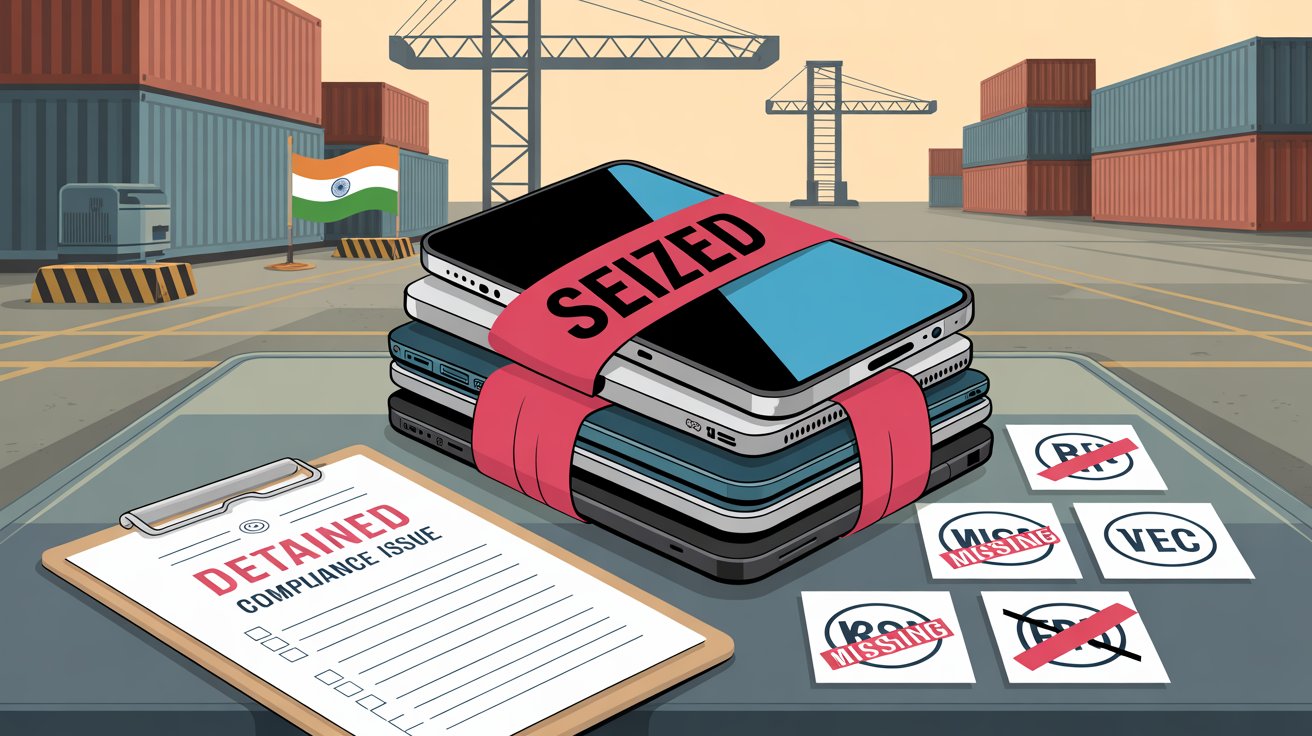
India is one of the fastest-growing markets for electronic products. From mobile phones and smart devices to industrial electronics, imports are rising every year. At the same time, Indian authorities are becoming stricter about compliance. One of the most common issues faced by importers today is customs seizure of electronics in India due to documentation and certification gaps.
At Om Garuda Group, we work closely with businesses that face such challenges and help them understand where things go wrong and how to fix them before losses occur.
Why Electronics Get Seized at Indian Customs
Customs authorities in India are responsible for ensuring that imported electronics meet safety, quality, and regulatory standards. When shipments arrive without proper approvals, they may be held, examined, or seized.
In many cases, the problem is not intentional wrongdoing. Importers often assume that a product cleared in another country will automatically be accepted in India. Unfortunately, that is not how the Indian compliance system works.
The most frequent reason behind seizures is missing certifications for electronics imports that are mandatory under Indian law.
Certifications That Electronics Must Have
India has a clear framework for electronics compliance. Depending on the product type, one or more of the following approvals may be required:
- BIS (Bureau of Indian Standards) for safety and quality
- WPC (Wireless Planning & Coordination) for wireless and radio-enabled devices
- TEC (Telecommunication Engineering Centre) for telecom equipment
- EPR (Extended Producer Responsibility) for e-waste compliance
- BEE (Bureau of Energy Efficiency) for energy-rated products
If even one required certificate is missing or expired, customs officials may initiate customs seizure of electronics in India until the issue is resolved.
How Missing Certifications Trigger Seizure
When a shipment arrives at the port, customs officers verify documents against the product description. If certifications are incomplete, mismatched, or not applicable to the exact model being imported, the cargo is flagged.
This is where missing certifications for electronics imports become a serious problem. Customs may:
- Detain the shipment for detailed inspection
- Issue a show-cause notice
- Demand additional testing or documents
- Seize goods if compliance cannot be proven
These actions can delay delivery for weeks or even months, causing financial and reputational damage.
Real Impact on Importers and Businesses
Seizures are not just paperwork issues; they directly affect business operations. Importers may face:
- Heavy demurrage and storage charges
- Risk of goods becoming obsolete
- Penalties or fines
- Loss of trust with buyers or distributors
Repeated incidents of customs seizure of electronics in India can also put an importer under closer scrutiny for future shipments, making clearance slower every time.
Why Many Importers Miss Certifications
Several factors lead to certification gaps:
- Lack of awareness about Indian regulations
- Incorrect assumption that supplier certificates are sufficient
- Changes in rules that are not tracked regularly
- Importing new models without fresh approvals
In many seizure cases handled by Om Garuda Group, businesses were unaware that updated or model-specific certificates were required. This is why missing certifications for electronics imports continues to be one of the leading causes of customs action.
How Om Garuda Group Helps Resolve Seizure Issues
At Om Garuda Group, we specialize in handling customs-related challenges for electronics importers. Our team supports clients at every stage, including:
- Reviewing seized shipment documents
- Identifying compliance gaps
- Coordinating with testing labs and authorities
- Assisting in certificate procurement or regularization
- Representing cases before customs officials
Our goal is not just to release seized goods but to ensure future shipments clear smoothly without risk.
Preventing Seizure Before It Happens
The best way to avoid seizures is preparation. Importers should:
- Verify applicable certifications before shipping
- Match certificate details exactly with product models
- Keep approvals valid and updated
- Seek expert compliance advice when launching new products
Proactive compliance costs far less than dealing with seized cargo after arrival.
Final Thoughts
India’s electronics market offers enormous growth potential, but that opportunity comes with strict regulatory expectations. Compliance is not optional, and customs authorities are no longer lenient about missing or incorrect approvals. In most cases, seizures do not happen because of fraud or intent to violate the law—they happen because businesses underestimate India’s certification framework or rely on incomplete information from suppliers. Unfortunately, by the time a shipment is stopped at the port, the damage in terms of cost, delays, and lost credibility has already begun.
Missing certifications for electronics imports continue to be one of the leading reasons shipments are detained or seized at Indian ports. Each delay adds demurrage charges, disrupts supply chains, and increases scrutiny on future imports. What many businesses fail to realize is that these issues are largely preventable with proper planning, accurate documentation, and expert compliance oversight before the goods are shipped.
If your business is already facing customs seizure of electronics in India—or wants to avoid that risk altogether—working with an experienced compliance partner is not a luxury, it is a necessity. Om Garuda Group helps importers identify gaps, secure the required certifications, and align their products with Indian regulatory standards from the start. Our focus is not just on resolving current issues, but on building a compliance strategy that protects your future shipments, reduces risk, and ensures smooth customs clearance without unnecessary delays or financial losses.
 assemblysquad
  georgetownmoving
  henrywalker