
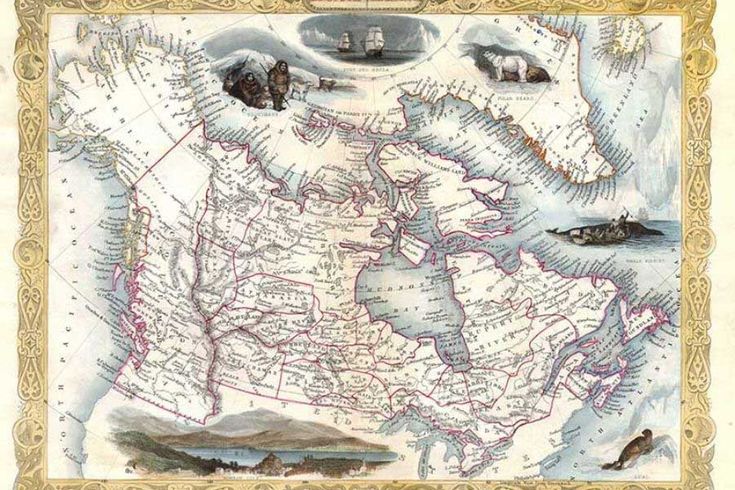
Maps are more than just navigational tools; they are windows into the past, capturing the imagination of explorers, scholars, and collectors alike. Among the vast array of historical artifacts, authentic antique maps hold a unique place. Their intricate artistry, historical significance, and the stories they tell about the world make them highly sought after by collectors and history enthusiasts. The allure of these maps lies not only in their practical use centuries ago but also in their ability to transport us back in time, allowing us to glimpse the understanding and imagination of earlier generations.
The Historical Significance of Antique Maps
Authentic antique maps are historical documents that reveal how people once viewed the world. Centuries ago, maps were created through painstaking observation, exploration, and artistic skill. Each map reflected the geographical knowledge, political boundaries, and cultural perspectives of its era. They offer insight into how nations perceived themselves and their neighbors, how explorers charted unknown territories, and how trade routes were established and maintained. Owning an antique map is like holding a fragment of history, providing a tangible connection to the explorers and mapmakers who charted the world before modern technology.
In the Renaissance period, maps evolved from rudimentary sketches into elaborate works of art. Cartographers like Gerardus Mercator and Abraham Ortelius combined precision with decorative elements, illustrating coastlines, mountains, and rivers while adorning maps with elaborate borders, mythical creatures, and intricate compass roses. Such maps were highly prized, not just for their functionality but also for their beauty and status as intellectual achievements. Collectors today value these details, as they reflect the craftsmanship and creativity of their creators.
The Craftsmanship Behind Antique Maps
The artistry of antique maps is a major factor in their enduring appeal. Unlike modern digital maps, each antique map was a product of meticulous handwork. Mapmakers engraved plates, applied inks, and sometimes added hand-painted colors to create a piece that was both informative and visually stunning. The textures, lines, and colors of an antique map can evoke a sense of wonder and admiration for the skill involved in its creation.
Paper quality and printing techniques also played a crucial role in the uniqueness of antique maps. Many maps were printed on thick, high-quality rag paper that has survived for centuries, while others were produced using copperplate engravings that allowed for detailed and precise imagery. The aging process adds a patina that enhances the map’s character, making each piece distinct. Collectors often seek maps with original hand coloring, elaborate cartouches, and fine engravings, as these elements reflect the authenticity and historical importance of the piece.
Types of Authentic Antique Maps
Antique maps can be categorized into several types, each with its own appeal and historical value. World maps offer a fascinating glimpse into how cartographers depicted the entire globe. Early maps sometimes included speculative continents, mythical islands, or inaccuracies that reveal the evolving understanding of geography. European maps often emphasized trade routes and colonial territories, providing insight into economic and political priorities of the era.
Regional and city maps, on the other hand, capture the development of specific areas. Maps of European cities, for instance, illustrate the growth of urban centers, architectural landmarks, and infrastructure. Similarly, maps of the Americas, Africa, and Asia document exploration, colonization, and the exchange of cultural knowledge. Nautical charts, created for maritime navigation, combine practical utility with artistic flair, often featuring elaborate compass roses and sea monsters to denote uncharted waters.
Collecting Authentic Antique Maps
Collecting authentic antique maps is both a rewarding hobby and a serious investment. Collectors often begin with a passion for history, geography, or art, gradually building a curated collection that reflects their interests. The market for antique maps has grown over the years, with collectors and institutions seeking rare and well-preserved pieces.
Authenticity is crucial when acquiring antique maps. Experts evaluate maps based on age, condition, rarity, and provenance. A map with clear markings of the cartographer, original hand coloring, and well-preserved paper is highly prized. Provenance, or the documented history of ownership, adds credibility and value to a map, especially if it has been part of a notable collection. Online antique map stores and auctions provide collectors with access to rare pieces, while specialized dealers offer guidance and certification to ensure authenticity.
Investing in antique maps requires careful consideration. Market trends, historical significance, and artistic value all influence pricing. While some maps may sell for a few hundred dollars, rare maps with unique features or historical importance can fetch tens of thousands or more. Beyond financial considerations, collectors often value the joy of discovery, the opportunity to study cartographic techniques, and the pleasure of displaying these beautiful artifacts.
The Educational Value of Antique Maps
Antique maps are invaluable educational tools. Scholars and students study them to understand historical geography, colonial history, and the evolution of cartography. Maps from different periods reveal changes in territorial boundaries, shifts in political power, and the expansion of knowledge through exploration. For example, maps of North America created before European colonization provide insight into indigenous territories, natural landmarks, and early European settlements.
Museums and educational institutions often incorporate antique maps into exhibits to engage the public in history and geography. They serve as visual storytelling devices, sparking curiosity and imagination. Antique maps can also inspire research, encouraging historians to explore how societies viewed the world, navigated challenges, and documented discoveries. For collectors, these maps offer a unique opportunity to connect with history on a personal level, turning each piece into a learning experience.
Preserving Antique Maps
Preserving authentic antique maps is essential to maintain their value and longevity. Maps are fragile, susceptible to damage from light, humidity, temperature fluctuations, and handling. Conservation methods include using archival-quality frames, acid-free mats, and UV-protective glass. Storing maps in climate-controlled environments prevents deterioration, while careful handling ensures that the delicate paper and inks remain intact.
Professional restoration may be necessary for maps with tears, fading, or water damage. Experts can stabilize fragile areas, repair minor damages, and clean surfaces without compromising the map’s integrity. Collectors must balance restoration with authenticity, as over-restoration can reduce the historical and financial value of a map. Proper preservation ensures that these treasures can be enjoyed by future generations while maintaining their status as valuable historical artifacts.
The Aesthetic Appeal of Antique Maps
Beyond historical and educational value, authentic antique maps are prized for their aesthetic appeal. They serve as decorative pieces, transforming walls into galleries of history and art. The intricate details, elaborate borders, and muted colors of antique maps create a timeless elegance that complements any interior design. Whether displayed in a study, library, or living room, these maps add sophistication and a sense of wonder to a space.
Art collectors and interior designers often incorporate antique maps into contemporary settings, blending history with modern style. Maps framed in minimalist frames or combined with other historical artifacts can create striking visual contrasts. The beauty of antique maps lies not only in their artistry but also in the stories they carry, making them conversation pieces and treasured heirlooms.
The Modern Market for Antique Maps
The modern market for authentic antique maps is vibrant and diverse. Collectors range from passionate historians to investors seeking valuable assets. Online platforms have expanded access to rare maps, connecting buyers with sellers worldwide. Auctions and specialized fairs provide opportunities to acquire unique pieces, while antique map stores offer curated selections and expert guidance.
Market trends often reflect historical interest, rarity, and condition. Maps related to significant historical events, such as early explorations, colonial expansions, or notable cartographers, are highly sought after. Limited edition prints or maps with unique artistic features can also command high prices. For collectors, the thrill of acquiring a rare map, combined with the satisfaction of preserving a piece of history, makes the market dynamic and exciting.
Conclusion: A Journey Through Time
Authentic antique maps are more than historical artifacts; they are journeys through time. They connect us to the explorers, cartographers, and visionaries who shaped our understanding of the world. Their intricate craftsmanship, historical significance, and aesthetic beauty make them invaluable to collectors, historians, and art enthusiasts alike. Owning an antique map is not just about possession; it is about experiencing a tangible link to the past, appreciating the artistry of previous generations, and preserving history for the future.
Whether displayed as art, studied as historical documents, or collected as investments, authentic antique maps continue to captivate imaginations. They remind us that the world has always been a place of discovery and creativity, and that the maps we use today are built on the vision and dedication of those who charted the unknown. For anyone passionate about history, art, or exploration, authentic antique maps offer a timeless treasure, an enduring testament to human curiosity and ingenuity.
 suzinassif009
  socialrootsai1
  tractor123