
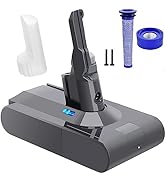
Dyson vacuums have become a staple in homes worldwide — sleek, powerful, and incredibly convenient. Their cordless designs offer unmatched freedom, allowing you to move effortlessly from room to room without worrying about tangled cords or limited reach. But behind every Dyson vacuum’s performance is one key component — its battery.
Whether you own a Dyson V8 or a Dyson V10, the battery is what keeps your vacuum running at full power. Over time, even the best batteries wear down, and knowing when and how to replace them can make all the difference. In this guide, we’ll explore everything you need to know about the dyson v8 battery and Dyson V10 battery, including lifespan, maintenance, and why choosing the right replacement matters.
Understanding the Importance of Dyson Vacuum Batteries
Cordless convenience is one of the biggest advantages of Dyson vacuums. No cables, no restrictions — just grab and clean. However, this freedom relies completely on battery performance. When your Dyson V8 battery or Dyson V10 battery starts losing power or run time, it can turn cleaning from a breeze into a chore.
Dyson designs its vacuums with lithium-ion batteries, known for their long life, quick charging, and powerful energy output. But like any rechargeable component, they eventually degrade. Depending on usage, environment, and care, you might notice your Dyson running for a shorter time or losing suction. That’s when it’s time to think about a replacement.
The Dyson V8 Battery: Reliable Power in a Compact Package
The Dyson V8 remains one of the most popular cordless vacuums ever made. Lightweight yet powerful, it’s designed for quick, everyday cleaning. The Dyson V8 battery is at the heart of this performance, providing up to 40 minutes of fade-free suction when fully charged.
Key Features of the Dyson V8 Battery:
-
Fade-free power: The V8 battery delivers consistent suction until it’s completely discharged, so you get full performance from start to finish.
-
Recharge time: It typically takes around five hours to fully charge.
-
Compact design: The battery is integrated seamlessly into the vacuum body, maintaining balance and ease of use.
-
Replacement simplicity: Swapping out the Dyson V8 battery is straightforward with just a few screws, making DIY replacement easy.
However, after 2–3 years of regular use, you may start noticing shorter run times or a drop in suction. That’s a natural sign that your battery’s capacity is fading. Replacing it with a high-quality, genuine or compatible Dyson V8 battery can instantly restore performance and extend the life of your vacuum.
The Dyson V10 Battery: Longer Run Time, Greater Efficiency
When Dyson introduced the V10 series, it represented a leap in cordless vacuum technology. With a new motor design and improved filtration, the V10 offered stronger suction and longer cleaning sessions. Naturally, that meant a bigger, more efficient power source — the Dyson V10 battery.
Highlights of the Dyson V10 Battery:
-
Up to 60 minutes of run time: Nearly 50% more than the V8, perfect for deep cleaning or larger homes.
-
Three power modes: The battery adapts to the task, from quick surface cleaning to tackling stubborn dirt.
-
Intelligent battery management: The V10 battery optimizes energy use, providing maximum efficiency without wasting charge.
-
Quick and easy replacement: Like the V8, the Dyson V10 battery can be swapped with simple tools in minutes.
If your V10 vacuum no longer lasts as long as it used to or struggles to hold charge, replacing the battery is an affordable way to revive your machine’s performance. A new Dyson V10 battery can make your vacuum feel brand new again — with full suction power and extended cleaning time.
When Should You Replace Your Dyson Battery?
While Dyson batteries are built for durability, no lithium-ion battery lasts forever. A few clear signs indicate it’s time for a new Dyson V8 battery or Dyson V10 battery:
-
Reduced runtime: If your vacuum dies faster than usual, even after a full charge.
-
Longer charging times: The battery takes longer than before to reach full capacity.
-
Flashing lights or error signals: Dyson vacuums often show battery warning lights when a replacement is needed.
-
Overheating: The vacuum becomes hot during charging or operation.
-
Sudden shutdowns: If the vacuum turns off randomly, it could indicate power delivery issues.
If you notice any of these, it’s time to replace the battery. A new Dyson V8 battery or dyson v10 battery will not only restore full suction but also improve reliability.
How to Care for Your Dyson Battery
Proper battery care ensures you get the most out of every charge and extends overall lifespan. Here are a few best practices:
-
Avoid full discharge: Try not to let the battery run completely flat every time.
-
Charge in a cool, dry area: Avoid direct sunlight or heat exposure, which can shorten battery life.
-
Use regularly: Long periods of inactivity can degrade lithium-ion cells.
-
Unplug after charging: Once full, disconnect the charger to prevent unnecessary wear.
-
Clean contacts: Occasionally wipe battery terminals to maintain a good connection.
Following these habits can add months or even years of life to your Dyson V8 battery or Dyson V10 battery.
Choosing the Right Replacement Battery
When it comes time to buy a new battery, quality matters. Opt for genuine Dyson batteries or trusted third-party replacements that meet safety and performance standards. Look for:
-
Compatibility: Ensure the battery is designed for your specific model (V8 or V10).
-
Capacity (mAh rating): Higher capacity equals longer run time.
-
Safety certification: Choose batteries with CE, RoHS, or UL certification for reliability.
-
Warranty: A warranty provides peace of mind against defects or early failures.
Investing in a high-quality Dyson V8 battery or dyson v10 battery means cleaner floors, longer cleaning sessions, and overall better performance.
Final Thoughts
Your Dyson vacuum is a powerful cleaning tool designed for everyday convenience. But like any cordless device, its performance depends heavily on its battery. Whether you own a V8 or a V10, keeping your vacuum running at full power means maintaining or replacing the battery at the right time.
 bookcoverhub
  id40core
  Rimsha