
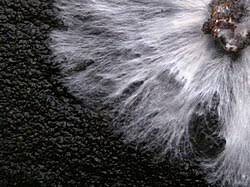
 Mycelium Market trends are increasingly capturing global attention as industries, consumers, and policymakers actively seek sustainable, non-toxic, and biodegradable material alternatives that minimize environmental harm. As the world confronts escalating issues like plastic pollution, climate change, and resource depletion, the shift toward eco-friendly solutions has become not only desirable but essential. In this evolving landscape, mycelium—grown from the root-like structure of fungi—has emerged as one of the most promising sustainable materials for the future. Its ability to replace plastics, foams, leather, textiles, and even some construction materials has positioned it at the center of modern sustainability innovations. As these trends unfold, the global mycelium market is rapidly expanding and reshaping industrial manufacturing across several key sectors.
Mycelium’s versatility stems from its natural growth process. It can be cultivated using agricultural waste, and with the right environmental conditions, it forms dense networks that can be molded into various shapes and structures. This makes it an ideal candidate for replacing petroleum-based materials that have long dominated manufacturing but now face scrutiny for their environmental impact. Innovations in biotechnology and material science have only strengthened the material’s capabilities, allowing manufacturers to engineer mycelium-based products with precise density, durability, texture, and moisture resistance. As businesses explore greener solutions aligned with rising environmental standards, the potential of mycelium grows even stronger, fueling a global movement toward sustainable material development.
Growing Environmental Awareness Drives Market Momentum
One of the largest forces accelerating the global mycelium market is the rising awareness of environmental issues. Plastics continue to pollute oceans and landscapes, while synthetic materials contribute to microplastic contamination and long-term ecological damage. Mycelium-based materials offer a natural alternative that biodegrades without leaving harmful residues. As consumers become more conscious of their purchasing decisions, they increasingly favor products made from sustainable materials, prompting companies to rethink traditional manufacturing processes.
Government policies and regulations further reinforce this shift. Many countries have introduced strict bans on single-use plastics, incentives for sustainable packaging, and mandates for cleaner production practices. These evolving regulations put pressure on companies to innovate, and the mycelium market is emerging as a leading solution for meeting these new standards. The combination of consumer demand and regulatory support is creating favorable conditions for rapid market expansion.
Packaging Industry Emerges as a Key Driver of Adoption
The global packaging industry has become one of the earliest and strongest adopters of mycelium-based materials. Traditional packaging materials like polystyrene and polyethylene, although effective, pose severe environmental challenges. Mycelium packaging offers a naturally compostable alternative that performs well in protecting goods during transport and storage. Its lightweight structure, cushioning properties, and customizable shapes make it suitable for a wide range of applications, including electronics, cosmetics, food products, and fragile items.
The growth of e-commerce has amplified this trend, as businesses seek packaging that aligns with sustainability goals and appeals to environmentally conscious consumers. Many brands are now adopting mycelium packaging as part of their sustainability strategies to enhance brand image and reduce carbon footprints. This trend is expected to continue as supply chains increasingly prioritize biodegradable solutions over conventional plastics.
Fashion and Lifestyle Brands Turn Toward Mycelium-Based Textiles
The fashion industry, known for its environmental footprint, is undergoing a significant transformation. Mycelium-based leather alternatives are gaining prominence as brands move toward cruelty-free, vegan, and eco-friendly materials. These alternatives closely resemble traditional leather in texture and flexibility but come without the environmental and ethical concerns associated with animal-based products. The manufacturing process of mycelium leather also consumes far less water and energy compared to conventional leather production or synthetic substitutes.
Major fashion brands are beginning to explore mycelium textiles for footwear, handbags, jackets, and accessories. The rise of conscious consumerism and the introduction of sustainable fashion collections have accelerated the demand for these materials. As technology improves and production scales, mycelium-based fashion products are expected to play a significant role in the global movement toward ethical and environmentally responsible apparel.
Construction and Architecture Explore Mycelium for Green Building
Beyond packaging and fashion, the construction industry is exploring mycelium as a potential material for sustainable building solutions. Mycelium composites can be formed into bricks, blocks, insulation panels, and acoustic materials. These products offer natural fire resistance, thermal efficiency, low weight, and structural stability, making them attractive to architects and engineers focused on environmentally friendly construction practices.
Mycelium-based building materials require significantly less energy during production than traditional construction materials like cement, whose manufacturing process contributes heavily to global carbon emissions. By using agricultural waste as a substrate, mycelium construction materials promote a zero-waste production model that aligns with circular economy principles. As green building certifications grow in relevance, mycelium-based solutions are becoming increasingly attractive for eco-conscious development projects.
Technological Advancements Strengthen Product Performance
The rise of the mycelium market is closely tied to advancements in biofabrication and biotechnology. Researchers and innovators are refining growth methods, optimizing environmental conditions, and developing specialized fungal strains to enhance performance characteristics. Mycelium materials today can be engineered with precise levels of rigidity, flexibility, density, and moisture resistance, making them suitable for diverse industrial uses.
Automated cultivation systems, climate-controlled growth chambers, and improved substrate blends are accelerating production times and enhancing consistency. These technological advancements are enabling the mass production of mycelium-based materials at commercial scale, reducing costs over time and expanding the range of possible applications. The integration of digital manufacturing techniques and biological growth systems represents a cutting-edge evolution in material science.
Growing Investments and Start-Up Ecosystems Support Expansion
A clear trend driving global mycelium market growth is the increasing investment from venture capital firms, research institutions, and corporations seeking sustainable material innovations. Start-ups specializing in mycelium research and production are emerging worldwide, creating a dynamic ecosystem of experimentation and commercialization. Investors recognize the long-term potential of mycelium to disrupt multiple industries while offering environmental benefits that align with global sustainability goals.
These growing investments support research and development efforts, facility expansion, and the optimization of production processes. They also encourage cross-industry collaborations, where manufacturers partner with material innovators to explore customized solutions. As financial backing continues to grow, so does the pace of innovation within the mycelium market.
Eco-Friendly Consumer Trends Amplify Market Demand
Today’s consumers are more informed than ever about sustainability, environmental protection, and responsible manufacturing. Many prioritize eco-friendly products and are willing to shift brand loyalty based on the environmental practices of manufacturers. This behavioral shift is contributing significantly to the rising demand for mycelium-based solutions, especially in sectors like packaging, skincare, clothing, and household products.
Consumers also appreciate the natural aesthetic qualities of mycelium products, which often convey a sense of authenticity, earthiness, and environmental awareness. Combined with a global cultural shift toward natural living, minimalism, and regenerative products, mycelium has captured the attention of environmentally conscious buyers worldwide.
A Promising Future Shaped by Nature-Inspired Innovation
The global mycelium market is entering a period of robust growth as industries increasingly adopt eco-friendly alternatives to traditional synthetic and resource-intensive materials. With its biodegradability, renewable nature, and engineering versatility, mycelium is redefining modern material innovation and offering solutions that support long-term ecological balance.
As technology advances, investments accelerate, and industries expand their sustainability commitments, mycelium-based materials are expected to play a central role in the development of greener manufacturing systems. From packaging and fashion to construction, biotechnology, and beyond, the future of material science is being shaped by nature—and mycelium is leading the way.
 apeksha00
  feraquip
  assemblysquad