
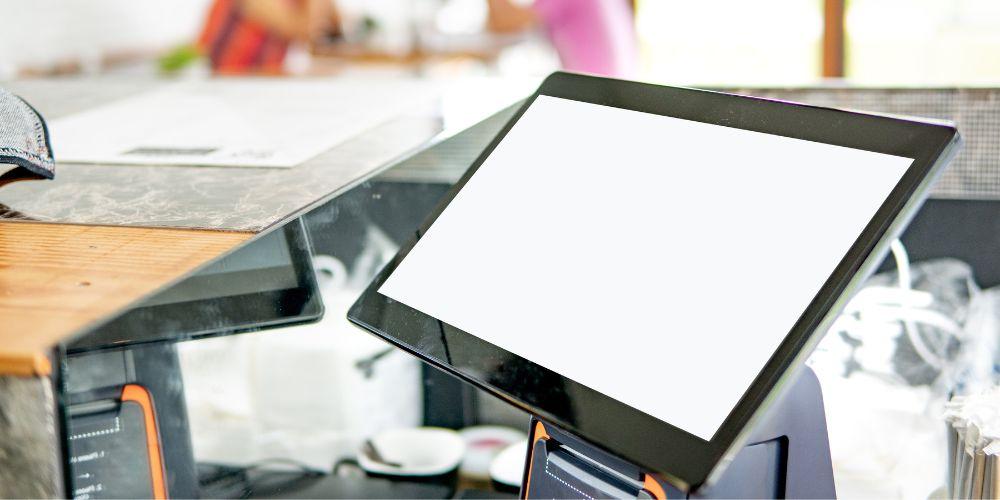
In today’s busy restaurant environment, speed and efficiency are more important than ever. Diners expect quick service, accurate orders, and smooth payments, and restaurants face the challenge of meeting these expectations while keeping operations running smoothly. Long wait times, miscommunications between staff and the kitchen, and slow payment processing can affect both customer satisfaction and revenue. To address these challenges, many restaurants are turning to advanced point-of-sale solutions that simplify the ordering and payment process.
One solution that has gained popularity is a modern POS system that combines order taking and payment processing in a single device. By reducing the need for multiple devices, this system allows staff to take orders, send them directly to the kitchen, and process payments all at the table. This approach not only improves operational efficiency but also enhances the dining experience, making customers feel valued and well taken care of.
Streamlining Order Taking
One of the main advantages of this POS system is its ability to speed up the order-taking process. Traditional methods often require staff to write down orders or input them into a separate terminal, which can create errors and delays. With an integrated device, servers can enter orders directly at the table using a simple touchscreen interface. Orders are instantly sent to the kitchen, reducing mistakes and ensuring that meals are prepared correctly. Faster order processing also helps restaurants serve more customers during busy periods, improving table turnover and increasing overall revenue.
Quick and Convenient Payments
Payment processing is another area where this technology shines. Customers can pay at the table using various methods, including credit cards, contactless payments, and mobile wallets. This eliminates the need for staff to move between tables and the register, reducing wait times and making the dining experience smoother. Quick payments also allow restaurants to turn tables faster, which is especially important during peak hours. By offering a seamless checkout experience, restaurants can leave a positive impression on their guests and encourage repeat visits.
Reducing Errors and Improving Accuracy
Errors in order taking and payment processing can hurt a restaurant’s reputation and lead to wasted resources. An integrated POS system minimizes these errors by keeping all order and payment information in one place. Staff can see modifications and special requests clearly, and payments are processed accurately the first time. This reliability helps maintain customer trust and ensures that operations run smoothly from start to finish.
Gaining Valuable Insights
Beyond speed and accuracy, modern POS systems provide restaurants with valuable data about their operations. Managers can track sales, monitor staff performance, and identify popular menu items. This information can help optimize inventory, plan staffing, and create promotions that match customer preferences. For example, knowing which dishes are most frequently ordered or customized can help restaurants reduce waste and better manage resources. Data-driven decisions like these can improve both efficiency and profitability.
Adapting to Different Restaurant Models
Whether a restaurant is a casual eatery, fine dining establishment, or full-service franchise, this type of POS system can adapt to different needs. In fast-casual settings, it allows rapid order processing at the counter. In full-service restaurants, servers can take orders and process payments tableside, creating a more personal experience. The system can also handle hybrid models, like restaurants offering both dine-in and delivery, ensuring smooth operations across all service channels. For restaurants looking for more details about this solution, check out clover duo for a closer look at the device and its features.
Easy Training for Staff
High staff turnover is a common challenge in the restaurant industry. A POS system with an intuitive interface reduces the learning curve, allowing new employees to start taking orders and processing payments quickly. Touchscreen controls, guided menus, and simple prompts make it easy for staff to understand how the system works. Faster training means less downtime, more confident employees, and better service for customers.
Supporting Modern Payment Trends
More diners now prefer contactless and mobile payment options. Integrated POS systems accommodate these trends, making it easier for restaurants to meet customer expectations. By offering flexible payment options, restaurants not only provide convenience but also improve transaction security and reduce reliance on cash. Embracing modern payment methods can attract tech-savvy customers and enhance the restaurant’s reputation for being efficient and forward-thinking.
Boosting Customer Loyalty
Many modern POS systems can be linked with loyalty programs, allowing restaurants to track customer visits and preferences. This information can be used to offer personalized promotions and rewards, encouraging repeat visits. For instance, a restaurant could offer discounts on a customer’s favorite dishes or notify them of upcoming events. Combining fast orders and payments with loyalty programs helps build lasting relationships with customers and strengthens brand loyalty.
Simplifying Financial Management
Integrated POS systems also make accounting and reporting easier. With automated transaction logs, tax calculations, and end-of-day reporting, managers save time and reduce errors. Accurate records support better financial planning and help restaurants make informed decisions about staffing, inventory, and menu changes. Simplified reporting ensures that operations are both transparent and well-organized.
Enhancing the Dining Experience
At the core, these systems improve the overall dining experience. Faster service, accurate orders, and convenient payments make customers feel valued. Satisfied customers are more likely to return, leave positive reviews, and recommend the restaurant to others. In a competitive market, a smooth, technology-driven experience can set a restaurant apart from its competitors.
Professional and Organized Environment
By reducing the need for multiple devices and paper tickets, this technology creates a more organized and professional environment. A sleek, modern POS system also reflects positively on the restaurant, showing customers that the business is efficient and up-to-date with technology. An organized workspace improves staff morale and leaves a better impression on guests, contributing to a high-quality dining experience.
Scalability for Growth
As restaurants grow or open new locations, a standardized POS system simplifies operations across multiple sites. Managers can monitor performance, maintain consistency, and ensure efficient service no matter how many locations they manage. This scalability makes integrated systems ideal for both independent restaurants and multi-location chains.
Conclusion
In conclusion, an integrated POS system that combines order taking and payment processing provides restaurants with significant benefits. Faster orders, quick payments, reduced errors, and valuable insights all contribute to improved efficiency, customer satisfaction, and profitability. These systems also support modern payment methods, enhance staff training, and help restaurants scale their operations. By adopting this technology, restaurants can provide a seamless dining experience, increase table turnover, and position themselves for long-term success in a competitive industry.
https://digital24hour.com/
 akappliancerepair