
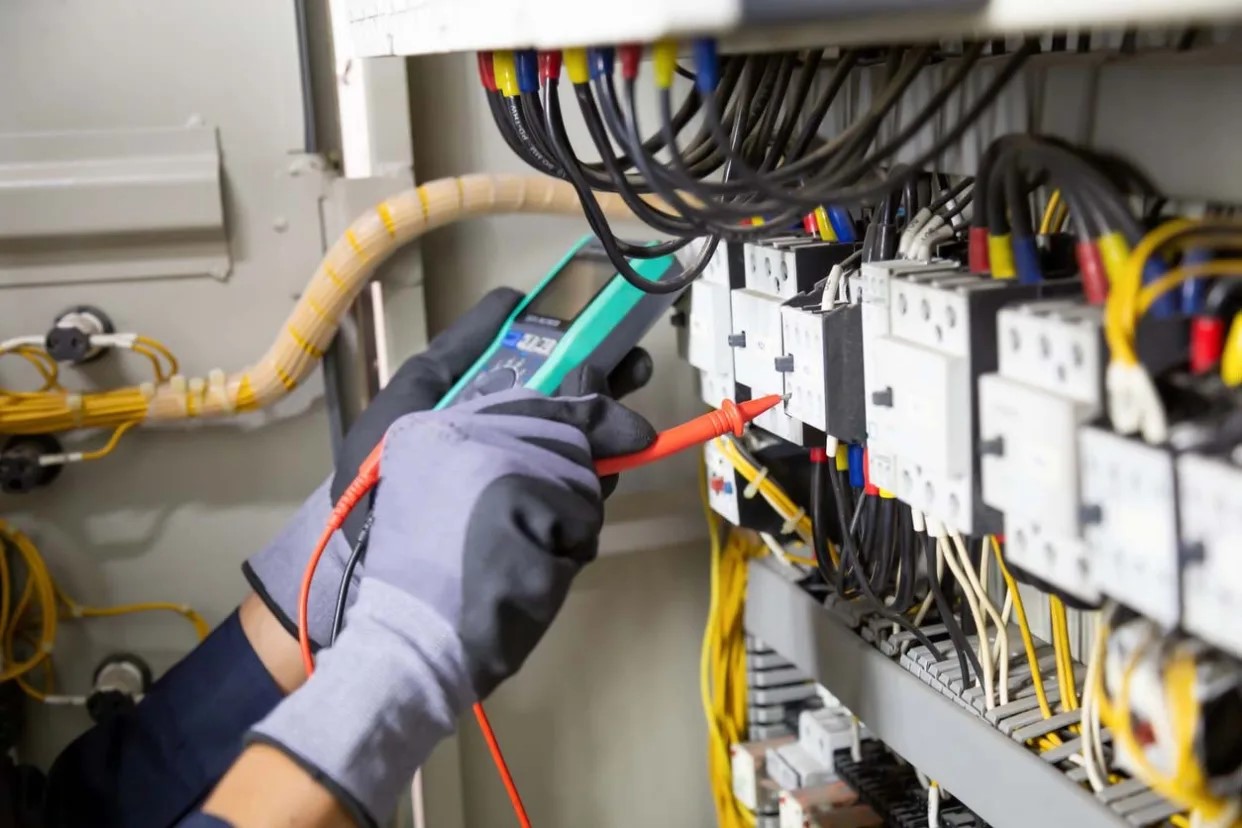
Finding the right electrician for your home or business may seem like a small task, but it can make a huge difference in safety, cost, and peace of mind. Whether you need to fix a flickering light, upgrade your electrical panel, or handle a larger renovation, picking the right professional matters. This guide will help you understand what to look for, how to compare options, and ensure you get reliable, safe, and skilled service.
Understand Your Needs First
Before you start calling electricians, take a moment to define your needs. Are you dealing with a minor repair, like a broken switch, or a larger project, such as rewiring a room or installing a new system? Different electricians specialize in different areas—some focus on residential work, others on commercial projects, and a few on high-voltage systems. Being clear about what you need saves time, avoids frustration, and ensures the right person tackles the job efficiently.
Check Qualifications and Licenses
Electrical work is not just technical—it’s also regulated. A qualified electrician should have the proper licenses and certifications for your area. This ensures they meet safety standards and are trained to handle electrical systems safely. Don’t hesitate to ask for proof of licensing or any relevant certifications. A professional who can show these credentials demonstrates that they take their work seriously and prioritize your safety.
Look for Experience and Expertise
Experience counts. While new electricians may be eager and affordable, someone with years of hands-on work brings knowledge of tricky problems and solutions. Ask potential electricians about the types of projects they have handled. If your project is specialized—like installing a smart home system or handling high-voltage circuits—look for someone with direct experience in that area. This ensures the work will be done right the first time.
Read Reviews and Ask for References
Word-of-mouth and online reviews can tell you a lot about an electrician’s reliability and quality. Look for feedback on punctuality, professionalism, and the quality of work. Don’t rely solely on online reviews; ask the electrician for references from past clients. Speaking with someone who has used their services can give you a clearer idea of what to expect and help you make a confident choice.
Get Detailed Quotes
Once you have a shortlist, ask each electrician for a detailed quote. This should include labor costs, materials, estimated time, and any warranties offered. Compare these quotes carefully, but don’t choose solely on price. The cheapest option may not provide the same quality or guarantee as a slightly higher-priced, more reputable professional. Transparency in pricing is also a good indicator of trustworthiness.
Consider Safety and Insurance
Electricity can be dangerous, so safety is paramount. Make sure your electrician carries insurance for both themselves and your property. This protects you in case of accidents or damage during the job. A responsible professional will also follow safety codes, use proper tools, and take precautions to protect your home, family, or business during work.
Evaluate Communication Skills
Good communication makes a big difference. Your electrician should explain problems clearly, offer solutions, and answer questions without confusing jargon. Pay attention to how they listen and respond during initial conversations. An electrician who communicates well is likely to keep you informed throughout the project, making the process smoother and less stressful.
Check Availability and Reliability
Timing matters, especially if you have an urgent electrical issue. Ask about availability and expected project timelines. A reliable electrician will be honest about when they can start and how long the job may take. Consistency in showing up on time and completing tasks as promised is a strong indicator of professionalism.
Look for a Warranty or Guarantee
Reputable electricians often stand behind their work with warranties or guarantees. This may cover parts, labor, or both for a specified period. A warranty ensures that if something goes wrong after the work is completed, you have recourse without extra cost. It’s a sign that the electrician is confident in their skills and committed to long-term quality.
Don’t Forget Local Knowledge
Hiring a local electrician can have benefits. They understand regional electrical codes, common issues in your area, and local suppliers for parts. Additionally, local professionals are easier to contact for follow-up visits or emergencies. Supporting a local business can also create a sense of trust and accountability.
Red Flags to Watch For
Be cautious of electricians who offer unusually low prices, refuse to provide licenses, or push for unnecessary repairs. These can be signs of inexperience, poor quality work, or even scams. Always trust your instincts—if something feels off, it’s better to keep looking. A professional, trustworthy electrician will answer questions patiently and provide clear, honest guidance.
How to Build a Relationship with Your Electrician
Once you find a reliable professional, treat the relationship as an investment. Keep their contact information handy, schedule routine inspections, and communicate any recurring issues promptly. Building a long-term relationship with a trusted electrician can save money, reduce stress, and ensure your home or business stays safe.
Summary
Choosing the right electrician is about more than just hiring someone with tools. It’s about understanding your needs, verifying qualifications, checking experience, reading reviews, and prioritizing safety. By following these steps, you can select a professional who delivers quality work, communicates well, and provides peace of mind. Whether it’s a small repair or a major project, taking the time to choose wisely ensures your electrical systems remain safe and reliable.
FAQs
How do I know if an electrician is licensed?
You can ask to see their license or check with your local licensing authority. Licensed electricians meet safety and training standards required by law.
Should I always choose the cheapest quote?
Not necessarily. The lowest price may indicate lower quality or missing warranties. Consider experience, reputation, and what’s included in the quote before deciding.
How often should I have my electrical system checked?
For most homes, a professional inspection every 2-3 years is recommended. Older homes or heavy electrical usage may require more frequent checks.
 assemblysquad
  georgetownmoving
  henrywalker