
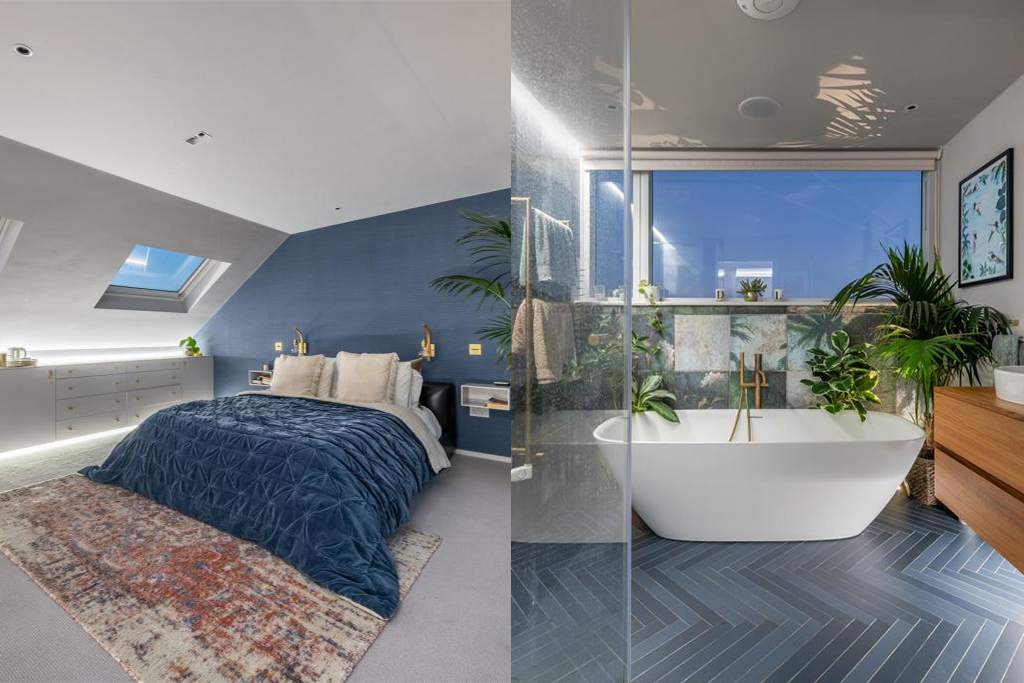
Designing a loft conversion is one of the best ways to upgrade your home without moving. For homeowners planning a Loft conversion London project, the challenge is creating a space that looks stylish while remaining practical for everyday use. With the right design approach, a loft can become a bright, comfortable, and valuable part of your home that fits perfectly with London living.
Why Design Matters in a Loft Conversion
A loft conversion is not just about adding space; it is about how well that space works. Poor design can lead to low headroom, dark corners, and awkward layouts. Good design focuses on comfort, storage, lighting, and flow, ensuring the loft feels like a natural extension of your home. In London, where space is limited and property value is high, smart design choices can make a big difference to both lifestyle and resale value.
Start With a Clear Purpose
Before planning layouts or finishes, decide how you will use the loft. Will it be a bedroom, home office, guest room, or multi-purpose space? Knowing the main purpose helps guide every design decision, from staircase placement to window size. A clear plan also helps a Loft Conversions Company create a layout that balances style with everyday practicality.
Making the Most of Natural Light
Natural light is one of the most important elements in a stylish loft conversion. Roof windows, skylights, and dormer windows can flood the space with daylight and make it feel larger. Light colours on walls and ceilings reflect sunlight and enhance the sense of space. Thoughtful window placement also improves ventilation, which is essential for comfort throughout the year.
Smart Layout and Space Planning
Loft spaces often have sloping ceilings and limited headroom, so smart layout planning is essential. Positioning beds, desks, or seating where head height is greatest improves comfort. Low areas under the eaves are ideal for built-in storage, shelves, or wardrobes. This approach keeps the main living area open and clutter-free while maximising usable space.
Choosing the Right Type of Loft Conversion
Different types of loft conversions suit different homes and design goals. Roof light conversions are simple and cost-effective, while hip-to-gable and mansard conversions offer more space. A Dormer Loft Conversion is especially popular in London because it adds both headroom and floor space. Dormers create straight walls and flat ceilings, making it easier to design stylish interiors that feel like standard rooms rather than attic spaces.
Designing a Practical Staircase
The staircase is a key design feature that connects your loft to the rest of the house. It should be safe, compliant with building regulations, and easy to use. Compact stair designs work well in smaller homes, while open or glass balustrades can add a modern touch. Positioning the stairs carefully helps maintain privacy and ensures the loft feels fully integrated into the home.
Storage Solutions for a Clutter-Free Loft
Practical storage is essential in any loft conversion. Built-in wardrobes, drawers under eaves, and custom shelving make the most of awkward spaces. Clever storage design keeps the loft tidy and functional without sacrificing style. For London homes, where storage is often limited, these solutions add real everyday value.
Selecting Materials and Finishes
The choice of materials plays a big role in both style and durability. Engineered wood flooring, soft carpets, or modern tiles can all work well, depending on the room’s purpose. Neutral colours create a timeless look, while feature walls or textured finishes add character. Quality insulation and soundproofing materials are also important to ensure comfort and reduce noise throughout the house.
Lighting for Style and Function
Artificial lighting should complement natural light and suit different activities. A mix of ceiling lights, wall lights, and task lighting creates flexibility. Dimmable lights allow you to adjust the mood, whether you are working, relaxing, or sleeping. Well-planned lighting enhances both the style and usability of the loft space.
Meeting Planning and Building Regulations
Most loft conversions in London fall under permitted development, but rules vary depending on property type and location. Building regulations always apply and cover fire safety, insulation, structure, and access. Working with an experienced Loft Conversions Company ensures all legal requirements are met and the project runs smoothly from design to completion.
Balancing Budget With Design Goals
Stylish design does not always mean high costs. Setting a realistic budget helps prioritise essential features such as insulation, windows, and structure before focusing on finishes. A clear budget also helps avoid unexpected expenses and ensures the project stays on track. Professional advice can help you achieve the best results within your budget.
Adding Long-Term Value to Your Home
A well-designed loft conversion can significantly increase your home’s value. Extra bedrooms, bathrooms, or flexible living spaces are highly attractive in the London property market. More importantly, a practical and stylish loft improves daily living and adapts to changing needs over time.
Final Thoughts on Designing the Perfect Loft
Designing a stylish and practical loft conversion requires careful planning, smart design choices, and professional expertise. By focusing on layout, light, storage, and quality finishes, you can create a space that feels both beautiful and functional. With the right approach and support, your Loft conversion London project can transform unused space into one of the most valuable and enjoyable areas of your home.
 eugeniaafanador
  akappliancerepair