
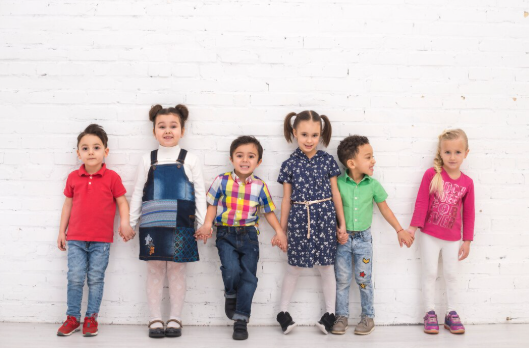
In today’s world, parents are becoming increasingly conscious about the products they choose for their children. From nutrition to clothing, there is a growing awareness about sustainability and health. Among these, eco-friendly kids collection made with soft organic materials are gaining significant popularity. These collections are not just gentle on a child’s delicate skin, but also contribute to a healthier planet. This article explores the importance of eco-friendly kids’ clothing, the benefits of organic materials, and tips for selecting the best products for your little ones.
Understanding Eco-Friendly Kids Collections
Eco-friendly kids’ collections refer to clothing and accessories that are made using sustainable, non-toxic, and environmentally responsible materials. Unlike conventional textiles that often use harmful chemicals and synthetic fibers, eco-friendly kids’ clothing is designed to minimize environmental impact and promote safety.
Parents today are increasingly concerned about the chemicals used in regular clothing, which can irritate sensitive skin and even cause long-term health problems. Eco-friendly clothing addresses these concerns by using soft organic fabrics that are free from pesticides, dyes, and synthetic chemicals.
These collections often include a range of products such as:
-
Clothes: Onesies, t-shirts, dresses, leggings, and sleepwear.
-
Accessories: Hats, scarves, and socks.
-
Bedding: Organic cotton sheets, blankets, and pillowcases.
-
Toys: Plush toys and educational items made from natural fibers.
By choosing eco-friendly kids’ collections, parents are making a conscious decision to invest in both their child’s well-being and the planet’s future.
Benefits of Soft Organic Materials for Kids
When it comes to children, comfort and safety are of utmost importance. Soft organic materials provide numerous benefits that make them an excellent choice for kids’ clothing.
1. Gentle on Sensitive Skin
Children, especially newborns, have delicate and sensitive skin that can easily react to synthetic fabrics or harsh chemicals. Organic materials such as organic cotton, bamboo, and hemp are naturally soft, breathable, and hypoallergenic. These fabrics reduce the risk of skin irritation, rashes, and allergies, ensuring that your child remains comfortable throughout the day.
2. Free from Harmful Chemicals
Traditional clothing manufacturing often involves the use of pesticides, chemical dyes, and formaldehyde-based finishes. These chemicals can linger on fabrics and may cause long-term health issues when they come into contact with a child’s skin. Organic fabrics are grown and processed without harmful substances, making them safe for children and peace of mind for parents.
3. Highly Durable
Eco-friendly fabrics are not only gentle but also durable. Organic cotton, for instance, is known for its strength and longevity. This durability means that children’s clothes can withstand repeated washing and daily wear without losing their softness or shape. Investing in eco-friendly kids’ collections often results in better value for money in the long run.
4. Breathable and Comfortable
Soft organic materials are naturally breathable, allowing air to circulate around the child’s body. This property helps regulate body temperature, preventing overheating in warm weather and maintaining warmth in cooler temperatures. Breathable fabrics also reduce moisture retention, keeping children dry and comfortable during playtime or sleep.
5. Environmentally Friendly
By choosing clothing made from organic materials, parents contribute to the conservation of natural resources. Organic farming practices use less water, avoid synthetic pesticides, and promote soil health. Additionally, eco-friendly clothing often involves sustainable production methods, including lower energy consumption and minimal waste, reducing the overall carbon footprint.
Popular Organic Materials in Kids’ Collections
Several organic materials are commonly used in eco-friendly kids’ clothing. Understanding their properties can help parents make informed decisions when selecting clothing for their children.
1. Organic Cotton
Organic cotton is grown without the use of synthetic pesticides or fertilizers. It is soft, breathable, and hypoallergenic, making it ideal for children’s sensitive skin. Organic cotton is versatile and can be used in a wide range of clothing, from everyday wear to sleepwear and accessories.
2. Bamboo Fabric
Bamboo is a highly sustainable resource that grows quickly and requires minimal water. Bamboo fabrics are incredibly soft, moisture-wicking, and naturally antibacterial, making them perfect for kids who are active or prone to skin irritations. Bamboo is also biodegradable, ensuring that clothing made from this material does not contribute to long-term environmental waste.
3. Hemp
Hemp is another eco-friendly material gaining popularity in children’s clothing. It is strong, durable, and naturally resistant to mold and UV rays. Hemp fabrics become softer with each wash, providing comfort while reducing the need for synthetic blends. Hemp is also grown with minimal water and pesticides, making it a sustainable choice for eco-conscious parents.
4. Organic Wool
For cooler climates, organic wool provides warmth without compromising sustainability. Organic wool is sourced from sheep that are raised without harmful chemicals or hormones. It is soft, breathable, and naturally insulating, making it suitable for winter clothing, sweaters, and blankets.
Key Features of an Eco-Friendly Kids Collection
A truly eco-friendly kids collection incorporates more than just organic materials. Here are some essential features to look for:
1. Non-Toxic Dyes
Colors in eco-friendly clothing are achieved using natural or low-impact dyes that do not contain heavy metals or harmful chemicals. This ensures that the clothing is safe for children and does not contribute to environmental pollution.
2. Ethical Manufacturing
Many eco-friendly brands prioritize ethical manufacturing practices. This includes fair wages for workers, safe working conditions, and responsible production processes. Ethical manufacturing aligns with the broader values of sustainability and social responsibility.
3. Minimal Waste Packaging
Sustainable clothing brands often use minimal, recyclable, or biodegradable packaging to reduce environmental impact. This small step helps limit plastic waste and reinforces the brand’s commitment to eco-conscious practices.
4. Versatile and Timeless Designs
Eco-friendly kids’ clothing is designed to be durable and versatile. Timeless designs and neutral colors can be mixed and matched, reducing the need for frequent purchases and promoting a sustainable wardrobe.
How to Choose the Best Eco-Friendly Kids Collection
Selecting the best eco-friendly kids collection requires careful consideration of materials, safety, and functionality. Here are some tips for parents:
1. Check Certifications
Look for clothing that carries certifications such as GOTS (Global Organic Textile Standard) or OEKO-TEX Standard 100. These certifications indicate that the fabric is organic, free from harmful chemicals, and produced under environmentally responsible conditions.
2. Prioritize Comfort
Softness, breathability, and ease of movement are crucial factors when choosing kids’ clothing. Make sure the fabrics feel comfortable against the skin and allow your child to play freely without restriction.
3. Evaluate Durability
Children can be tough on clothes, so select fabrics that can withstand washing and daily wear. High-quality organic materials like cotton, bamboo, and hemp offer long-lasting comfort and sustainability.
4. Consider Climate and Season
Different materials are suited for different climates. Organic cotton and bamboo are ideal for warm weather due to their breathability, while organic wool or hemp provides insulation in colder months. Choosing season-appropriate clothing ensures comfort and practicality.
5. Look for Multi-Purpose Pieces
Eco-friendly clothing often includes versatile items that can be used in multiple settings. For example, a soft organic cotton onesie can be worn at home, layered for outings, or used as sleepwear, reducing the need for excessive purchases.
Supporting Sustainability Through Eco-Friendly Kids Collections
When parents choose eco-friendly kids’ collections, they support a broader movement towards sustainability. This choice reduces the environmental impact of textile production, conserves water, and minimizes the use of harmful chemicals. Additionally, eco-friendly fashion encourages companies to adopt more ethical practices, benefiting both people and the planet.
By introducing children to sustainable clothing early, parents can also instill values of environmental consciousness in their little ones. Teaching kids to care for the planet and appreciate natural materials lays the foundation for responsible consumption habits in the future.
Popular Eco-Friendly Kids Clothing Styles
Eco-friendly kids’ collections are available in a wide variety of styles that combine fashion, comfort, and sustainability. Some popular options include:
-
Organic Cotton Onesies and Bodysuits: Soft, breathable, and perfect for newborns.
-
Eco-Friendly Pajamas: Made from bamboo or organic cotton, ideal for a good night’s sleep.
-
Everyday Wear: Comfortable t-shirts, leggings, and dresses made from organic fabrics.
-
Outerwear: Lightweight jackets or sweaters made from hemp or organic wool.
-
Accessories: Organic cotton hats, socks, and scarves that provide warmth and style.
These styles ensure that children can enjoy trendy, functional, and safe clothing without compromising sustainability.
The Future of Eco-Friendly Kids Collections
As sustainability becomes a global priority, the demand for eco-friendly kids’ collections is expected to grow. Advances in textile technology are making organic fabrics more affordable and widely available. Brands are exploring innovative solutions such as recycled materials, biodegradable fabrics, and zero-waste manufacturing techniques.
Parents now have more options than ever to choose clothing that aligns with their values. By prioritizing eco-friendly kids collections made with soft organic materials, families contribute to a healthier, greener future while ensuring that children remain comfortable, stylish, and safe.
Conclusion
Choosing eco-friendly kids’ collections made with soft organic materials is a decision that benefits both children and the planet. These collections offer unparalleled comfort, safety, and durability while promoting sustainable practices. Organic fabrics such as cotton, bamboo, hemp, and wool are gentle on sensitive skin, free from harmful chemicals, and environmentally responsible.
By selecting clothing that is ethically manufactured, non-toxic, and designed for longevity, parents can provide their children with the best in comfort, style, and sustainability. Moreover, embracing eco-friendly practices in children’s fashion sets a positive example for the next generation, fostering values of responsibility, care, and environmental awareness.
Investing in an eco-friendly kids collection is more than just a purchase—it is a commitment to a healthier future, a happier childhood, and a planet that can thrive for generations to come.
 suzinassif009
  socialrootsai1
  tractor123