
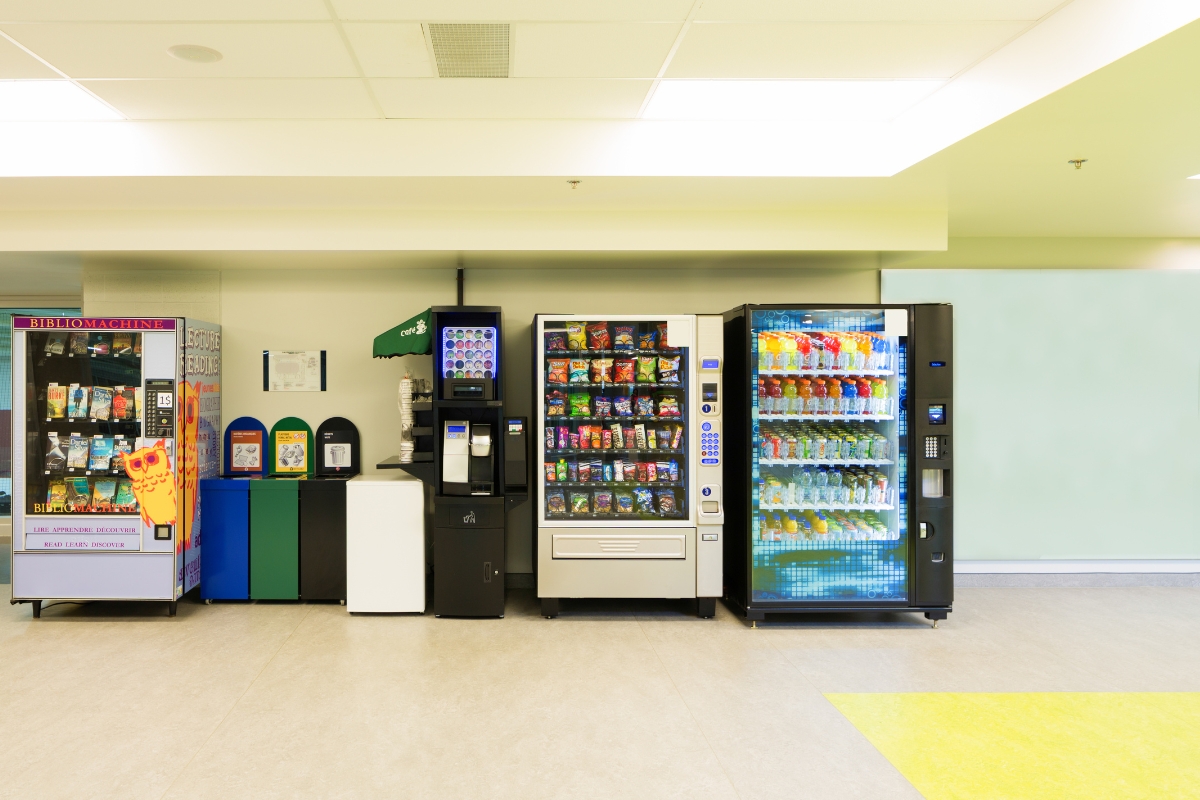
Office vending machines have become a popular convenience in workplaces, offering snacks, drinks, and sometimes office supplies. They save time for employees and can make the work environment more enjoyable. However, keeping these machines running smoothly and well-stocked requires regular attention. This guide will explain how to maintain and restock office vending machines effectively. It will also help businesses, including those looking for office vending machines in Chicago, manage their machines efficiently.
Why Maintenance Matters
Maintaining vending machines is more than just keeping them working. Regular care prevents breakdowns, ensures hygiene, and extends the life of the machines. Machines that are not properly maintained can fail, causing frustration for employees and leading to costly repairs. By following a simple maintenance routine, businesses can ensure machines are always ready to use.
Mechanical Checkups
Mechanical maintenance ensures all parts of the vending machine are working properly. This includes checking coin and bill acceptors, motors, refrigeration units, and dispensing mechanisms. Beverage machines need extra attention, such as inspecting water lines, carbonation systems, and heating elements. Testing these parts regularly helps spot problems early. Scheduling a check every month or two is a good practice to prevent sudden failures.
Cleaning and Hygiene
Keeping vending machines clean is very important. Machines can get dusty, sticky, or even contaminated if not cleaned regularly. Cleaning should include wiping the outside, sanitizing buttons or touchscreens, and removing expired products. For beverage machines, cleaning drip trays, nozzles, and water reservoirs prevents mold and bacteria. A weekly or biweekly cleaning schedule keeps machines safe and appealing.
Temperature and Inventory Monitoring
Machines that store perishable items need proper temperature control. Cold drinks and snacks must stay chilled, while hot items need to stay warm. Monitoring temperature ensures products stay fresh. Keeping an inventory log also helps track which items are popular and when they need to be restocked.
Restocking the Machines
Restocking vending machines is just as important as maintaining them. Timely and organized restocking ensures that machines have what employees want, without wasting products.
Understanding Product Demand
Knowing which products employees like is key to effective restocking. Observing usage patterns, checking sales data, and asking for feedback help identify high-demand items. For example, cold drinks may sell more in summer, while hot drinks and snacks may be more popular in winter.
Tips for assessing product demand:
- Track sales trends weekly or monthly.
- Rotate seasonal items to match employee preferences.
- Adjust inventory based on what is used most often.
Inventory Rotation and Frequency
Proper rotation keeps products fresh. New stock should be placed behind older products to make sure older items sell first. Check expiration dates during each restocking visit.
How often to restock depends on traffic and product type. High-traffic areas may need daily or every-other-day visits, while low-traffic areas may only need weekly restocking. Flexible scheduling ensures the machine is never empty or overstocked.
Sample Restocking Schedule
|
Machine Traffic |
Restocking Frequency | Notes |
|
High (50+ uses/day) |
Daily |
Keep popular items in stock and rotate inventory carefully |
|
Medium (20–50 uses/day) |
Every 2–3 days |
Check expiration dates and adjust based on sales |
| Low (<20 uses/day) | Weekly |
Focus on maintaining freshness and variety |
Common Problems and How to Fix Them
Even with good maintenance, vending machines can face common problems. Knowing how to troubleshoot these helps keep machines reliable.
Jammed Products
Product jams happen when items are too big, placed incorrectly, or if a machine part fails. Clear jams immediately and check why they happened to prevent repeats. Ensuring products fit the machine properly reduces the chances of jams.
Payment Issues
Coin or card payments sometimes fail. Check coin acceptors for debris and clean them regularly. For card-based machines, ensure software is updated and the connection works.
Temperature Problems
If refrigerated or heated machines fail to maintain proper temperatures, products can spoil. Monitor temperatures and service machines promptly if issues persist.
Choosing the Right Machine Location
Where you place a vending machine affects usage and maintenance efficiency. Machines should be in easy-to-reach spots where employees are likely to visit. Break rooms, lounges, or main hallways are ideal. Make sure there is enough space for employees to access the machine and for staff to perform maintenance and restocking.
Signage and Instructions
Clear instructions improve the user experience. Show how to select products and make payments. Highlight new or healthy options to encourage employees to try them.
Improving Efficiency with Technology
Using modern vending machines with smart technology makes maintenance and restocking easier. Machines that monitor inventory and temperature remotely save time and allow faster response to issues. Alerts can notify staff when stock is low or when a machine needs service.
Record Keeping
Keeping records of maintenance, restocking, and sales trends helps businesses make better decisions. Track which products sell the most and when. This information improves restocking efficiency and reduces waste.
Record-keeping tips:
- Maintain a log of each service visit.
- Track inventory changes and restocking dates.
- Record any machine issues and repairs.
Sustainability Practices
Eco-friendly practices are important in modern offices. Reduce waste by using products with less packaging and properly disposing of expired items. Energy-efficient machines save electricity and support environmental goals.
Conclusion
Maintaining and restocking office vending machines is essential to keeping them functional and satisfying for employees. Regular mechanical checks, cleaning, temperature monitoring, and proper restocking ensure machines operate smoothly. Choosing good locations, using technology, and keeping records improve efficiency and reduce waste.
For offices in urban areas, including those looking for office vending machines in Chicago, following these practices ensures machines are always stocked, clean, and reliable. By taking care of vending machines properly, companies can enhance employee satisfaction and create a more convenient and enjoyable workplace.
 neharajput
  harshali1
  kmkventuresusa