
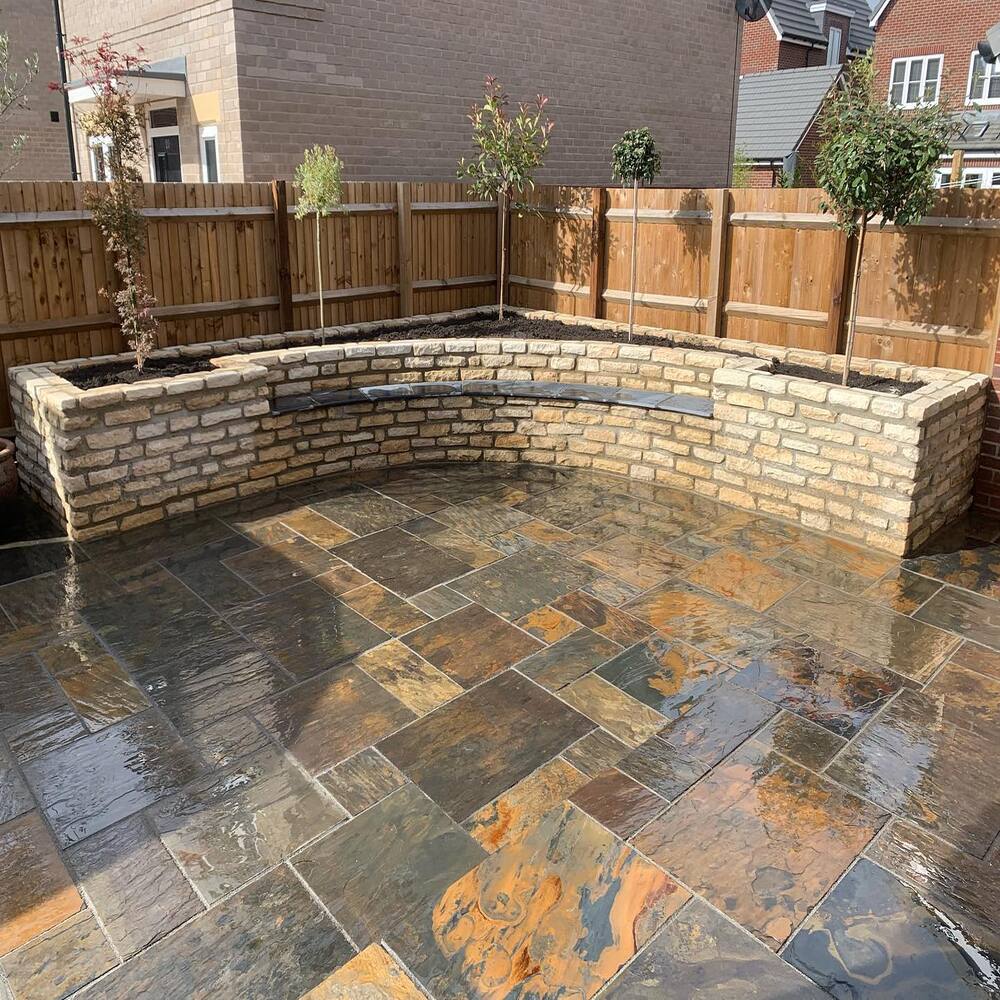
Patio Slabs: The Foundation of Outdoor Living and Quiet Comfort
There’s a moment that quietly repeats itself in many homes—early morning, soft light filtering across the backyard, and the cool touch of stone under bare feet. It’s a small thing, almost forgettable. Yet these moments shape how we experience home. And they happen, quite literally, on patio slabs.
Patio slabs rarely get credit for the lives built on them. They’re not flashy. They don’t demand attention. But they do something more meaningful—they hold space.
For laughter. For long talks. For those late-night cups of tea that somehow taste better outside.
They are the backbone of outdoor living, the stage for summer dinners and quiet winter afternoons.
But their simplicity hides a craft honed over centuries. And once you understand them, you start to see how much thought, engineering, and artistry lies beneath something so subtle.
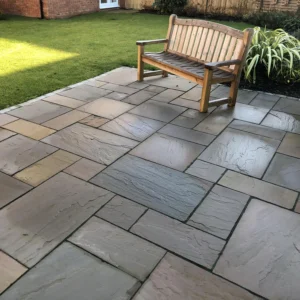
The Hidden Power of a Patio Slab
Most people think patio slabs are just stones arranged neatly in a backyard. Functional. Ordinary. Predictable.
But a good patio slab does more than fill space—it defines it.
A backyard without slabs is simply dirt and grass.
A backyard with slabs becomes usable, livable, and surprisingly emotional.
Why emotional?
Because humans are deeply influenced by the environments we create. The surfaces under our feet shape how grounded, safe, or even inspired we feel. It’s similar to walking through an ancient courtyard or a hotel terrace overlooking the sea—you respond not just to the view, but to the stone supporting you.
Patio slabs offer stability. Continuity. A little sense of order in a world that is often disorderly.
A Brief History Written in Stone
Patio slabs may feel modern, but they trace their roots to some of the oldest human settlements. Romans carved courtyards out of limestone. Middle Eastern merchants built shaded patios with sandstone. European homes stitched back gardens together with cobbles.
Stone, for centuries, has been humanity’s way of claiming a piece of the outdoors and turning it into something warm and domestic.
Today’s slabs evolved from that tradition. They’re smoother. Stronger. More consistent. But the purpose remains the same:
Create a place where the outdoors feels like home.
That’s the magic of a patio slab—they’re architecture and emotion woven together.
The Anatomy of a Good Patio Slab
Behind every reliable slab is a thoughtful mix of science and art. And if you’re choosing slabs for a home or project, understanding this anatomy helps you choose wisely.
1. Material
The material determines everything—durability, color, feel, even the “story” of the patio.
Common materials include:
-
Concrete slabs – versatile, modern, customizable
-
Porcelain paving – sleek, durable, low-maintenance
-
Natural stone slabs – sandstone, limestone, slate, granite
-
Reconstituted stone – engineered for consistent finish
-
Granite / quartzite – premium, long-lasting, weather-resistant
Each brings a different character.
Concrete feels contemporary. Sandstone feels warm. Porcelain feels clean. Slate feels grounded and dramatic.
Picking a material is less about technical specs and more about what speaks to the homeowner’s personality.
2. Thickness
A seemingly small detail—but one that decides performance.
-
18–22mm: perfect for patios without heavy loads
-
30mm+: for driveways or areas expecting weight
-
Thicker natural slabs: rustic aesthetic + longevity
Thickness is the silent guardian of stability. Too thin, and the slab cracks. Too thick, and installation becomes complex. The best slabs sit in that sweet spot where strength meets practicality.
3. Texture
Texture shapes emotion.
-
Smooth surfaces feel modern and calm
-
Riven stone feels handmade, traditional, nostalgic
-
Non-slip surfaces give confidence during monsoons or winters
-
Matt porcelain looks elegant under all lighting conditions
Texture determines how the patio feels in the morning, how it looks in the evening, and how it lives throughout the year.
The Psychology of Outdoor Spaces
Patio slabs do more than carry furniture—they influence how we behave.
They Encourage Gathering
Humans gravitate toward defined spaces. A clean, intentional patio naturally invites conversation, meals, and memories.
They Support Ritual
Morning tea becomes a ritual.
Weekend family lunches feel intentional.
A quiet evening outdoors becomes a habit.
These rituals strengthen emotional well-being—and they start with something as humble as a flat, reliable surface.
They Shape Movement
The layout of slabs guides how you walk, where you look, and where you pause.
A good patio design feels effortless; a bad one feels awkward without knowing why.
They Anchor the Home to Nature
Patios are the bridge between indoor structure and outdoor freedom.
Slabs act as the first step into fresh air, light, and open sky.
This interplay between control (architecture) and freedom (nature) is deeply human.
Why Patio Slabs Matter More Today Than Ever
Our relationship with home has changed. We want outdoor spaces that feel like extensions of the living room—comfortable, aesthetic, functional. Patio slabs are the foundation of that transformation.
1. They Expand Living Space
With good slabs, a backyard becomes a dining area, a play zone, a workspace, or simply a haven.
2. They Add Real Estate Value
A finished patio can significantly improve a property’s appeal. Buyers see it and instantly imagine lifestyle—not just square footage.
3. They Improve Drainage
Modern patio slabs work with slope and bedding layers to prevent water pooling.
4. They Reduce Maintenance
A slabbed patio is easier to clean, less prone to weeds, and far more durable than grass or gravel.
5. They Enhance Aesthetics
Colors, patterns, materials—they all contribute to a home’s personality.
Patterns That Tell Stories
Patio layouts aren’t just geometric—they communicate style and intention.
Linear Pattern
Clean lines. Minimalist energy.
Perfect for modern homes.
Staggered (Running Bond)
Soft on the eyes. Natural.
A gentle way to expand visual width.
Modular Multi-Size
Feels sophisticated and high-end without being overbearing.
Random Layout
Rustic charm. Imperfect beauty.
Feels like a Tuscan courtyard or old garden terrace.
Herringbone
Strong, timeless, enduring—like a well-built story.
Patterns shape emotion long before someone realizes it.
Installation: The Craft Beneath the Beauty
A patio’s strength isn’t only in the slab—it’s in the work underneath.
Behind every stable patio is an installer who understands soil, compaction, drainage, weather, and movement.
A perfect patio requires:
-
Proper excavation
-
A compacted sub-base
-
A consistent bedding layer
-
Correct fall for drainage
-
Jointing that resists weeds
-
Alignment that feels visually balanced
A skilled installer listens to the ground.
They adjust by instinct, not just measurement.
They tap each slab into place with a kind of quiet confidence.
That craftsmanship is what makes a patio last 20, 30, 40 years.
Choosing Patio Slabs: A Practical Human Guide
Here’s how most experts—and homeowners with taste—choose their slabs.
1. Start With the Mood
Do you want warm and earthy?
Modern and sharp?
Romantic and rustic?
Cool-toned and minimal?
Your patio should feel right before it looks right.
2. Think About Foot Traffic
-
Lots of kids? Go for durability and non-slip surfaces.
-
Entertaining guests? Choose clean lines and low-maintenance materials.
3. Consider Climate
Porcelain performs beautifully in wet areas.
Natural stone weathers gracefully with time.
Concrete handles heat well.
4. Match (or complement) the house
Don’t fight the architecture.
Blend with it.
5. Maintenance Realism
Be honest about upkeep.
If you want “install and forget,” porcelain is king.
Sustainability: The Next Evolution of Patio Slabs
Patio slabs are becoming greener—quietly, but significantly.
Recycled Concrete Slabs
Made from crushed waste material.
Porous or Permeable Slabs
Allow rainfall to naturally filter into the ground.
Cool Surface Technology
Reduces heat absorption in summers.
Ethically Sourced Natural Stone
Minimizes environmental and labor concerns.
The future is moving toward slabs that look good, feel good, and do good.
The Future of Patio Design
Tomorrow’s patios won’t just be prettier—they’ll be smarter.
Smart Drainage Systems
Integrated channels and permeable grids.
Modular Outdoor Rooms
Slabs designed for firepits, kitchens, seating, even lighting.
Hyper-Realistic Porcelain
Stone-look textures so close to natural stone that even professionals pause.
Ultra-durable composites
Low-carbon, high-strength materials.
Outdoor living is evolving—and patio slabs are leading the shift.
Why Patio Slabs Feel Personal
It’s strange how a piece of stone can hold meaning, but patios do that.
They witness:
First breakfasts.
Quiet breakdowns.
Barbecue nights with too much smoke.
Conversations that last till the stars appear.
A patio grows with you.
The slabs fade slightly, the edges soften, the moss creeps in—and somehow, that aging feels like companionship rather than decay.

Final Thoughts
Patio slabs may seem simple, but they shape how we live outdoors. They’re the quiet architecture supporting life’s smallest—and often most cherished—moments.
A good patio slab isn’t just chosen.
It’s felt.
It’s the difference between a backyard and a space where life naturally happens.
And maybe that’s why people keep returning to slabs year after year—because they anchor us, in a world that keeps moving.
Rhinoplasty and Septoplasty Your Complete Guide to a Confident Beautiful Profile
 eugeniaafanador
  akappliancerepair