
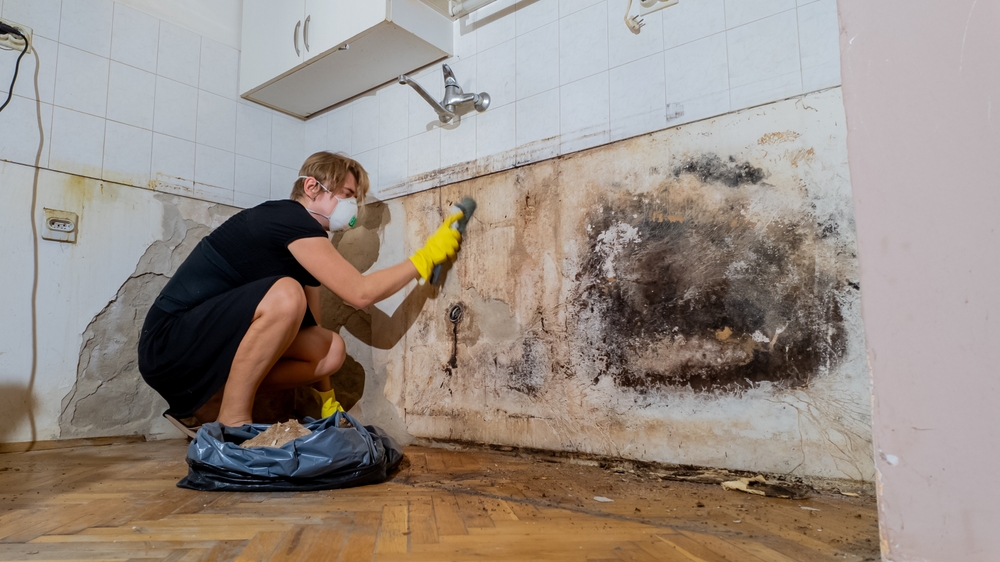
Mould and mildew aren’t just unpleasant, they’re persistent, sneaky, and surprisingly easy to overlook until they become a full-blown problem. Whether it’s that musty smell in the laundry room or the dark haze creeping along shower grout, mould thrives in places where busy working parents don’t have time to monitor every day. And while many families turn to professional options like cleaning services Calgary for deep home maintenance, there are also powerful natural methods you can use at home to prevent mould from taking over.
The good news? You can clean and prevent mould naturally, safely, and effectively without bleach fumes, harsh chemicals, or complicated routines.
This guide walks you through the best natural mould and mildew cleaners, why they work, and how to use them in a realistic, low-stress routine built for everyday family life.
The best natural ways to clean mould and mildew are using white vinegar, hydrogen peroxide (3%), baking soda, tea tree oil, and proper ventilation. Vinegar and peroxide kill mould spores, baking soda scrubs and deodorizes, and tea tree oil prevents regrowth.
Understanding Mould and Mildew: Why They Show Up So Often
Before diving into cleaning methods, it helps to understand why mould returns even after a good scrubbing.
Why Mould Forms
Mould thrives in:
- Moisture (bathrooms, basements, laundry rooms)
- Darkness
- Stagnant air
- Organic material (drywall, fabric, grout)
A steamy bathroom, damp towels, and a closed door create the perfect environment for spores to multiply, something most busy families don’t have time to manage constantly.
Mildew vs. Mould
- Mildew: Light-colored, powdery, surface-level fungus.
- Mould: Darker, fuzzier, and can penetrate surfaces.
Both can trigger allergies and create odours, but mould is more stubborn and difficult to remove.
1. White Vinegar: The #1 Natural Mould Killer
White vinegar is an excellent all-purpose cleaner, but it’s especially powerful against mould. It’s acidic enough to kill many common mould strains while still being safe for most surfaces.
Why It Works
The acetic acid in vinegar disrupts mould growth and helps break down buildup.
How to Use It
- Pour undiluted white vinegar into a spray bottle.
- Spray generously on the mouldy area.
- Let it sit for 60 minutes minimum.
- Scrub using a brush or sponge.
- Rinse and dry the surface thoroughly.
Where It Works Best
- Tile and grout
- Shower walls
- Sinks and faucets
- Plastic shower curtains
- Inside washing machines
- Window tracks
Busy Parent Time Saver
Do a quick vinegar spray in the bathroom before leaving for work. By the time you’re home, the hard part is already done, you wipe and move on.
2. Hydrogen Peroxide (3%)
Hydrogen peroxide is a natural antifungal and antibacterial disinfectant. It’s especially powerful on deeper mould that vinegar can’t fully remove.
Why It Works
As peroxide breaks down, it releases oxygen that attacks mould on a cellular level.
How to Use It
- Pour 3% hydrogen peroxide into a dark spray bottle (light breaks it down).
- Spray the mouldy area until saturated.
- Let’s sit for 10–15 minutes.
- Scrub and rinse.
- Dry completely.
Best Surfaces for Use
- Silicone caulking
- Bathtubs
- Toilet bases
- Shower doors
- Sealed stone
- Painted walls (test first)
Safety Reminder
Do not mix hydrogen peroxide with vinegar in one container. Using them separately is completely fine, avoid mixing them directly.
3. Baking Soda: Gentle, Natural Abrasion for Deep Cleaning
Baking soda doesn’t kill mould as effectively as vinegar or peroxide, but it’s excellent at dislodging, scrubbing, and deodorizing mouldy surfaces.
Why It Works
Its mildly abrasive texture lifts mould from grout and textured surfaces while neutralizing odours.
How to Use It (Spray Method)
- Mix 1 teaspoon of baking soda + 2 cups of water in a spray bottle.
- Spray the surface, scrub, and rinse.
For Stubborn Mould (Paste Method)
- Mix baking soda with water until thick.
- Apply to the area.
- Let’s sit for 10–15 minutes.
- Scrub and rinse.
Where It Shines
- Tile grout
- Front-loading washer gaskets
- Refrigerator seals
- Walls
- Floors
- Kitchen sinks
Busy Parent Tip
Keep a small container of baking soda paste in the bathroom. Do a quick scrub while your child plays in the bathtub, you’ll be amazed at the results.
4. Tea Tree Oil: A Powerful Natural Antifungal
Tea tree oil is one of the most effective natural mould preventatives and treatments. It’s more expensive but works exceptionally well.
Why It Works
Tea tree oil contains terpinen-4-ol, a natural antifungal compound.
How to Use It
- Mix 1 teaspoon tea tree oil + 1 cup water in a spray bottle.
- Shake well before use.
- Spray on the surface and do not rinse.
- Let it air dry.
Best Uses
- Recurring mould in shower corners
- Damp window sills
- Basement walls
- Fabric surfaces
- Car interiors
Parent-Friendly Hack
Use tea tree oil as a preventative spray once a week, especially in bathrooms your kids use often.
5. Lemon Juice: Natural Brightener and Mild Mildew Cleaner
Lemon juice is less potent than vinegar or peroxide but extremely useful for light mildew, freshening surfaces, and removing small stains.
Why It Works
Its acidity helps break down mildew while leaving a fresh scent.
How to Use It
Mix lemon juice with water at a 1:1 ratio and apply with a cloth or sponge. Scrub lightly and dry thoroughly.
Best For
- Light mildew in the fridge
- Sink drains
- Laundry stains
- Kitchen counters
- Cutting boards
6. Natural Mould Prevention for Busy Families
Cleaning solves today’s problem, but prevention saves time tomorrow.
Here are easy, practical tips for keeping mould away without adding stress to your already full schedule.
Simple Daily Prevention Strategies
Run Exhaust Fans After Showers (15–20 Minutes)
Many parents turn them off too early. Set a quick timer and let the fan handle moisture for you.
Squeegee the Shower Walls
Takes under 30 seconds and removes 75% of the water that leads to mould growth.
Hang Towels Right Away
Avoid towel piles one damp towel can raise humidity levels quickly.
Crack the Bathroom Door
Allows Humidity to disperse instead of condensing on walls.
Weekly Mould Prevention Tips
1. Quick Vinegar Spray
Spray shower walls and grout mid-week. No scrubbing required unless buildup appears.
2. Wash Bath Mats and Towels in Hot Water
Add ½ cup of baking soda for odour control and mould prevention.
3. Check Windows and Sills
Wipe condensation to prevent mildew growth.
4. Clean Washer Gaskets
Use vinegar or peroxide to wipe around the rubber seal this area grows mould easily.
Home-Wide Prevention Strategies
Use a Dehumidifier in Damp Areas
Basements, laundry rooms, or bathrooms without windows benefit greatly.
Keep Humidity Below 60%
Cheap humidity meters help you track levels easily.
Fix Leaks Quickly
Even small drips create major mould problems over time.
Keep Air Circulating
Use fans or open windows whenever possible.
What If Mould Keeps Coming Back?
If you’ve tried vinegar, peroxide, baking soda, and tea tree oil, and mould still returns, this may point to a deeper issue:
Possible Causes
- Hidden plumbing leaks
- Poor ventilation
- Basement moisture or foundation cracks
- Air conditioning issues
- Water trapped behind walls or tiles
In these cases, natural cleaners will treat symptoms—but not the root problem. A home inspector or mould specialist may be needed.
Conclusion
You don’t need harsh chemicals or hours of cleaning time to keep mould and mildew under control. With simple, natural ingredients like vinegar, hydrogen peroxide, baking soda, and tea tree oil, you can tackle mould safely and effectively, even with a packed schedule. And if you ever need a helping hand or want to complement your natural cleaning routine, reputable professional cleaners like Hellamaid can support you in maintaining a fresh, healthy home.
FAQs
What’s the best natural way to clean mould?
White vinegar and hydrogen peroxide are the most effective natural mould cleaners. Baking soda helps scrub away residue.
How do you clean mildew naturally?
Use vinegar on the surface and scrub with a baking soda paste for the best results.
Does vinegar kill mould permanently?
It kills many mould species, but prevention (ventilation, drying, dehumidifiers) is essential to keep it from returning.
Is tea tree oil good for mould?
Yes, tea tree oil is one of the strongest natural antifungals and prevents regrowth.
How can working parents prevent mould easily?
Run exhaust fans, dry towels quickly, leave shower doors open, and do a mid-week vinegar spray.
 onlinecricketid95
  propertyupdatehub
  henrywalker