
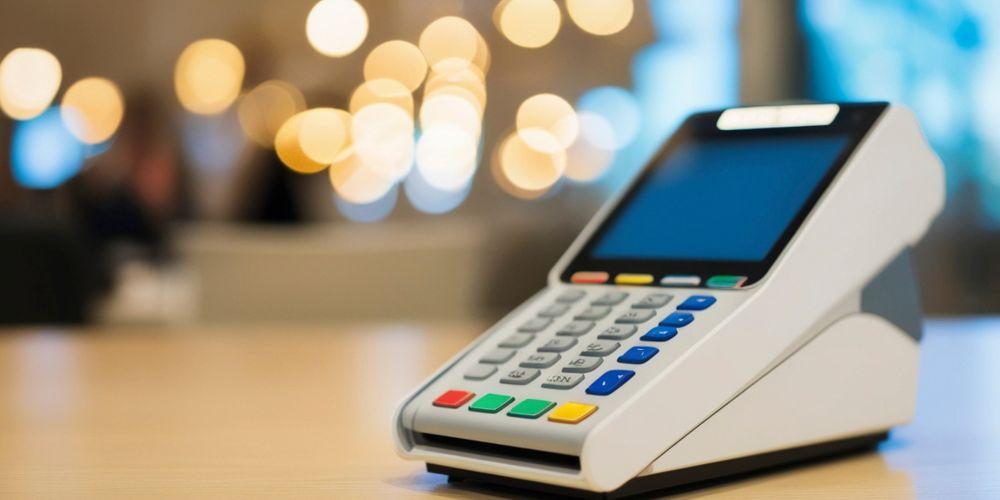
Retail businesses today operate in a fast-paced world where customers expect quick service, flexible payment options, and smooth shopping experiences. Long checkout lines, slow systems, or payment problems can easily drive customers away. As a result, technology has become one of the most important tools for retailers who want to stay competitive. One area where technology has made a major difference is in point-of-sale (POS) systems. These systems have evolved far beyond simple cash registers. They now manage sales, process payments, track inventory, support customer programs, and generate useful business reports.
Modern POS systems act as the central hub of retail operations. Instead of using separate tools for payments, stock tracking, and reporting, everything is handled in one connected platform. This change has helped retailers reduce mistakes, improve employee efficiency, and offer faster service to shoppers. Devices such as the Pax A80 represent how new POS technology is designed to make daily store operations easier while creating a better experience for customers.
In the past, many small businesses relied on basic checkout machines or even manual record-keeping. Cashiers would calculate totals by hand, managers would track inventory on paper, and business owners would wait days or weeks to review sales reports. This approach wasted time and increased the chance of errors. Slowly, digital POS systems replaced these methods, making information available instantly and allowing retailers to make quicker, better decisions. Today, advanced terminals provide much more power while remaining easy to use, helping stores of all sizes improve efficiency at every level.
Faster Checkout and Better Customer Flow
One of the most noticeable benefits of modern POS systems is faster checkout service. Customers value quick and smooth payment experiences, especially during busy shopping hours. Slow processing times or complicated systems can cause long lines and frustration. New-generation POS terminals process payments within seconds, ensuring that transactions are completed quickly regardless of how customers choose to pay.
These systems support multiple payment methods such as chip cards, tap payments, mobile wallets, and QR code-based transactions. Instead of switching between different machines or tools, everything happens on one device. This not only speeds up checkout but also reduces confusion for employees. Cashiers can handle different payment types with the same simple screen flow, allowing lines to move faster and customers to leave with a positive impression of the store.
Faster checkout directly improves retail efficiency because staff can serve more customers in less time. Shorter wait times encourage more walk-in traffic and repeat visits. In busy locations, even saving seconds per transaction can greatly improve daily sales capacity while keeping customers satisfied.
Simplified Staff Training and Productivity
Modern POS systems are designed with easy-to-use touch screens and clear menus. This user-friendly design has a huge impact on employee training. In older systems, new staff often needed weeks of hands-on experience to understand complicated buttons and handling processes. Mistakes were common, especially during peak hours.
Today’s POS terminals allow staff to learn basic operations within hours rather than days. Large icons, simple checkout steps, and automatic calculations reduce mental strain and improve confidence. With less time spent on training, managers can schedule employees more flexibly and reduce labor costs.
Employee productivity also improves because workers no longer juggle several manual tasks at once. The POS system automatically totals purchases, applies discounts, updates inventory counts, and records transactions. Cashiers can concentrate on customer service instead of worrying about calculations or paperwork. This boost in workforce efficiency improves team morale while maintaining accuracy at the checkout counter.
Real-Time Inventory Tracking
One of the greatest efficiency gains from modern POS systems is automated inventory management. Manual inventory tracking used to be slow and unreliable, often leading to product shortages or unnecessary overstock. Retailers sometimes wouldn’t realize an item was sold out until customers complained, damaging trust and losing potential sales.
With current POS technology, every sale instantly updates stock levels. Managers can see which items are selling well and which are sitting on shelves. Alerts can be set for low-stock situations so ordering happens before shelves go empty. This real-time tracking reduces waste and keeps best-selling products consistently available.
Efficient inventory management also improves cash flow. Businesses avoid tying up money in excess stock while ensuring top-selling products stay in supply. Over time, smarter inventory control leads to fewer missed sales opportunities and better storage planning.
Smart Reporting and Business Insights
Modern POS systems don’t just process payments—they provide detailed reports that guide smart decision-making. Sales data, customer traffic trends, high-performing products, and peak business hours are tracked automatically. Store owners can access this information daily instead of waiting for manual reports.
With these insights, managers can schedule staff according to busy periods, promote top-selling items, and optimize store layouts. For example, if reports show evening sales spikes, more employees can be scheduled during those hours to maintain service quality. If a product line underperforms, retailers can quickly revise pricing or promotions rather than wasting time and money.
At one point in the research of retail payment technology, many merchants look into options such as the Pax A80 Credit Card Terminal as an example of how modern terminals combine reporting tools with fast payment processing to support daily business planning.
Improved Customer Experience
Customer satisfaction strongly depends on how easy and pleasant a shopping experience feels. Modern POS systems help create a smoother journey from browsing to payment. Faster checkouts, electronic receipts, and loyalty program integration all enhance comfort for shoppers.
Digital receipts remove the need for printed paper slips, saving time and reducing waste. Customers appreciate receiving receipts directly via email or text message, which can also support returns and expense tracking. Loyalty programs are easily managed within POS systems, allowing customers to collect points or redeem rewards without complicated signups or additional steps.
Personalized promotions are also supported by POS data tracking. By identifying buying patterns, retailers can offer tailored discounts that feel relevant to customers. This personalized attention builds stronger connections and encourages repeat visits, which improve long-term profits.
Strong Security and Payment Protection
Security is a major concern in retail operations because payment systems store and transmit sensitive data. Older POS systems lacked modern encryption tools, increasing the risk of fraud or data breaches. Today’s systems include strong built-in security features that protect both customers and retailers.
Modern terminals use encrypted data transmission and secure hardware designs. Each transaction is protected through international security standards that reduce fraud risks and prevent unauthorized access. This built-in protection saves business owners from costly disputes, refunds, or damage to customer trust.
With secure payment processing handled automatically by the POS terminal, retailers avoid the expense of maintaining separate protection tools. Safer payments also strengthen customer confidence, encouraging more frequent transactions and digital payment adoption.
Supporting Online and In-Store Integration
Retail stores are increasingly connecting physical shopping locations with online platforms. Customers often browse online before making purchases in-store or vice versa. Modern POS systems support this connected retail model by syncing data across channels.
Inventory information can be shared across physical counters and online stores. Orders placed online can be picked up in-store, and stock levels stay accurate no matter where purchases happen. Loyalty rewards earned online can also apply to in-store shopping. This seamless experience eliminates confusion and improves customer satisfaction while reducing back-office complexity.
For retailers, this connected approach avoids duplicate tools and manual updates between systems. Everything syncs through the POS system, improving efficiency while expanding sales flexibility.
Easy Expansion and Business Growth
Scaling a retail business once required major technology overhauls. Opening new locations or adding new services meant replacing equipment and retraining staff extensively. Modern POS systems bring flexibility to business growth.
Software-based updates allow retailers to expand functions without buying entirely new hardware. New product categories, promotions, or loyalty programs can be added digitally. When opening new locations, businesses can easily duplicate POS setups, shortening launch times and lowering setup costs.
This flexibility supports growth without disrupting daily operations. As businesses grow, their POS systems grow with them, maintaining efficiency while supporting long-term expansion plans.
Lower Long-Term Operating Costs
While modern systems represent an initial investment, their long-term savings are significant. Using one device to manage payments, reporting, inventory, and customer programs reduces equipment costs. Faster processing and better inventory planning cut labor and storage expenses. Reduced mistakes and fraud lower financial risks.
Automated reporting also saves management time otherwise spent on paperwork or spreadsheet calculations. These operational savings compound month after month, making POS technology a cost-effective solution rather than a costly upgrade.
Conclusion
Modern POS systems have reshaped the retail industry by transforming how businesses serve customers and manage daily operations. Faster checkout speeds, accurate inventory tracking, employee-friendly designs, secure transactions, reliable reporting tools, and seamless online integration all contribute to higher efficiency and better customer satisfaction.
Devices like the Pax A80 highlight how technology blends simplicity with advanced features to support retail success. These systems are no longer just tools for processing payments—they act as business partners that help retailers reduce costs, improve service, and grow sustainably in a competitive marketplace.
As customer expectations rise and retail landscapes continue to evolve, investing in modern POS systems is no longer optional. It is a practical step toward building an efficient, flexible, and customer-centered retail operation prepared for the demands of the future.
https://digital24hour.com/
 akappliancerepair