
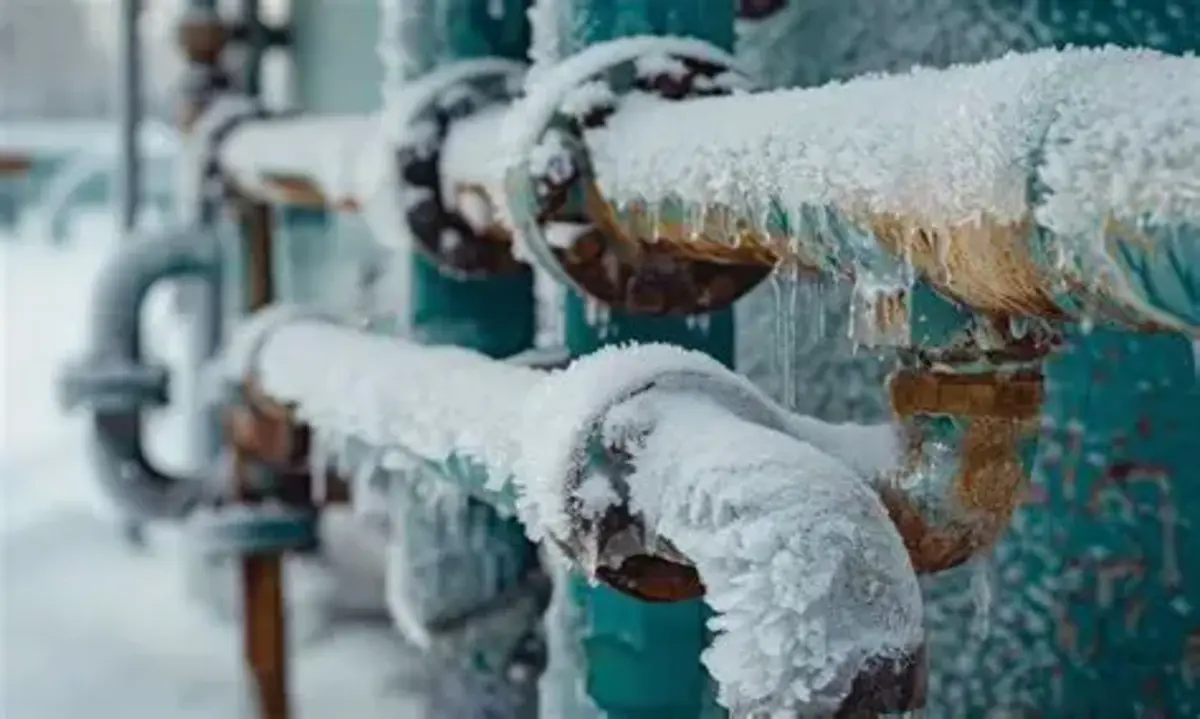
Winter creates tough conditions for plumbing systems across the world. As temperatures drop, water inside pipes can freeze, expand, and lead to costly damage. Preventing frozen pipes is not only about comfort. It protects buildings, reduces repair expenses, and keeps water systems reliable. Whether you operate a residential property, manage commercial facilities, or work in the plumbing industry, understanding how to prevent winter plumbing failures is essential.
This guide offers clear, practical advice supported by professional insight. It covers how frozen pipes form, how to avoid them, and how to keep entire plumbing systems stable during the coldest months of the year.
Why Frozen Pipes Are a Global Issue
Frozen Pipes are not limited to cold regions. Sudden cold snaps can affect buildings that were never designed for winter stress. A single night of freezing temperatures can lock water inside exposed lines, causing pressure that cracks pipes from the inside. The damage often remains hidden until thawing begins and leaks appear.
In commercial and industrial settings, frozen lines can interrupt operations and affect safety systems. For example, fire sprinkler networks are vulnerable when temperatures fall below freezing in uninsulated areas. Even in tropical regions, rooftop storage tanks and exposed supply lines can freeze during unusual weather patterns.
Understanding the causes is the first step toward prevention. Pipes most at risk include those in unheated areas such as attics, exterior walls, basements, crawl spaces, under sinks, and in mechanical rooms with poor insulation.
Insulation: The First Line of Defense
Pipe insulation is the simplest and most effective way to reduce the risk of freezing. Foam sleeves, fiberglass wraps, and advanced insulation materials help retain heat inside the pipe. Insulation should be continuous, with joints sealed to prevent cold air infiltration.
Key points for effective insulation:
- Focus on exposed pipes, especially those closest to outside walls.
- Select insulation materials rated for low temperatures.
- Inspect older insulation for gaps, moisture damage, or compression.
- Combine insulation with heat cables in high risk zones.
The quality of insulation materials matters. Products designed for extreme temperature variation offer more reliable protection. In commercial applications, closed cell insulation is often preferred because it resists moisture and maintains thermal performance over time.
Heat Cables and Smart Heating Solutions
When insulation alone is not enough, heat cables provide a steady source of warmth directly on the pipe. Modern systems include self regulating cables that adjust output based on temperature. This improves safety and energy efficiency, making them useful for both residential and industrial settings.
Best practices for heat cables:
- Install according to manufacturer guidelines.
- Ensure cables make full surface contact with the pipe.
- Avoid overlapping heat cables, which can create hot spots.
- Pair with automated thermostats for precise control.
Smart heating systems can integrate with building automation, allowing facility managers to monitor temperatures remotely and respond before pipes freeze.
Maintain Steady Indoor Temperatures
Many winter plumbing failures occur in buildings left unoccupied or under heated. A consistent indoor temperature keeps water in motion and reduces freezing risk.
To maintain stability:
- Keep the indoor temperature at or above 55°F (13°C) even when the building is empty.
- Open cabinet doors under sinks to improve warm air circulation.
- Seal gaps around windows, doors, and utility penetrations.
- Use space heaters with caution and according to safety standards.
Commercial buildings benefit from regular HVAC checks to ensure heating systems operate efficiently during cold periods.
Let Water Flow During Extreme Cold
Water movement prevents freezing. During extreme cold, a slow trickle through vulnerable faucets can keep temperature inside pipes above freezing. While this increases water use, the cost is far lower than the price of repairing a burst line.
Focus on:
- Fixtures connected to known problem areas.
- Hot and cold lines, since both can freeze.
- Drains that can handle continuous flow.
Property managers often schedule controlled flow periods during the coldest nights to protect entire plumbing networks.
Winter Plumbing Problems Beyond Frozen Pipes
Frozen Pipes are the most common winter issue, but they are not the only threat. Cold weather creates several additional problems that deserve attention.
Blocked Drains
Grease, soap, and organic matter harden faster in cold conditions. Outdoor drains and gutters can freeze solid. Regular cleaning and the use of strainers help maintain flow.
Water Heater Strain
Water heaters work harder in winter. Sediment buildup reduces efficiency and increases the chance of failure. Flushing the unit and checking the anode rod can extend performance.
Broken Hose Bibs
Exterior faucets often freeze if not winterized. Installing frost proof models and using insulated covers prevents damage. Commercial sites may benefit from automatic drain valves.
Septic System Stress
Cold temperatures slow bacterial activity in septic tanks. Insulating the tank lid and keeping drain fields clear of compacted snow can help maintain function.
Preventive Maintenance and Professional Inspection
Routine inspection is the foundation of winter plumbing protection. A professional evaluation before the cold season can identify weak points that might go unnoticed. Pressure tests, thermal imaging, and flow assessments help detect hidden risks.
Consider professional support for:
- Insulation upgrades
- Heat cable installation
- Water heater maintenance
- Leak detection
- Commercial system audits
Manufacturers and plumbing suppliers offer a wide range of products designed to support winter readiness. Choosing high quality materials ensures reliability when temperatures fall.
Final Thoughts
Winter plumbing issues are predictable and preventable. With the right materials, smart heating solutions, and consistent maintenance, Frozen Pipes and other cold weather problems can be avoided. Whether you manage a single home or a global portfolio of properties, a proactive approach keeps systems safe, efficient, and ready for any climate.
Article post by: harga ac 1/2 pk – https://acjakarta.com
 webguruz
  mastersoftware
  Sulina1