
Living with a Left Ventricular Assist Device (LVAD) often requires meaningful adjustments to daily routines, particularly when it comes to physical activity. Many individuals who use devices such as the LVAD HeartMate system are encouraged by clinicians to remain active—but only with the proper precautions and the right supportive gear. The goal is always the same: to stay safe, protect the equipment, and support comfortable movement during everyday tasks, light exercise, or supervised fitness routines. This article explores some of the most functional and widely recommended exercise and activity gear for LVAD patients. It also explains why thoughtful clothing, device-support systems, and accessory choices matter—and how they can improve stability, comfort, and confidence during movement.
Understanding Activity Needs for LVAD Users
LVAD patients often experience improvements in energy levels after recovering from surgery, and doctors may gradually introduce walking, stretching, or low-impact exercise. According to reputable cardiac care guidelines from institutions such as the American Heart Association, moderate physical activity can help with circulation, mood, mobility, and overall strength. However, mobility with an LVAD requires extra attention. The driveline, battery pack, controller, and cords must stay secure and protected at all times. This is why thoughtful gear—including adaptable LVAD clothing, breathable carriers, and supportive harnesses—plays a critical role.
Why Specialized Clothing and Carriers Matter?
Exercise movements such as bending, reaching, or stretching can tug at the driveline if the equipment isn’t stabilized. Clothing designed with discreet internal pockets or harness-style carriers helps distribute weight evenly and reduces unnecessary pull on the device. Certain LVAD shirts or vests can also help manage heat buildup during activities by using breathable materials. Heat management is important because many LVAD users may experience sensitivities near surgical sites or around the controller. An additional benefit of specialized garments is emotional comfort. When device components remain discreet and secured, many LVAD users report better confidence and freedom of movement.
Support Gear That Helps During Activity
Clothing With Secure Internal Pockets
Clothing designed with reinforced pockets can help hold batteries close to the body. This reduces bouncing or shifting during walking or light exercise. Fabrics that stretch without constricting the torso are typically preferred. For readers exploring clothing designed to help stabilize device components, some rely on improved options labeled as LVAD clothing that incorporate soft linings and internal cable routing.
HeartMate-Specific Carriers
Patients using the HeartMate system often benefit from carriers made to fit the format and dimensions of the device. A secure, well-balanced carrier helps distribute weight evenly across the shoulders or torso, especially during extended walking or outdoor activity. Some individuals choose solutions described online as HeartMate accessories, which can include stable gear configurations that reduce sway or shifting of equipment.
Activity-Friendly LVAD Shirts
Soft, stretchable LVAD shirts with built-in compartments are useful for patients who prefer a more integrated and low-profile setup. These types of shirts can help reduce irritation around the driveline exit site, especially during movements that involve arm swings or torso rotations. They can also help keep cords organized, which reduces the chance of accidental snagging—an important safety consideration endorsed by many clinical patient-education programs.
Breathable Belly Bands and Waist Belts
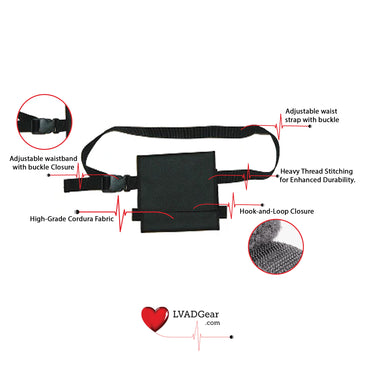
Some LVAD patients prefer adjustable waist belts or belly bands during exercise. These accessories secure the controller close to the body without adding extra weight to the shoulders. When using a band, it’s essential to make sure the material is soft, breathable, and not too tight around sensitive areas. An expert insight: Physical therapists who work with LVAD patients often recommend belts that distribute pressure across a wide surface rather than narrow elastic bands, which may cause discomfort or affect posture over time.
Lightweight Backpacks and Chest Rigs
For patients who want hands-free mobility during outdoor walks or supervised exercise, lightweight backpacks or chest rigs can be beneficial. The best options lie flat against the body and prevent equipment from shifting, even when transitioning between sitting, standing, and walking. Minimalist chest rigs are useful for activities that require flexibility, while backpacks offer more space and weight distribution for longer outings.
Sweat-Resistant Fabrics and Moisture Control
Because equipment must stay dry, sweat control becomes an important factor. Moisture-wicking fabrics help keep the torso cool during activity, minimizing irritation around the device site. This is especially valuable for patients living in warmer climates or engaging in moderate outdoor routines. Breathable fabrics are also easier to layer, giving users more control over body temperature and reducing discomfort that can arise from overheating.
Footwear That Supports Balanced Movement
Although not directly related to the LVAD device itself, supportive footwear reduces unnecessary strain on the body and complements safe activity. Walking is one of the most commonly recommended exercises for LVAD users, so shoes with cushioning, good grip, and ankle stability can make a meaningful difference.
Cable Protection Sleeves
Soft cable covers or sleeves help keep the driveline protected under clothing. These sleeves reduce friction and can prevent irritation during walking or gentle stretching. Choosing materials that don’t trap heat is particularly important.
Practical Tips for Staying Active Safely
- Follow clinical guidance first. LVAD patients should always follow activity plans approved by their cardiac care team.
- Start slowly and track progress. Walking a few minutes at a time is often the first step toward improving stamina.
- Keep hydration accessible. Staying hydrated supports cardiovascular function and reduces fatigue.
- Inspect gear regularly. Look for loose seams, worn straps, or anything that may compromise device security.
- Monitor for symptoms. Dizziness, sharp pain, or unusual fatigue should be reported to a clinician immediately.
Expert Insight: The Importance of Proper Fit
A cardiology rehabilitation specialist from a major medical center once noted that “the right LVAD gear is less about brand and more about biomechanical support.” When equipment stays close to the body’s center of gravity, there is less strain on the torso and shoulders. This helps reduce the risk of device tugging, posture imbalance, or fatigue during activity. This expert perspective emphasizes the importance of choosing gear that fits the individual—rather than assuming all garments or carriers serve the same function.
Conclusion
Exercise and activity can be both safe and beneficial for LVAD patients when proper precautions and supportive gear are in place. Whether someone prefers adjustable carriers, integrated LVAD shirts, or breathable specialty clothing, the main goal remains the same: comfort, stability, and confidence in movement. With thoughtful planning, guidance from healthcare professionals, and carefully chosen gear, LVAD users can maintain an active lifestyle that supports both physical strength and overall well-being.
FAQS
1. What types of clothing are safest for LVAD patients during exercise?
People often ask which fabrics, fits, and designs help keep batteries and the controller secure during activity.
2. Can LVAD patients do light exercise or walking safely?
This is one of the most searched questions related to activity and LVAD recovery.
3. What gear helps keep the LVAD driveline protected during movement?
Users are typically looking for belts, shirts, or carriers that prevent pulling or irritation.
4. Are there special LVAD shirts or vests for working out?
Search interest is high around low-profile clothing options with built-in pockets or compartments.
5. How can HeartMate users secure their equipment while staying active?
Many people search for HeartMate-specific carriers or support gear for safe movement.
6. Which exercises are commonly recommended for LVAD patients?
Users usually search for low-impact activities like walking, stretching, and supervised routines.
7. Is sweating a problem for LVAD equipment during workouts?
People want to know if sweat can affect devices and what moisture-wicking clothing is best.
 Tasmiya
  angelhealu5034
  lavanyareddy