
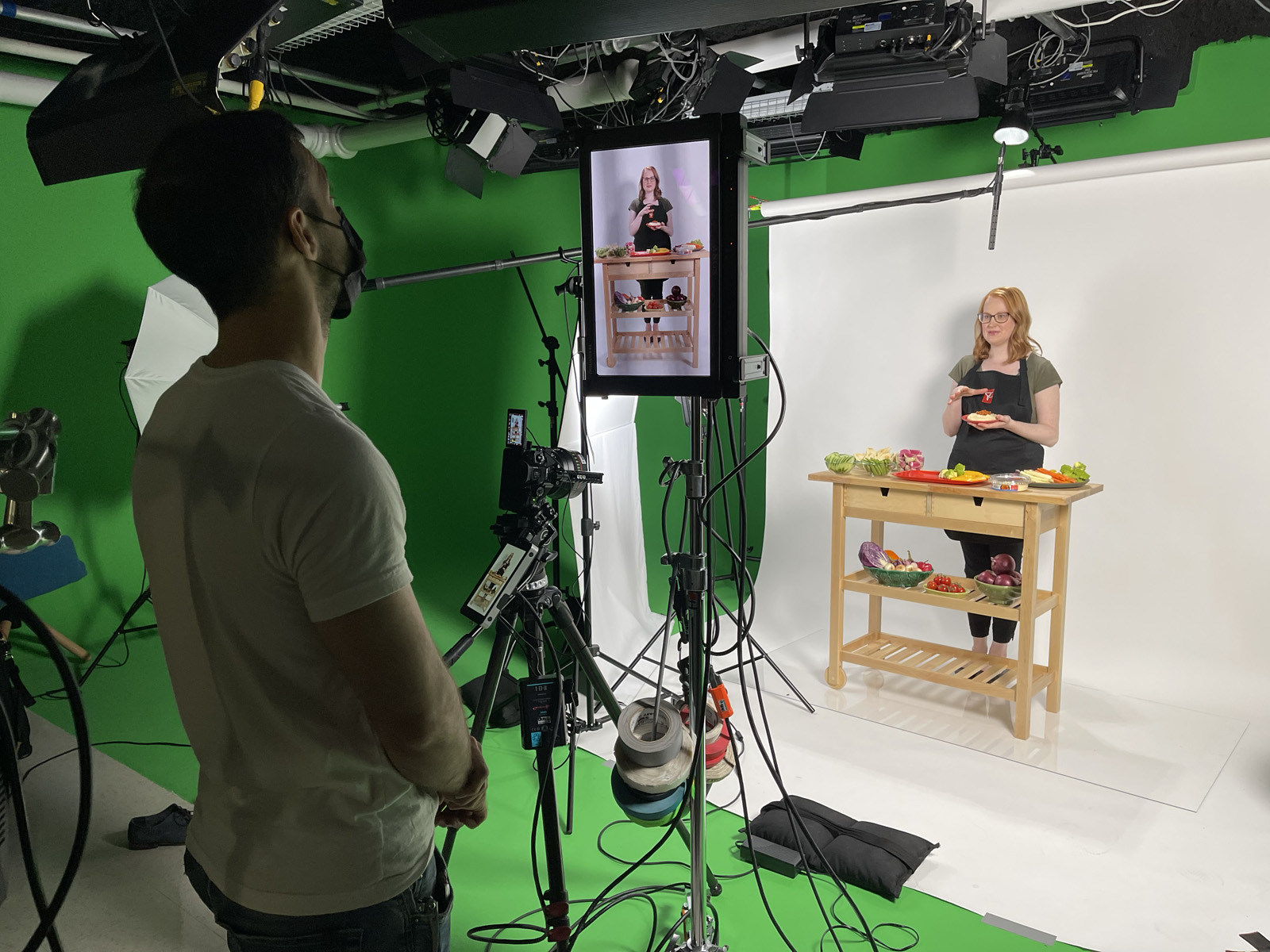
Toronto is more than Canada’s largest city — it’s a creative engine where advertising, tech, culture, and commerce meet. If your brand needs video that moves viewers, drives clicks, or builds long-term awareness, hiring the right Toronto video production agency matters. This guide walks you through what top agencies do, why Toronto is a smart place to produce video, the typical production process, the types of videos you can create, how much it costs, how to evaluate agencies, and practical tips to get the most from your partnership.
Why Toronto Is a Great Place to Hire a Video Production Agency
Toronto offers several practical advantages that directly affect the quality, speed, and cost-efficiency of video production:
Deep creative talent pool. Directors, DPs, editors, motion designers, and sound engineers here often work on international commercial and feature projects — so you get experienced crews without international travel logistics.
Full-service infrastructure. Sound stages, rental houses, post-production suites, colorists, VFX shops, and music supervisors are all local and well-equipped.
Diversity of locations. Need a gritty urban street, a leafy suburban front-yard, a tech office, or a waterfront skyline? Toronto can deliver multiple looks within a short drive.
Cost competitiveness. Compared to many U.S. production centers, Toronto can be more cost-effective—especially if you optimize for local crews and incentives.
Multilingual and multicultural casting. The city’s multicultural population makes authentic casting and localized messaging simpler and more effective.
All that means you can produce high-quality, culturally relevant video that scales for domestic or international campaigns.
What a Full-Service Video Production Agency Does
A true full-service agency takes a project from idea to final delivery and often Best Corporate Video Toronto. Core services include:
Strategy & creative development. They help translate business goals into a creative brief and concept that actually performs (brand films, social-first hooks, explainer narratives, etc.).
Scriptwriting & storyboarding. Tight scripts and visual plans save time on set and ensure your message is clear.
Budgeting & production planning. Line-item budgets, schedules, and risk planning keep projects on track.
Casting & talent management. From principal actors to on-screen staff and voiceover artists.
Locations, permits & logistics. Agencies manage location scouting, municipal permits, insurance, and community relations.
Production (shooting). Camera, lighting, sound, on-set direction — the core creative execution.
Post-production. Editing, color grading, sound design, music licensing/composition, motion graphics, and final mastering.
Deliverables & optimization. Multiple aspect ratios and encodes for TV, YouTube, Instagram, TikTok, connected TV, and OOH.
Distribution support & campaign measurement. Some agencies also help coordinate media strategy, A/B testing, and performance monitoring.
Smaller boutiques may specialize in a subset of these services (e.g., social-first content or high-end branded films), while larger houses provide end-to-end campaign capabilities.
Types of Videos You Can Produce
Choosing a Toronto agency starts with knowing what you want to produce. Common production types include:
Brand Films / Corporate Storytelling. Longer-form narratives that communicate brand values and build emotional connection.
TV & Broadcast Commercials. High-production spots for linear TV and premium streaming placements.
Social & Performance Ads. Short, attention-grabbing creatives optimized by platform and audience data.
Product Demos & E-commerce Videos. Clear, conversion-focused clips for product pages and ads.
Explainers & Motion Graphics. Animated or graphic-heavy pieces that simplify complex ideas.
Event & Live Streaming. Multi-camera streams, hybrid events, and post-event highlight reels.
Recruitment & Internal Communications. Videos that help hire talent and keep teams aligned.
Testimonial & Case Study Videos. Human-first proof that supports the sales cycle.
AR/VR & Interactive Content. Advanced formats for immersive experiences and experiential marketing.
Different agencies will have different strengths; matching their portfolio to your needs shortens the learning curve.
The Typical Production Timeline (and What You Control)
Production timelines vary by scope, but here’s a practical roadmap you can expect:
Discovery & Brief (1–2 weeks): Strategic alignment on goals, audiences, tone, and metrics. You control clarity of objectives and stakeholder access.
Creative & Scripting (1–3 weeks): Concepting, script drafts, and storyboards. You control approvals and feedback turnaround.
Pre-Production (1–3 weeks): Casting, location scouting, scheduling, and technical prep. Your input on talent and legal approvals matters.
Production / Shoot (1–7 days): Actual filming. On-set decisions impact final footage—be present or trust the director.
Post-Production (2–6 weeks): Editing, revisions, color, VFX, and audio finishing. Faster feedback cycles shorten delivery times.
Delivery & Optimization (1 week): Final encodes for each platform and any last-minute QC. You approve final masters.
A realistic timeline avoids rushed decisions, lowers cost overruns, and delivers higher quality.
How Much Will It Cost? (Ballpark Ranges)
Budget depends on crew size, production days, talent, post needs, and scale of distribution. Typical ranges:
Low-budget social content: CAD 3,000–15,000 — small crew, single location, fast turnarounds. Good for test campaigns.
Mid-range digital & branded content: CAD 15,000–75,000 — multiple shoot days, professional crew, motion graphics.
High-end broadcast or cinematic brand film: CAD 75,000–500,000+ — directors with name recognition, complex production design, VFX, and premium post.
Always ask for a line-item budget. Key cost drivers include talent fees, permits, equipment rental, VFX, music licensing, and compressed timelines.
How to Evaluate and Choose the Right Agency
Here’s a practical checklist to assess prospective Toronto video production agencies:
Portfolio relevance. Look for recent case studies that match the tone and quality you want.
Results, not just pretty reels. Ask for performance data: view rates, engagement, conversion lift, or brand lift studies.
Process transparency. Do they provide clear timelines, approval gates, and contingency plans?
Team & technical capability. Who will run the shoot and the edit? Request CVs or bios for key personnel.
Communication & chemistry. You must work closely—choose people you trust and who are responsive.
Legal & insurance posture. Ensure they manage releases, rights, and carry production insurance.
Post-production & deliverables expertise. Can they handle multiple aspect ratios, captions, and platform optimization?
Budget honesty. Do they explain trade-offs and offer alternatives that meet objectives without unnecessary spend?
References. Speak with past clients about schedule adherence, problem-solving, and after-delivery support.
A strong pitch includes creative thinking plus a clear plan for measurable outcomes.
Questions to Ask During Agency Pitches
When you talk to agencies, ask:
What similar work have you produced and what did it achieve?
How do you approach creative strategy and audience testing?
Who will be the day-to-day contact and who leads creative decisions?
What’s your revision policy and how many rounds are included?
How do you handle platform-specific deliverables?
What’s the backup plan if there’s bad weather or a key talent cancels?
Can you provide references and a sample detailed budget?
Their answers reveal operational maturity as much as creative talent.
Maximizing Value: Best Practices for Working with an Agency
Define objectives and KPIs upfront. Are you optimizing for awareness, engagement, leads, or sales? KPIs inform creative choices.
Lock down a realistic brief. Clear scope reduces change orders and keeps costs predictable.
Allocate time for approvals. Schedule dedicated review windows to avoid bottlenecks.
Capture extra assets. Ask the agency to deliver B-roll, stills, captions, and vertical cuts during the shoot — it increases repurposing potential.
Plan for A/B testing. Produce variant hooks or CTAs to learn what performs best.
Respect the creative process. Trust the experts but be ready with decisive feedback.
Build a post-project library. Archive masters and project files so future are fast and cheap.
These practices turn a single project into a longer-term asset base.
Trends in Toronto Video Production (What to Watch)
Short-form, performance-first creative. Ads that hook in 1–3 seconds and adapt by platform.
Hybrid live/virtual experiences. Event captures that are both in-person and broadcast-ready.
Sustainable production practices. Green set operations, carbon reporting, and local sourcing.
Interactive and immersive content. AR filters, shoppable videos, and 360 experiences.
Data-driven creative optimization. Rapid iteration informed by viewer metrics and heatmaps.
Pick agencies that show they understand these trends and can implement them responsibly.
Final Thoughts
A Toronto video production agency can be a strategic advantage when it combines sharp creative thinking with disciplined production execution and measurable outcomes. Start with clear objectives, match the agency’s strengths to your needs, and set practical expectations around timelines and budgets. Whether you need high-impact broadcast commercials, social-first performance ads, or a brand film that lives on your site, the right Toronto partner will help you tell the story that moves your audience and drives real business results.
 stevesmith
  tractor123
  industrytrends