
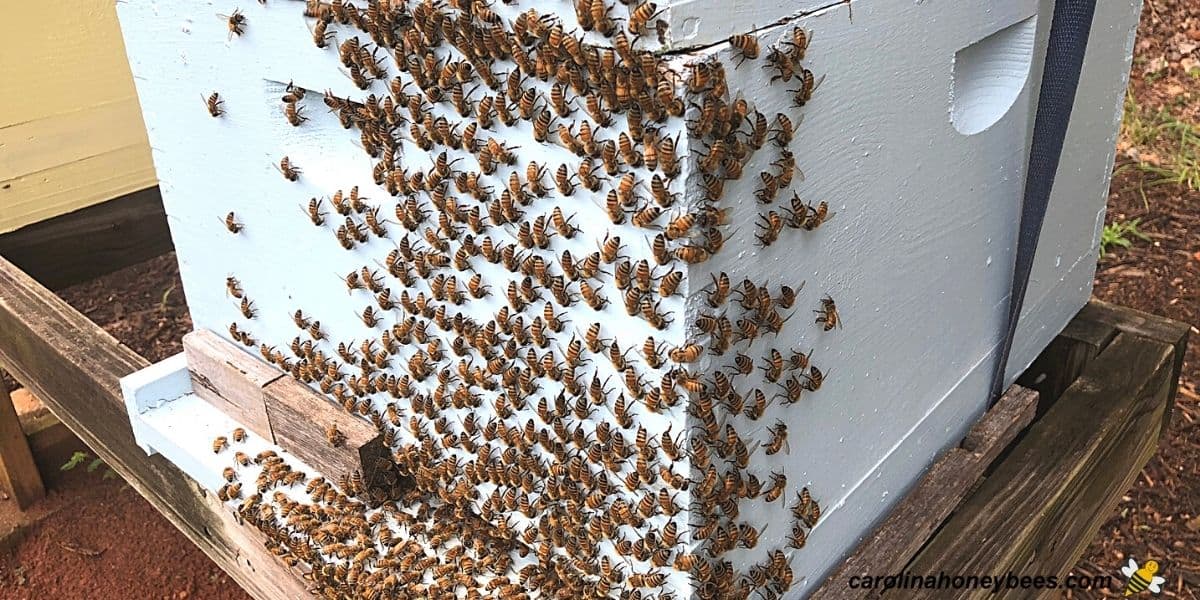
Spending time on a porch often represents comfort, reflection, and connection with outdoor surroundings. However, when bees begin hovering persistently, that calm atmosphere can quickly feel disrupted. While bees play an essential ecological role, homeowners understandably seek peaceful coexistence without harming pollinators or using harsh chemicals. Natural deterrents provide an ethical and effective solution, especially when applied thoughtfully and consistently. Among the most trusted natural approaches, aromatic oils stand out for their plant-based origins and behavioral influence on insects. Understanding how scent affects bee navigation allows homeowners to guide activity away from human spaces without causing distress or environmental damage.
Moreover, using natural repellents aligns with sustainable living values, reducing chemical exposure for families, pets, and surrounding plants. This approach emphasizes redirection rather than elimination, ensuring outdoor spaces remain inviting while respecting nature’s balance. With proper application, timing, and placement, scent-based deterrents can become part of a long-term porch management strategy. The following sections explore how scent influences bees, which natural oils are effective, and how these methods integrate with professional support when needed. Together, these insights help create a porch environment that feels welcoming, safe, and environmentally responsible.
Understanding Why Bees Avoid Certain Aromatic Oils
Bees rely heavily on scent to navigate their environment, locate flowers, and communicate within colonies. Their highly developed olfactory systems detect subtle chemical signals in the air, helping them identify food sources and potential threats. Certain plant-derived scents interfere with this process, creating mild sensory confusion that encourages bees to seek calmer, more familiar locations. This natural aversion forms the foundation of using aromatic oils as gentle deterrents rather than aggressive repellents.
Unlike pesticides, scent-based methods do not harm bees or disrupt colony health. Instead, they influence movement patterns by signaling an unsuitable environment. Many plants evolved these scents as protective mechanisms, discouraging insects from lingering too long. When these concentrated oils are introduced near porches, bees instinctively redirect their flight paths elsewhere.
Additionally, environmental factors such as temperature, airflow, and nearby flowering plants influence effectiveness. For example, warm weather amplifies scent diffusion, while breezes can carry aromas farther than expected. Therefore, understanding why bees react to certain scents helps homeowners apply these oils more strategically. Rather than reacting emotionally to bee presence, informed scent placement encourages respectful coexistence. Over time, this knowledge builds confidence in managing outdoor spaces naturally and responsibly.
Selecting Effective Aromatic Oils for Porch Areas
Choosing the right oils plays a critical role in achieving consistent results. Not all plant-based scents affect bees equally, and some may even attract them unintentionally. Oils derived from strong-smelling herbs and trees tend to work best, particularly when their fragrance overwhelms floral cues. Peppermint, eucalyptus, clove, and citronella have long histories of insect deterrence, making them reliable choices for porch environments.
When selecting aromatic oils, purity matters significantly. Synthetic fragrances often lack the chemical complexity required to influence insect behavior effectively. High-quality essential oils retain natural compounds that bees instinctively recognize as unfavorable. Additionally, dilution ratios must be considered carefully to ensure scents remain noticeable without becoming overpowering for humans.
Application surfaces also influence oil performance. Porous materials absorb oils gradually, releasing scent over time, while smooth surfaces may require more frequent reapplication. Homeowners should consider porch layouts, including railings, planters, and entryways, when planning placement. By selecting appropriate oils and understanding how they interact with environmental conditions, porch spaces can remain pleasant without disrupting nearby gardens or pollination routes.
Applying Aromatic Oils Safely Around Living Spaces
Proper application ensures effectiveness while maintaining household safety. Oils should never be applied directly where skin contact or pet exposure is likely. Instead, strategic placement along porch edges, columns, and entry points creates a subtle scent barrier that gently redirects bee traffic. Using absorbent materials such as cotton pads or untreated wood helps disperse fragrance evenly over time.
Consistency matters when working with aromatic oils, as natural compounds evaporate gradually. Reapplication schedules should align with weather patterns, especially after rain or high humidity. Furthermore, rotating scents periodically prevents bees from adapting to a single aroma. This approach maintains long-term effectiveness without increasing oil concentration.
In situations where bee activity escalates beyond manageable levels, combining natural deterrents with professional guidance becomes essential. Homeowners experiencing recurring hives near porches may benefit from consultation with a bee relocation service in Nashville, TN, which specializes in humane removal while supporting natural deterrence strategies. Integrating professional expertise with scent-based methods ensures safety, compliance with local regulations, and long-term peace of mind. Thoughtful application transforms porches into harmonious shared spaces rather than contested territory.
Supporting Porch Harmony With Aromatic Oils Over Time
Long-term success depends on observation, patience, and minor adjustments. Bees may initially investigate scented areas before fully redirecting their activity. This behavior reflects curiosity rather than resistance. Over time, consistent scent presence encourages new flight patterns, reducing porch visits significantly. Homeowners should monitor activity patterns and adjust placement based on seasonal changes and nearby blooming cycles.
Using aromatic oils as part of a broader porch management plan enhances results. Removing food residue, limiting sugary drinks outdoors, and maintaining clean surfaces reduce competing attractants. Additionally, positioning flowering plants farther from porches helps reinforce scent-based boundaries. These combined efforts create a cohesive environment that naturally discourages lingering bees.
Environmental responsibility remains central to this approach. By choosing humane deterrents, homeowners contribute to pollinator conservation while protecting personal comfort. Over seasons, these methods foster coexistence rather than conflict. The porch becomes a calm retreat again, supported by subtle, plant-based cues that guide nature gently rather than forcefully.
Creating Sustainable Outdoor Comfort Using Aromatic Oils
Sustainability extends beyond materials to include mindset and intention. Choosing natural deterrents reflects respect for ecological systems and awareness of long-term consequences. Aromatic oils offer a renewable, biodegradable alternative to chemical sprays that often harm beneficial insects unintentionally. Their use aligns with environmentally conscious living while preserving outdoor enjoyment.
Moreover, scent-based solutions empower homeowners with knowledge rather than dependence on reactive measures. Understanding how bees respond to environmental cues encourages proactive planning rather than frustration. Over time, this awareness strengthens appreciation for pollinators’ role while maintaining comfortable boundaries.
As porch routines evolve, scent application becomes second nature, much like watering plants or sweeping floors. The result is a balanced outdoor space that feels intentional and serene. By embracing natural methods, homeowners demonstrate that comfort and conservation can coexist. With careful selection, thoughtful placement, and consistent observation, aromatic solutions support peaceful porches while honoring nature’s essential rhythms.
 onerxai
  sparxMed