
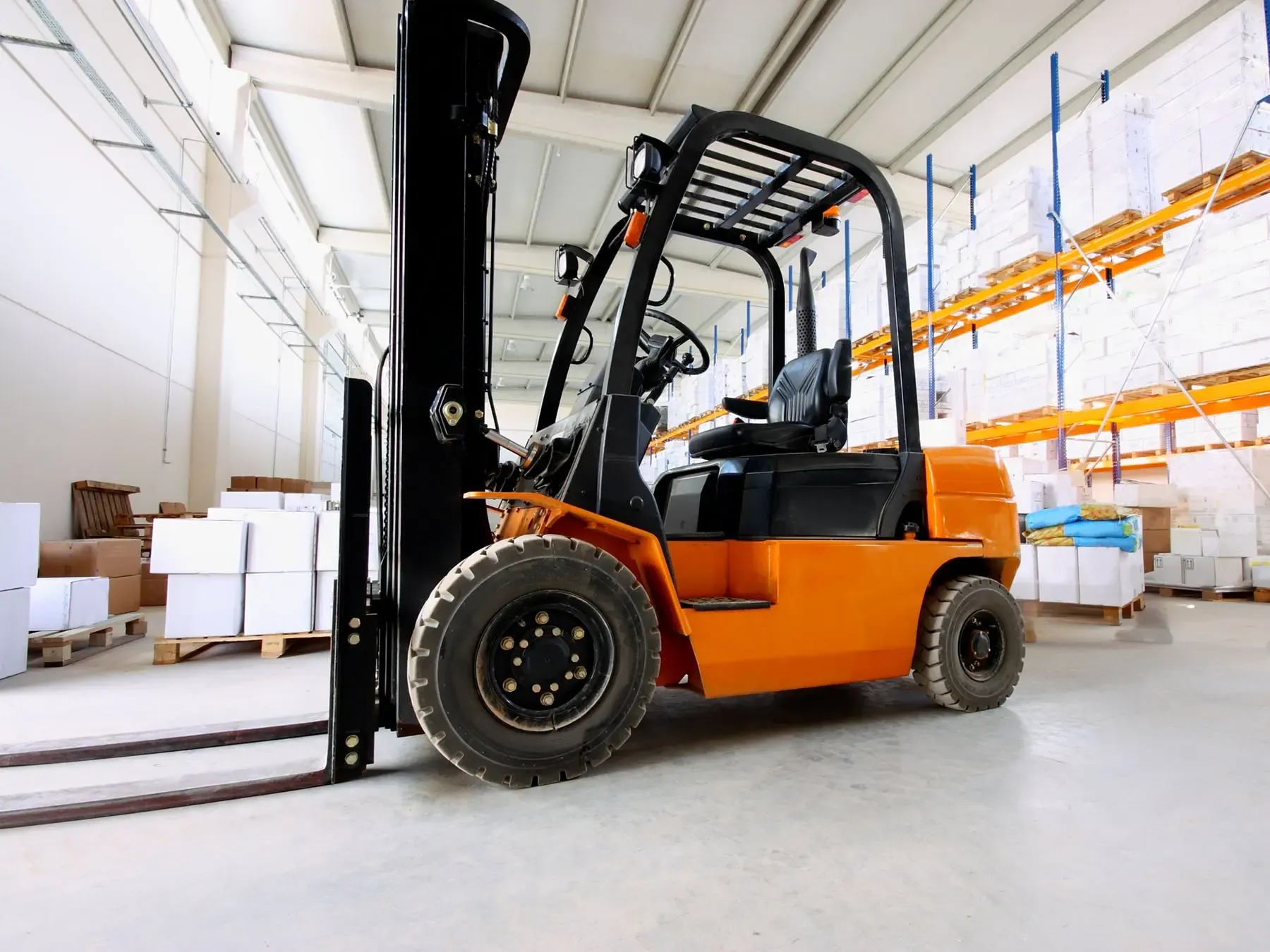
Forklift safety requirements are a critical part of industrial operations because forklifts are powerful machines that operate in busy and confined environments. Without proper safety measures, forklifts can cause serious injuries, fatalities, and costly damage to goods and infrastructure. Safety requirements are designed to protect operators, pedestrians, and employers by minimizing risks associated with lifting heavy loads and maneuvering in tight spaces. These rules also help businesses remain compliant with workplace safety regulations and insurance requirements. Understanding forklift safety is not just about following rules but about creating a safety-first culture. Proper forklift safety ultimately leads to improved productivity, reduced downtime, and a safer working environment.
Understanding the Importance of Forklift Safety
Forklift safety is essential because forklifts operate close to workers, shelving systems, and valuable inventory. A minor error, such as turning too sharply or lifting an unstable load, can quickly lead to serious accidents. Forklifts have a high center of gravity, making them prone to tipping if not operated correctly. Safety measures help operators understand machine limits and workplace hazards. By prioritizing forklift safety, businesses reduce injury risks and operational disruptions. A strong focus on safety also improves employee confidence and workplace morale.
Legal and Regulatory Safety Requirements
Forklift safety regulations exist to ensure that employers provide a safe working environment and that operators are competent. These laws outline minimum training standards, maintenance requirements, and safe operating procedures. Regulatory bodies enforce these rules through inspections and penalties for non-compliance. Following legal safety requirements helps businesses avoid fines, lawsuits, and operational shutdowns. Regulations also provide a standardized framework for forklift operation across industries. Compliance ensures that safety practices are consistent and effective.
Employer Responsibilities
Employers are legally responsible for ensuring forklifts are operated safely within their facilities. This includes providing certified training, maintaining equipment, and enforcing safety policies. Employers must also assess workplace hazards and implement controls to reduce risks. Regular safety audits and inspections help identify potential issues before accidents occur. Providing proper personal protective equipment is another key responsibility. When employers actively support safety, forklift-related incidents significantly decrease.
Operator Responsibilities
Forklift operators have a direct responsibility to operate equipment safely and responsibly. They must follow all training guidelines and workplace safety rules at all times. Operators should inspect forklifts before use and report any defects immediately. Unsafe behavior such as speeding, horseplay, or carrying passengers is strictly prohibited. Operators must stay alert to pedestrians and changing workplace conditions. Responsible operators play a vital role in maintaining a safe work environment.
Forklift Operator Training and Certification
Training and certification are the foundation of forklift safety. Operating a forklift without proper training increases the risk of accidents and equipment damage. Certified training ensures operators understand forklift mechanics, stability principles, and load handling techniques. It also teaches operators how to recognize hazards and respond to emergencies. Certification confirms that an operator has demonstrated competence. Well-trained operators contribute to smoother, safer, and more efficient operations.
Initial Training
Initial forklift training provides operators with essential knowledge before they are allowed to operate equipment. This training covers forklift controls, steering, braking, and load handling techniques. Operators also learn about workplace hazards and pedestrian safety. Practical training allows operators to practice under supervision. This reduces the likelihood of mistakes during real operations. Comprehensive initial training sets the standard for long-term safe behavior.
Certification and Authorization
Certification verifies that an operator has successfully completed training and demonstrated safe operation skills. Employers must officially authorize certified operators before allowing them to use forklifts. Authorization helps control who can operate equipment and prevents untrained individuals from using forklifts. Certification records also help employers meet regulatory requirements. Authorized operators are more confident and accountable. This system ensures only qualified individuals operate forklifts.
Refresher Training
Refresher training is necessary to reinforce safety practices and address new risks. Over time, operators may develop unsafe habits or forget important safety rules. Refresher training helps correct these behaviors. It is also required after accidents, near-misses, or changes in equipment or workplace layout. Regular refresher training keeps operators up to date. Continuous education strengthens overall forklift safety.
Pre-Operational Forklift Inspections
Pre-operational inspections are essential to ensure forklifts are safe to use before each shift. These inspections help identify mechanical issues that could cause accidents. Operators are responsible for conducting checks and reporting faults. A faulty forklift should never be used. Inspections also extend the lifespan of the equipment. Daily checks are a simple but powerful safety practice.
Visual Inspections
Visual inspections focus on identifying visible damage or wear on the forklift. Operators should check tires, forks, chains, and the overhead guard. Any cracks, leaks, or loose components must be reported. Seat belts and safety devices should also be inspected. Visual checks help catch problems early. Early detection prevents serious mechanical failures.
Operational Checks
Operational checks ensure that the forklift’s controls and systems function properly. Operators test brakes, steering, horn, lights, and hydraulic controls. Smooth lifting and lowering should be confirmed before use. Any unusual noises or delayed responses indicate a problem. Functional checks help prevent sudden breakdowns. These checks ensure the forklift performs safely during operation.
Workplace Safety Requirements
Forklift safety depends heavily on the condition of the workplace. Even a well-maintained forklift can be dangerous in a poorly organized environment. Proper layout, lighting, and signage are critical. Workplace safety requirements help minimize collisions and confusion. A safe environment supports efficient forklift movement. Good workplace design reduces accident risks.
Clear Pathways and Signage
Clear pathways allow forklifts to move safely without obstruction. Marked lanes separate forklifts from pedestrians, reducing collision risks. Warning signs alert workers to forklift traffic areas. Mirrors at blind corners improve visibility. Proper signage improves awareness and communication. Clear pathways are essential for smooth and safe operations.
Adequate Lighting
Adequate lighting ensures operators can clearly see loads, obstacles, and pedestrians. Poor lighting increases the likelihood of collisions and dropped loads. Well-lit areas improve reaction time and decision-making. Lighting is especially important in warehouses and loading docks. Proper illumination enhances overall safety. Good lighting supports efficient forklift operation.
Floor Conditions
Floor conditions directly affect forklift stability and control. Uneven, damaged, or slippery floors increase accident risks. Floors must be strong enough to support forklift weight and loads. Regular maintenance prevents hazards such as cracks and spills. Clean floors improve traction and maneuverability. Safe floor conditions are essential for forklift safety.
Safe Forklift Operating Practices
Safe operating practices guide operators on how to use forklifts responsibly. These practices reduce risks associated with speed, turning, and stopping. Consistent safe behavior prevents accidents. Operators must follow these practices at all times. Safety rules apply regardless of workload or time pressure. Discipline and awareness are key.
Speed Control
Speed control is crucial for preventing collisions and loss of control. Forklifts should be driven slowly in busy areas. Excessive speed reduces stopping distance and reaction time. Operators must adjust speed based on conditions. Controlled speed ensures stability and safety. Safe speed protects both operators and pedestrians.
Maintaining Stability
Maintaining stability prevents tip-overs and falling loads. Operators should keep loads low while traveling. Sudden turns and sharp braking should be avoided. Stability depends on smooth and controlled movements. Understanding forklift balance is essential. Stable operation reduces accident risks significantly.
Use of Seat Belts
Seat belts protect operators during tip-over incidents. They keep operators inside the protective frame of the forklift. Many serious injuries occur when operators are thrown from forklifts. Wearing seat belts is mandatory. Seat belts are a simple but effective safety measure. Consistent use saves lives.
Load Handling Safety Requirements
Load handling is one of the most dangerous aspects of forklift operation. Improper lifting can cause instability and dropped loads. Safety requirements help operators handle loads correctly. Proper load handling protects workers and inventory. Understanding load limits is essential. Safe load handling improves efficiency and safety.
Understanding Load Capacity
Every forklift has a maximum load capacity that must not be exceeded. Load capacity depends on weight, load center, and lift height. Overloading compromises stability and damages equipment. Operators must check load ratings before lifting. Respecting load limits prevents accidents. Load capacity awareness is critical.
Proper Load Placement
Loads must be placed evenly and centered on the forks. Uneven loads increase the risk of tipping. Loads should be secured to prevent shifting. Operators must ensure clear visibility when carrying loads. Proper placement improves control. Balanced loads are safer and easier to handle.
Lifting and Lowering Safely
Safe lifting requires smooth and controlled movements. Operators should lift loads straight up without tilting excessively. Lowering should be done slowly and carefully. Sudden movements can destabilize loads. Controlled handling protects both workers and equipment. Smooth operation is a key safety practice.
Pedestrian Safety Around Forklifts
Pedestrian safety is a major concern in forklift environments. Workers on foot are vulnerable to collisions. Safety measures help separate forklifts and pedestrians. Awareness and communication are essential. Both operators and pedestrians share responsibility. Clear rules reduce accidents.
Operator Responsibilities
Forklift operators must always remain alert to pedestrians. Sounding horns at intersections is essential. Operators must yield to pedestrians. Maintaining safe distances prevents collisions. Eye contact improves communication. Responsible operators protect everyone around them.
Pedestrian Awareness
Pedestrians must follow designated walkways and safety rules. They should avoid standing near moving forklifts. Walking under raised forks is extremely dangerous. Awareness of forklift movements is critical. Pedestrians must stay alert. Shared responsibility improves safety.
Forklift Safety on Ramps and Inclines
Operating forklifts on slopes increases the risk of tip-overs. Special rules apply to ramp operation. Proper technique ensures stability. Operators must remain cautious. Understanding incline safety is essential. Careful handling prevents accidents.
Driving on Inclines
Forklifts should always travel straight on ramps. Loads must face uphill to maintain balance. Turning on slopes should be avoided. Controlled speed is essential. Proper incline operation prevents rollovers. Safe ramp handling protects operators.
Parking on Slopes
Parking on slopes requires extra precautions. Forks must be lowered completely. Parking brakes should be engaged. Wheels should be blocked if necessary. Secure parking prevents unintended movement. Proper parking ensures safety when forklifts are not in use.
Fueling and Charging Safety Requirements
Fueling and charging forklifts present fire and chemical hazards. Safety procedures reduce these risks. Designated areas should be used. Proper PPE must be worn. Careful handling prevents accidents. Fuel safety is critical.
Electric Forklifts
Charging electric forklifts involves handling batteries and chemicals. Proper ventilation is necessary. Protective gear prevents exposure. Sparks and flames must be avoided. Safe charging protects workers. Battery safety is essential.
LPG and Diesel Forklifts
Fuel-powered forklifts require careful refueling. Engines must be turned off. Fuel leaks must be checked. Storage areas should be secure. Proper procedures prevent fires. Fuel safety protects facilities.
Maintenance and Servicing Safety
Maintenance ensures forklifts remain safe and reliable. Regular servicing prevents breakdowns. Professional inspections identify hidden issues. Maintenance improves performance. Well-maintained forklifts are safer. Preventive care is essential.
Scheduled Maintenance
Scheduled maintenance keeps forklifts in optimal condition. It includes inspections, lubrication, and part replacement. Maintenance reduces unexpected failures. Servicing extends equipment life. Consistent maintenance improves safety. Preventive care saves costs.
Reporting Defects
Operators must report defects immediately. Ignoring problems increases risks. Early reporting allows timely repairs. Defective forklifts should be removed from service. Communication is key. Reporting protects everyone.
Emergency Procedures and Accident Response
Emergency procedures prepare workers for unexpected incidents. Quick response minimizes harm. Clear protocols reduce confusion. Training improves reaction. Preparedness saves lives. Emergency planning is essential.
In Case of an Accident
Operators should stop operations immediately after an accident. The area must be secured. Supervisors should be notified. Injuries should be treated promptly. Documentation is important. Proper response limits damage.
Tip-Over Situations
Tip-overs are extremely dangerous. Operators should remain seated and restrained. Holding the steering wheel provides stability. Leaning away reduces injury risk. Jumping out is dangerous. Proper response saves lives.
Why Choosing the Right Forklift Supplier Matters
The quality of forklift equipment directly affects safety. Reliable suppliers provide compliant machines. Proper documentation ensures legal compliance. Supplier support improves maintenance. Good suppliers reduce risk. Equipment quality matters.
Why Choose FERAQuip for Safe Forklift Operations
FERAQuip is a trusted supplier known for safety-focused equipment solutions. Their forklifts meet international safety standards. Expert guidance helps businesses choose suitable models. Maintenance support ensures long-term reliability. Genuine parts improve safety. FERAQuip prioritizes workplace safety.
Conclusion
Forklift safety requirements protect workers, equipment, and businesses. Training, inspections, and proper operation reduce risks. Employers and operators must work together. Choosing reliable suppliers enhances safety. Consistent compliance prevents accidents. A safety-first approach ensures long-term success.
 leinteriordesignsg
  henrywalker
  ksanoorain