
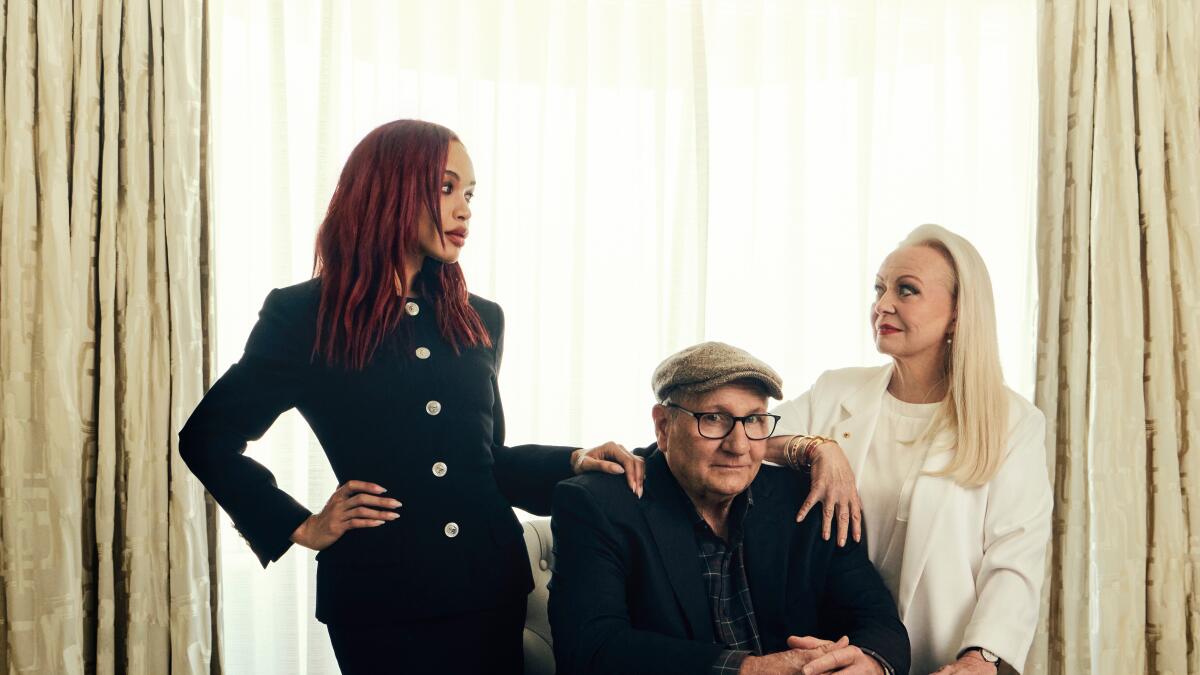
The FX limited series “Clipped” has sparked intense conversations about sports history, scandal, and the messy reality behind headlines. If you’ve been asking what is clipped about true story explained, this article breaks down the real events that inspired the show and how accurately it portrays one of basketball’s most infamous controversies.
Understanding the Premise of Clipped
“Clipped” tells the story of the 2014 scandal involving the Los Angeles Clippers and their then-owner Donald Sterling. The six-episode series examines power, racism, and consequences within professional sports. But to fully grasp what is clipped about true story explained, we need to look at the actual events that shocked the NBA and the world.
The Real Donald Sterling Scandal
In April 2014, audio recordings of Donald Sterling making racist comments were leaked to the public. The recordings featured Sterling, then 80 years old, speaking with V. Stiviano, a woman he had a relationship with outside his marriage.
What Did the Recordings Reveal?
The leaked audio captured Sterling making explicitly racist statements, including telling Stiviano not to bring Black people to Clippers games or post photos with them on social media. These comments were particularly shocking given that:
- The majority of NBA players are Black
- Sterling owned a team in a league built on Black excellence
- He profited enormously from Black athletes
Who Are the Main Players in This True Story?
Understanding what is clipped about true story explained requires knowing the key figures involved:
| Person | Role | Significance |
|---|---|---|
| Donald Sterling | Clippers Owner | Made the racist comments |
| V. Stiviano | Sterling’s Associate | Recorded and leaked the audio |
| Shelly Sterling | Donald’s Wife | Attempted to save the team |
| Doc Rivers | Clippers Coach | Led team through crisis |
| Adam Silver | NBA Commissioner | Banned Sterling from NBA |
The Timeline of Events
The scandal unfolded rapidly, creating one of the most dramatic periods in NBA history:
April 25, 2014 – TMZ publishes the first audio recordings
April 26, 2014 – NBA announces investigation
April 27, 2014 – Players protest before playoff games
April 29, 2014 – Adam Silver bans Sterling for life
May-June 2014 – Legal battle over team ownership begins
August 2014 – Steve Ballmer purchases team for $2 billion
This rapid progression explains why what is clipped about true story explained involves so many interconnected legal, sports, and personal dramas happening simultaneously.
V. Stiviano: The Woman Behind the Recording
V. Stiviano remains one of the most controversial figures in this story. Her relationship with Donald Sterling was complex and troubling, involving:
The Recording
Stiviano recorded multiple conversations with Sterling, though it remains unclear whether she directly leaked them to TMZ or if someone else accessed and released them. Her motivations have been debated extensively.
Legal Battles
After the scandal, Shelly Sterling sued Stiviano to recover gifts Donald had given her, including property and luxury items worth millions. Platforms like Just Ask Genie have covered how these legal battles added another layer to understanding what is clipped about true story explained.
The Players’ Response
The Clippers players were thrust into an impossible situation. They were competing in the NBA playoffs while dealing with the fact that their owner had expressed racist views about people who looked like them.
The Silent Protest
Before a playoff game, Clippers players staged a powerful silent protest. They wore their warmup jerseys inside-out to hide the Clippers logo, then left them at center court. This visual demonstration spoke volumes without words.
Doc Rivers’ Leadership
Coach Doc Rivers, one of the most respected figures in basketball, had to navigate keeping his team focused while processing his own feelings about Sterling’s comments. His leadership during this crisis became legendary in coaching circles.
Adam Silver’s Historic Decision
NBA Commissioner Adam Silver’s response to the Sterling scandal defined his early tenure. His decision to:
- Ban Sterling for life from the NBA
- Fine him $2.5 million (the maximum allowed)
- Force the sale of the Clippers
This represented the strongest action the NBA had ever taken against an owner. Understanding what is clipped about true story explained requires recognizing how unprecedented this punishment was.
The Legal Battle for Team Ownership
The Sterling family’s internal conflict became almost as dramatic as the original scandal:
Donald vs. Shelly Sterling
Shelly Sterling attempted to maintain some family control by negotiating the team’s sale to Steve Ballmer. Donald Sterling initially fought this, claiming he hadn’t agreed to sell and that he was being punished without due process.
The $2 Billion Sale
Former Microsoft CEO Steve Ballmer’s purchase of the team for $2 billion broke records. The price was dramatically higher than previous NBA team sales, partly because Sterling’s scandal created an urgent situation requiring quick resolution.
How Accurate Is Clipped?
When examining what is clipped about true story explained, accuracy matters. The series, created by Gina Welch, takes some creative liberties while staying true to documented events:
What’s Accurate:
- The basic timeline of events
- The content of Sterling’s recorded comments
- Major public responses from players and officials
- The legal outcomes
What’s Dramatized:
- Private conversations not documented publicly
- Internal thoughts and motivations of participants
- Some relationship dynamics
- Specific dialogue in private settings
Entertainment analysis from sources like Media Spank notes that this balance between fact and drama is typical for limited series based on recent true events.
The Casting and Performances
The show features impressive performances from:
- Ed O’Neill as Donald Sterling
- Jacki Weaver as Shelly Sterling
- Cleopatra Coleman as V. Stiviano
- Laurence Fishburne as Doc Rivers
These actors bring nuance to complex, real people whose actions sparked national conversations about racism, power, and accountability.
The Broader Context: Sterling’s History
What makes what is clipped about true story explained even more complicated is that the 2014 recordings weren’t Sterling’s first brush with controversy:
Previous Discrimination Allegations
Before 2014, Sterling had faced:
- Federal housing discrimination lawsuits
- Allegations of racist rental practices
- Claims of discriminatory treatment of employees
Many questioned why it took audio recordings to finally result in consequences when Sterling’s problematic behavior had been documented for years.
The Impact on the NBA
The Sterling scandal forced the NBA to confront uncomfortable truths about ownership, power structures, and accountability:
League Changes:
- Strengthened rules about owner conduct
- Increased scrutiny of ownership groups
- Greater awareness of diversity issues
- More robust processes for addressing misconduct
Cultural Significance
Understanding what is clipped about true story explained means recognizing its place in larger cultural conversations about:
- Cancel Culture – Was Sterling “canceled” or held accountable?
- Privacy vs. Accountability – Should secretly recorded conversations determine someone’s fate?
- Institutional Racism – What does it mean when someone profits from Black excellence while holding racist views?
- Power and Consequence – Do the wealthy face real consequences?
The Clippers’ Transformation
Post-Sterling, the Clippers have worked to rebuild their image:
- Steve Ballmer has been viewed as a positive, enthusiastic owner
- The team has increased community engagement
- They’ve worked to attract top talent
- Plans for a new arena separate from the Lakers’ Staples Center (now Crypto.com Arena)
Why This Story Still Matters
A decade later, what is clipped about true story explained remains relevant because:
Ongoing Conversations
The issues raised—racism in sports, accountability for the wealthy, the role of women in exposing misconduct—continue to be debated in various contexts.
Media Representation
The series adds to ongoing discussions about how we portray recent, controversial events in entertainment media.
Justice and Closure
Many involved parties, particularly the players who lived through it, still process the emotional impact of discovering their owner held such views.
Critical Reception of Clipped
Critics and audiences have had mixed reactions to the series. Some praise its willingness to tackle uncomfortable subject matter, while others question whether we need entertainment based on such recent, painful events.
Lessons from the Sterling Scandal
What can we learn from what is clipped about true story explained?
- Accountability can happen – Even powerful people can face consequences
- Actions have ripple effects – Sterling’s comments affected hundreds of people
- Silence enables – Years of rumors and allegations were ignored until audio emerged
- Leadership matters – Doc Rivers and Adam Silver’s responses shaped outcomes
The Human Cost
Beyond headlines and legal proceedings, real people were hurt by Sterling’s views and actions. Players described feelings of betrayal, anger, and disgust at realizing someone profiting from their talent held such contempt for them.
Conclusion
So, what is clipped about true story explained? It’s the story of how secretly recorded conversations exposed decades of alleged racist behavior by an NBA owner, leading to his forced removal and the league’s reckoning with power, accountability, and values.
The FX series captures this explosive moment in sports history, showing how private prejudices became public scandal and how an entire league was forced to confront uncomfortable truths. While some details are dramatized for television, the core story remains a powerful reminder about the real-world consequences of racism and the ongoing work needed to create truly equitable institutions.
Understanding this true story helps us recognize that progress often comes from uncomfortable moments of exposure and accountability. The Sterling scandal wasn’t just about one man’s racist comments—it was about an institution finally saying enough is enough and taking action that matched the severity of the offense.
 akappliancerepair
  startuplabs