
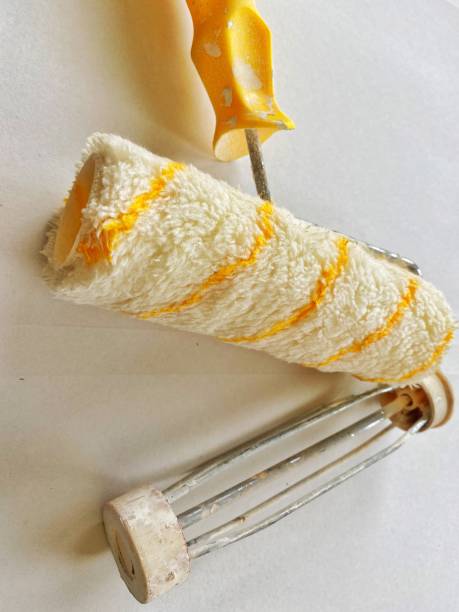
If there’s one thing painters figure out fast—usually the hard way—it’s that the roller cover you slap on your frame isn’t some minor detail. It’s the whole game. People love to blame the paint, or the wall, or the humidity… anything except the cheap roller sleeve they grabbed because it was “good enough.” It’s not. And that’s really where everything starts to go sideways. When you pick a better roller cover (like a decent paint roller refill 9 inch, which is kind of the workhorse size), you immediately shave time off the job and waste way less paint. But folks don’t realize that until after they’ve made a mess once or twice.
So let’s break this down. Plain, simple, real-world stuff. No lab-coat theory. Just what matters on the wall, under your hands, with the clock ticking.
Why the Roller Cover Material Matters More Than You Think
A roller cover isn’t just a fuzzy tube. That’s what it looks like, but the material—polyester, microfiber, foam, blends—decides everything. How much paint it holds. How evenly it releases. Whether it leaves weird chatter marks or those annoying lines you have to “feather out” until your shoulder feels like it’s going to pop.
Cheap sleeves shed lint, soak too much paint, or refuse to pick up enough. And then they drag. You know that feeling: the roller starts to feel dry even though you just dipped it, and you end up going back and forth like you’re trying to iron wrinkles out of a stubborn bedsheet. Total time-killer.
Quality sleeves do the opposite. They pick up a good load, roll smoothly, and actually place the paint where you want it—without forcing you to backtrack constantly. That’s half the time saved right there. Less babysitting. More rolling.
Nap Length: The Detail Most DIY Painters Ignore
Nap length sounds technical, but it’s really just the thickness of the roller fuzz. Short nap, long nap… each one has a job.
- ¼” or ⅜” nap for smooth walls
- ½” nap for surfaces that have a little texture
- ¾” and above for rough stuff like brick or uneven plaster
Most people grab whatever is on sale and then wonder why their living room wall ends up looking like a stucco experiment gone wrong. Too much nap, and the paint builds up in weird little mountains. Too little nap and you’re basically skating over the wall while the roller refuses to drop anything.
The right nap saves paint because it releases the right amount. No overload. No starving. Which means fewer dips in the tray and fewer seconds wasted shaking your head thinking, Why does this look so patchy?
The Difference a Good Core Makes
Nobody talks about the roller core. It’s like the forgotten middle child of painting. But low-quality cardboard cores swell when they get wet. They warp. They start slipping on the frame. Or worse, they spin unevenly and slap paint where you don’t want it.
A good cover has a solid phenolic core or a good plastic one that doesn’t go soft halfway through the job. That’s stability. And stability equals control. And control equals fewer touch-ups, fewer curse words, and a finish you don’t have to defend when someone tilts their head and squints at your wall.
Middle of the Job: Where Tools Quietly Make or Break You
This is where the real time savings show up—not at the beginning, not at cleanup, but right in the middle.
You know how painters often grab a chip paint brush to cut in quick corners or clean up messy roller edges? It’s great for tiny fixes. But when you’re using the wrong roller cover, you end up grabbing that chip brush ten times more than you should. Fix a drip. Fix a streak. Fix a fat line that formed because your roller sleeve decided to clump paint on one edge. Over and over. Death by a thousand touch-ups.
The right roller cover practically eliminates that nonsense. Your edges stay cleaner, the paint lays flatter, and your focus stays on moving forward—not bouncing between tools trying to undo mistakes your roller caused.
Hold More Paint, Work Less, Finish Faster
A good roller cover—especially microfiber—acts like a reservoir. Not a sponge. A reservoir. It grabs paint, holds it evenly, and releases it steadily. That’s why pros love them. You get more surface area covered per dip, and the finish looks smoother even before it fully dries.
You aren’t dragging. You aren’t squeezing the roller like it’s a stress ball because the sleeve is too tight or too cheap. You’re just rolling, reloading, rolling, reloading. Rhythm. Flow. You finish quicker without even trying to go fast.
People assume good tools help you paint “better.” Sure. But the real win is that they make painting less annoying. Less repetitive. Less exhausting. Paint is expensive. Time is more expensive. A few bucks extra on the right roller sleeve pays for itself, probably before you finish the first wall.
Durability: Reusable vs. “Throw It Out and Pretend It Never Happened”
You can absolutely clean and reuse a high-quality roller cover. Many times, actually. They don’t mat up immediately. They don’t develop those weird crunchy spots after one rinse. They don’t turn into fuzzy marshmallows that look like they’ve been through emotional trauma.
Cheap rollers? One-and-done. And they start “dying” halfway through the job. The lint comes loose, the nap collapses, or the paint starts drying in the fibers faster than you can wash it out later.
A good roller cover saves money not just during the job, but after. You wash it, spin it dry, and it’s ready again. That’s paint saved, time saved, and fewer hardware store runs when you’re already sweaty and irritated.
Choosing the Right 9-Inch Sleeve for Everyday Jobs
The 9-inch roller is the default for a reason. It covers well without being awkward, it fits most trays, and you can still control it with one hand if you’re up on a ladder. When you pair it with the right material and nap, it’s basically the perfect middle-ground tool.
A paint roller refill 9 inch in microfiber or a good woven polyester, works for pretty much every interior job. Smooth, balanced, reliable. Not flashy. Not complicated. Just right.
Conclusion: Stop Fighting Your Tools
Painting can be satisfying. Even fun sometimes. But only when your tools aren’t sabotaging you. The roller cover is one of those things people treat as disposable, like it doesn’t matter. It does. It matters a lot more than most folks want to admit.
Invest in a better roller cover—something built with the right nap, a solid core, and real material quality—and you immediately save time, save paint, save frustration. And honestly, you get a finish that looks like you knew what you were doing, even if you’re “winging it” as most of us do on home projects.
Good tools don’t brag. They just work. And when the roller cover works, you don’t have to work nearly as hard.
 akappliancerepair