
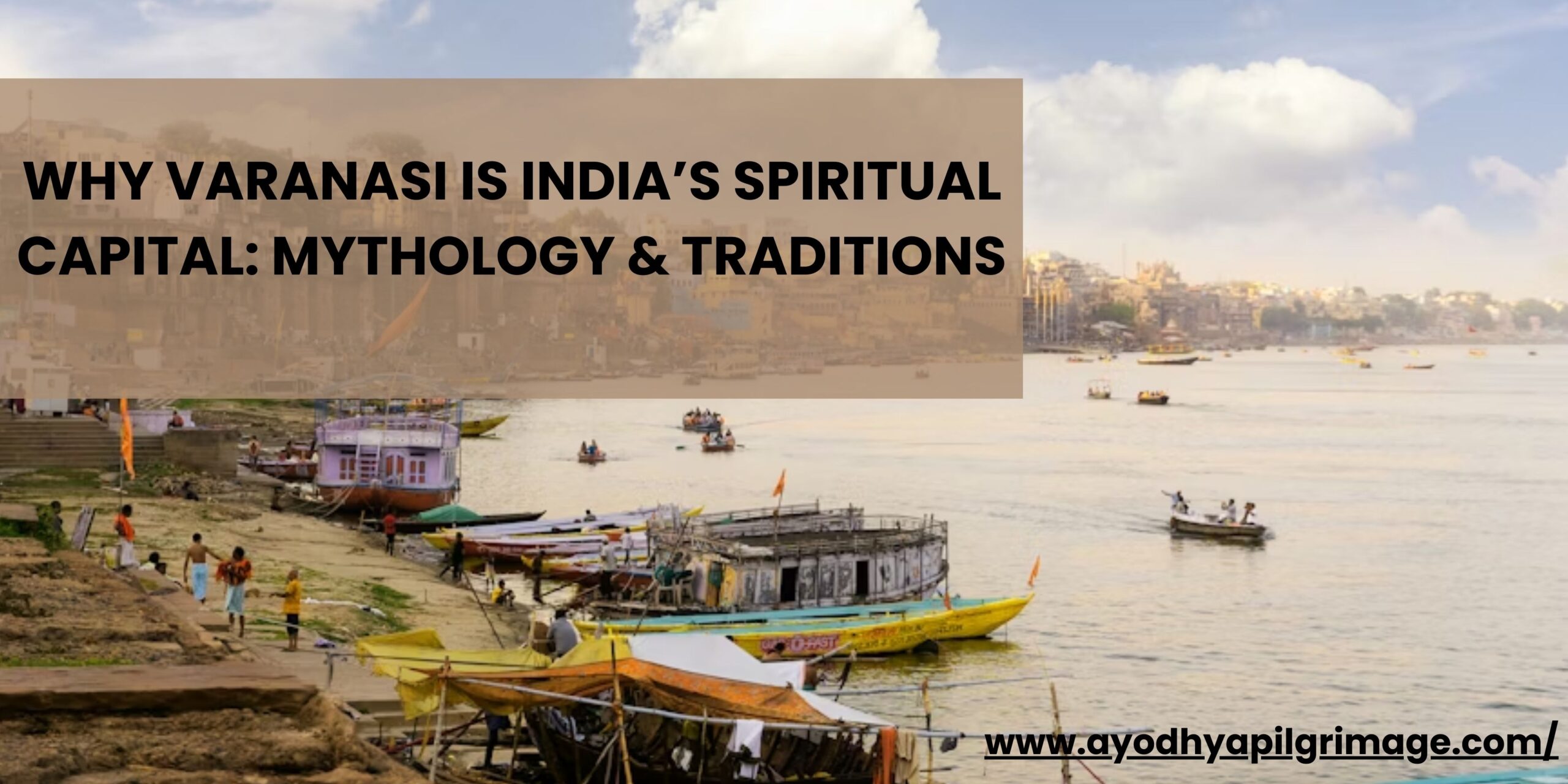
Varanasi—also known as Kashi or Banaras—is often called India’s Spiritual Capital, and for good reason. This ancient city is a place where history, mythology, rituals, and divine energy come together in a way unmatched anywhere else in the world. It is believed to be one of the oldest continuously inhabited cities on Earth, with its origins stretching back thousands of years. For travelers seeking cultural immersion, spiritual awakening, or a deep dive into India’s sacred heritage, a Varanasi tour package offers a truly transformative experience.
In this article, we explore why Varanasi earns the title of India’s spiritual heart through its mythology, its rituals, and the traditions that continue to shape life on the ghats even today.
The Mythological Roots of Kashi
Varanasi is deeply woven into Hindu mythology. It is believed that Lord Shiva, the destroyer and transformer in the Hindu Trinity, founded the city. According to ancient scriptures, Kashi is not just a geographical place but a divine realm where Shiva resides eternally. The city’s spiritual importance comes from the belief that it exists between two worlds—where the physical mingles with the divine.
The City Created by Shiva
Legend says that when the world was being formed, Lord Shiva chose Varanasi as his favorite abode. This is why the city is also called “Mahashamshana,” the great cremation ground, as it represents the cycle of creation and dissolution. Many believe that dying in Varanasi grants moksha—freedom from the cycle of birth and death—because Shiva whispers the taraka mantra (liberating chant) to the souls of those who pass away here.
The Sacred Ganga
The River Ganges, considered the holiest river in Hinduism, flows through Varanasi. Mythology states that the Ganga descended from heaven to Earth to cleanse the sins of humanity, and Varanasi became her spiritual home. Every ritual performed on its banks holds immense spiritual significance, symbolizing purification, renewal, and divine blessings.
The Ghats: Where Life Meets Eternity
Varanasi’s ghats—over 80 in total—are the living soul of the city. These riverfront steps leading down to the Ganga reflect centuries of traditions, devotion, and cultural heritage.
Dashashwamedh Ghat: The Heartbeat of the City
This is one of the most vibrant ghats, known for the grand Ganga Aarti performed every evening. Priests dressed in saffron robes perform the ritual with synchronized movements using lamps, incense, and chants. Watching the Aarti is a magical experience that leaves every visitor spellbound.
Manikarnika Ghat: The Gateway to Liberation
This ghat is known as the main cremation site of Varanasi. The eternal flames burning here symbolize the cycle of life and death. For centuries, families have brought their loved ones here with the belief that cremation in Varanasi ensures eternal peace and liberation.
Assi Ghat: The Cultural Hub
Assi Ghat blends tradition with modernity. It is popular for yoga sessions, live classical music performances, and peaceful boat rides. The ghat captures the spiritual yet artistic side of Varanasi.

Temples: Guardians of Varanasi’s Spiritual Legacy
Varanasi is home to thousands of temples, each with its own divine aura and historical significance.
Kashi Vishwanath Temple
The most revered of all, the Kashi Vishwanath Temple is dedicated to Lord Shiva. The golden spire, the bustling lanes surrounding it, and the devotion of pilgrims create an atmosphere charged with spiritual intensity. Visiting this temple is considered equivalent to achieving spiritual fulfillment.
Sankat Mochan Hanuman Temple
This temple is associated with immense faith and devotion. It is believed that prayers offered here help devotees overcome difficulties and obstacles. The vibration of chants and the continuous flow of devotees reflect the living traditions of the city.
Other Sacred Shrines
Durga Temple, Tulsi Manas Temple, and Annapurna Temple enrich the cultural fabric of Varanasi. Together, they tell stories of devotion, mythology, and centuries-old faith.
Rituals and Traditions That Define Varanasi
Daily Rituals on the Ghats
From sunrise to sunset, the ghats are alive with rituals—bathing ceremonies, prayers, offerings, yoga sessions, meditation, and cremation rites. Every moment reflects humanity’s connection to the divine.
Boat Rides on the Ganga
A sunrise boat ride is often considered the best way to witness Varanasi’s spiritual pulse. As the first rays of sunlight illuminate the ghats, you see priests offering prayers, devotees bathing, and the city slowly waking up.
Festivals & Celebrations
Varanasi hosts numerous festivals such as Dev Deepawali, Mahashivratri, Ganga Mahotsav, and Holi. During Dev Deepawali, millions of earthen lamps illuminate the ghats, transforming the riverfront into a celestial sight.
Why Varanasi Is Truly India’s Spiritual Capital
Varanasi is not merely a destination—it is an emotion, a timeless journey, and a sacred experience. Here, spirituality is not confined to temples or rituals; it flows in the air, in the river, and in the everyday life of its people. The city embodies India’s ancient wisdom, cultural richness, and spiritual depth.
For travelers, a visit to Varanasi becomes a life-changing experience. Whether you’re seeking peace, cultural insight, or spiritual awakening, a well-planned Varanasi tour package and any other tourism in Ayodhya , we allows you to explore the city’s soul at a comfortable pace.
Conclusion
With its profound mythology, enduring traditions, sacred ghats, and spiritual energy, Varanasi rightfully stands as India’s Spiritual Capital. It is a place where the ancient meets the eternal, where every moment feels blessed, and where the soul finds answers beyond words. A journey to Varanasi is more than travel—it is a pilgrimage into the heart of India’s spiritual heritage.
 aliwriter
  henrywalker